"French Quarter Walking Tour & Lunch" Hosted by the Institute of Classical Architecture & Art - Louisiana Chapter

As a Proud Board Member and Programs Chairwoman of
INSTITUTE OF CLASSICAL ARCHITECTURE & ART - LOUISIANA CHAPTER
Join me and my colleagues on a
”FRENCH QUARTER WALKING TOUR & LUNCH”
Celebrating the Inaugural
“A. Hays Town Awards 2023”
Winners will be recognized at an awards ceremony on June 17, 2023
at Latrobe's on Royal, 403 Royal Street, New Orleans, LA 70130
Tickets are available at https://www.eventbrite.com/e/a-hays-town-awards-ceremony-tickets-590124096057
BEFORE THE CEREMONY BEGINS AT 6PM,
JOIN US FOR A MORNING TOUR OF
FOUR PRIVATE CLASSICAL BUILDINGS IN THE FRENCH QUARTER AND ENDING WITH A SUMPTUOUS LUNCH OVERLOOKING JACKSON SQUARE
CATERED BY PIGEON CATERERS.
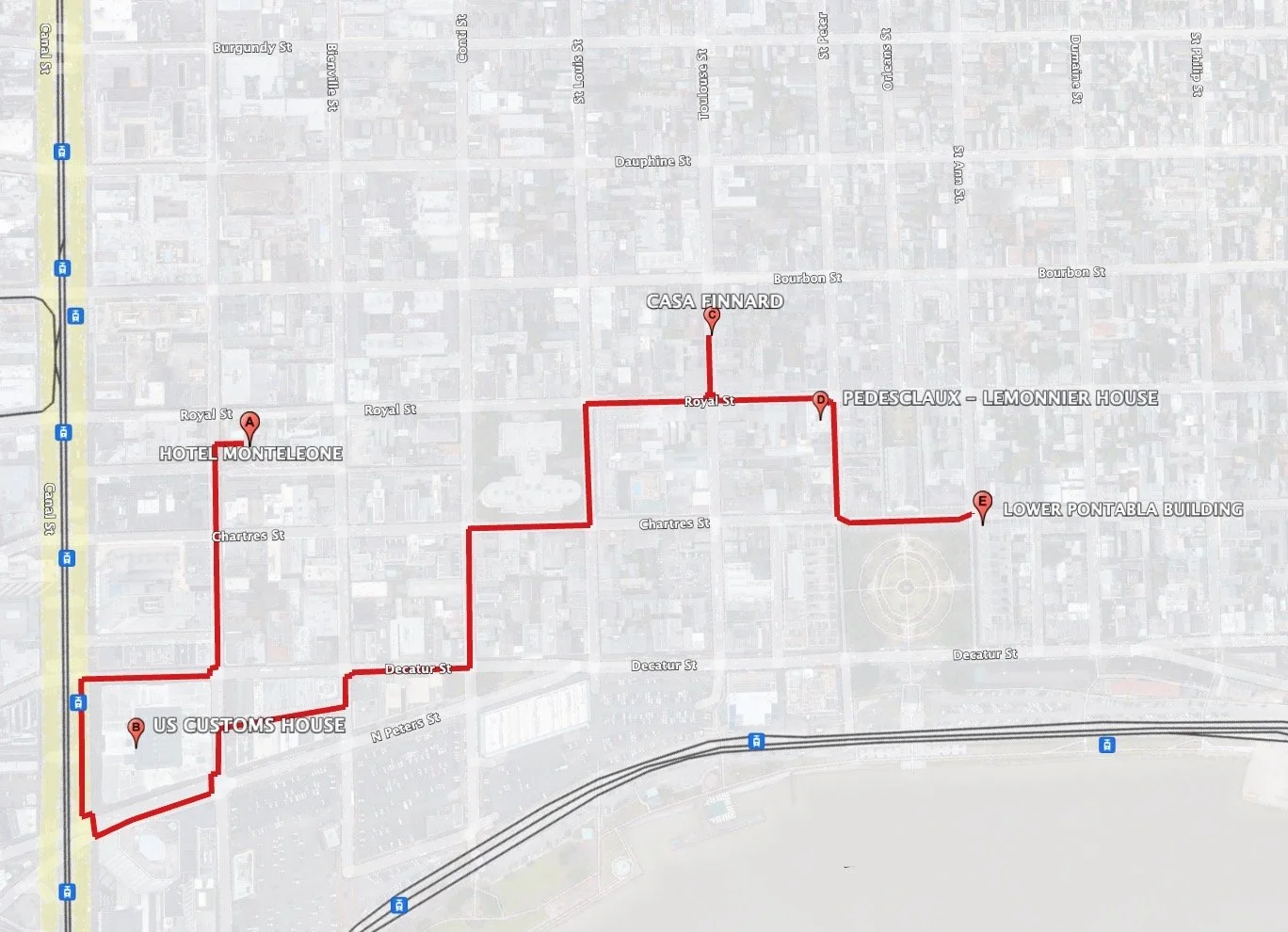
In honor of the First Annual A. Hays Town Awards the Institute of Classical Architecture and Art, Louisiana Chapter is hosting a walking tour of four classical French Quarter buildings, followed by a sumptuous buffet lunch on a balcony overlooking historic Jackson Square. At every stop, we will be guided by experts in the architecture and history of the building!
ITINERARY
8:45am Meet in the lobby of Monteleone Hotel, 214 Royal Street
9:00am Walking tour leaves hotel.
9:15am US Custom House/The Magnificent Marble Hall, 423 Canal Street
10:15am Casa Finard, 723 Toulouse Street
11:00am The Pedesclaux-LeMonnier House, 640 Royal Street
12:00pm Lower Pontalba Apartment, 539 St. Ann Street. Sumptuous buffet lunch will be served.
Pigéon Caterers will be providing our SUMPTUOUS BUFFET LUNCH at the Lower Pontalba apartment! Lunch Menu will include the following food items (crisp wine and drinks will be included as well):
Mini Muffalettas
Cheese Board
Gulf Shrimp
Deviled Eggs
Gruyere Bacon Tartlet
Duck Quesadillas
Lemon Square
REGISTRATION COST
This special event is open to ICAA members for: $155
To become a member, simply register yourself on our website: https://www.classicist-la.org/join/
PRINT OFF THE TOUR PACKET
https://acrobat.adobe.com/link/review?uri=urn:aaid:scds:US:d80ae170-6fec-3bbc-9c07-940e4ff2d58f
Our fabulous French Quarter tour of four classical buildings will end at the historic Pontlaba Building for a lunch served overlooking Jackson Square.
GENERAL MEMBERSHIP INCLUDES STUDENT & YOUN PROFESSIONAL, INDIVIDUAL, AND COMPANIES!
Designers, architects, fine art enthusiasts, professionals, non-professionals and the general public are invited to join the ICAA-LA General Member Program. Members of the general program choose a level of membership that suits their personal needs.
When you go to the page, click the button on each membership category to visit our National’s secure site to learn the specific benefits of joining, renew your membership, enroll as a new member, or purchase a gift membership. There is also a chart at the bottom of the page with list of benefits for each category.
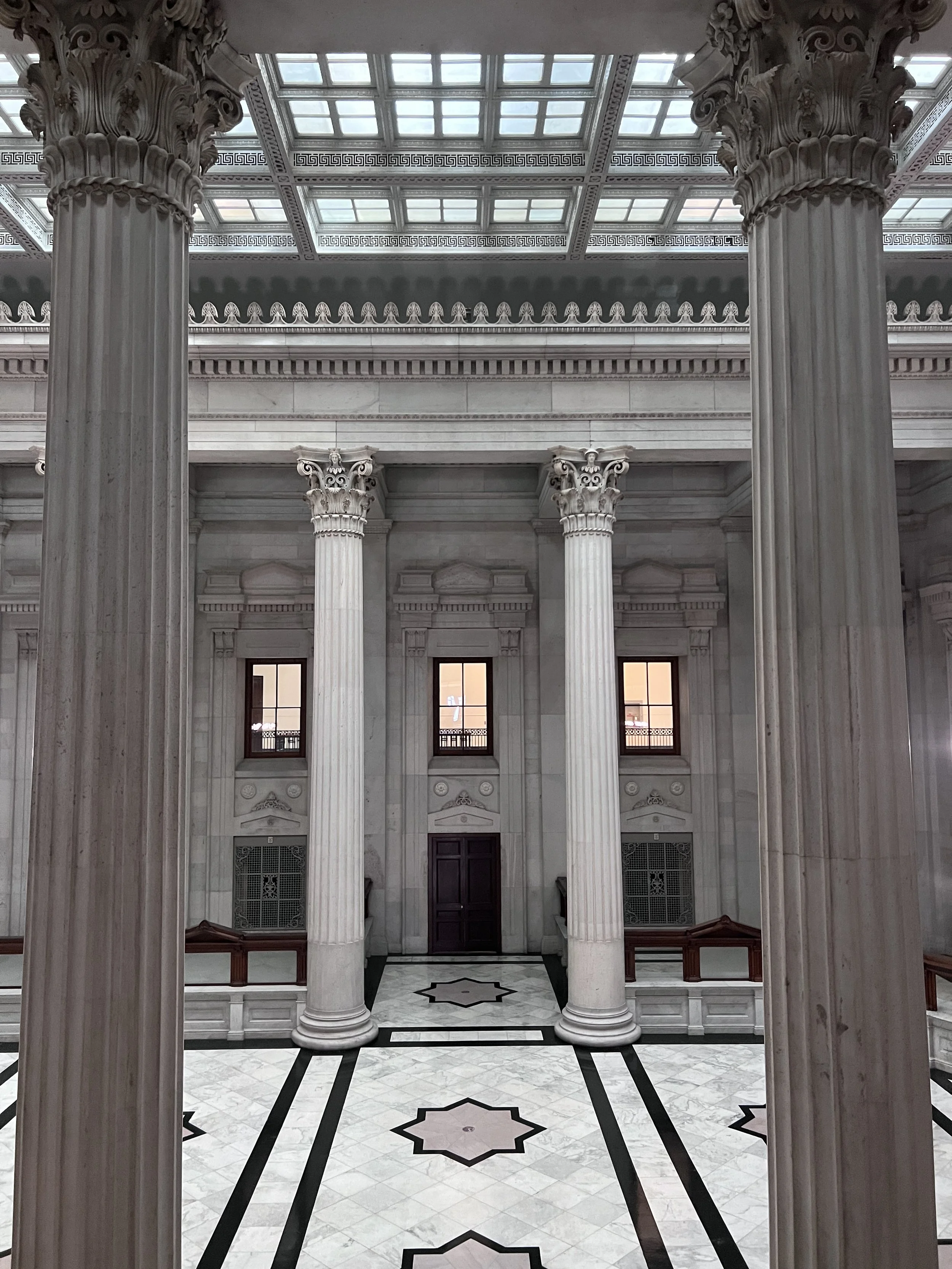
THE MARVELOUS MARBLE HALL OF THE U.S. CUSTOM HOUSE
The U.S. Custom House in New Orleans is one of the oldest and most important federal buildings in the southern United States and one of the major works of architecture commissioned by the federal government in the nineteenth century. This monumental granite building was begun in 1848 and built over a period of 33 years. The magnificent Marble Hall in the center of the building is one of the finest Greek Revival interiors in the United States with Egyptian Revival details.
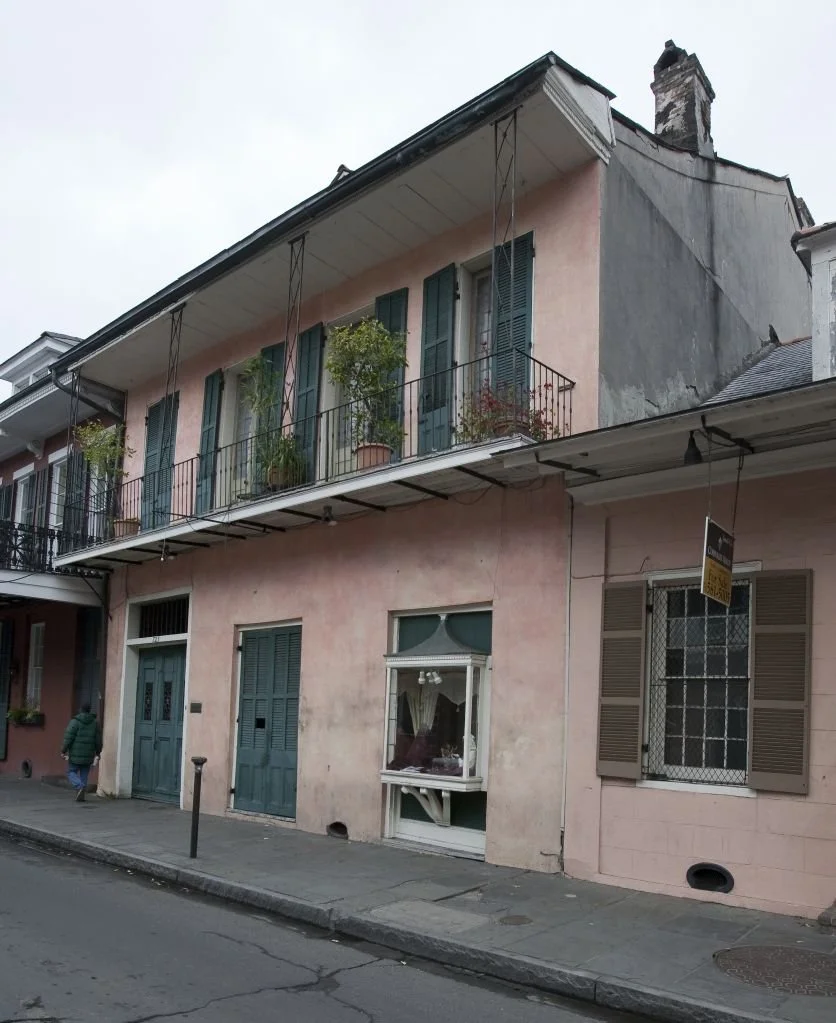
CASA FINNARD
Built in 1808 by architect-builder Hilaire Boutté for Valery Nicholas, this 2-story masonry building served as a gunsmith shop with residence above. It was acquired in 1939 by Mrs. Alvin Hovey-King, one of the pioneers in the preservation of the Quarter.
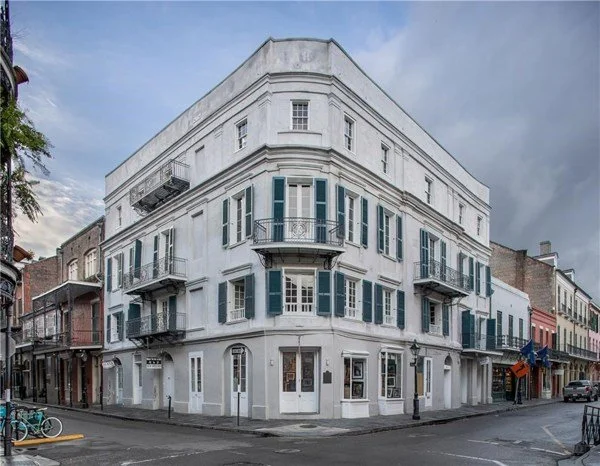
PEDESCLAUX-LE MONNIER HOUSE
The Pedesclaux-Le Monnier House is one of the most important landmarks from New Orleans’s Spanish Colonial period. Constructed soon after the fire of 1794, probably according to the designs of French architect Barthelemy Lafon, the building was completed in 1811 by the noted local architects Latour and Laclotte. Originally a 3-story entresol structure, this townhouse incorporates characteristics of 18th c. building traditions, such as bold stucco moldings, a horizontal emphasis balanced by strong pilaster treatment, curvilinear walls and a clear, ordered treatment of bays and openings. Although the upper level openings are original, the ground floor openings were altered first c. 1850 and then in the 20th century.

LOWER PONTALBA BUILDING
The row houses were built by Micaela Almonester, Baroness de Pontalba in 1849-1851. In those days a family rented three floors for living quarters, subleasing the ground floor as a store or shop. The second floor became the dining, living, and occasionally, library rooms. On the third floor were the bedrooms. The ground floor wing housed the kitchen and smokehouse, and the laundry. The second and third floor wings were bedrooms for household slaves or boys of the family. These apartments were first leased at public auction in February of 1851, when the lessees paid a premium of $95 to $325 to become tenants. The rooms were furnished in French and American Empire Style as well as by New Orleans cabinet makers working in the style of Louis Phillippe of France, rather than that of Victoria of England. Drapes with their lambrequins or valances, overhangings, and loopings were arranged in a manner dictated by fashion plates from Paris. There were many French, Creole, and American artists working in New Orleans during that period, and excellent Victorian and Primitive oils hung in the apartments. Today, he lower Pontalba Building is owned by the State of Louisiana and leased to the public for residental and commercial spaces.
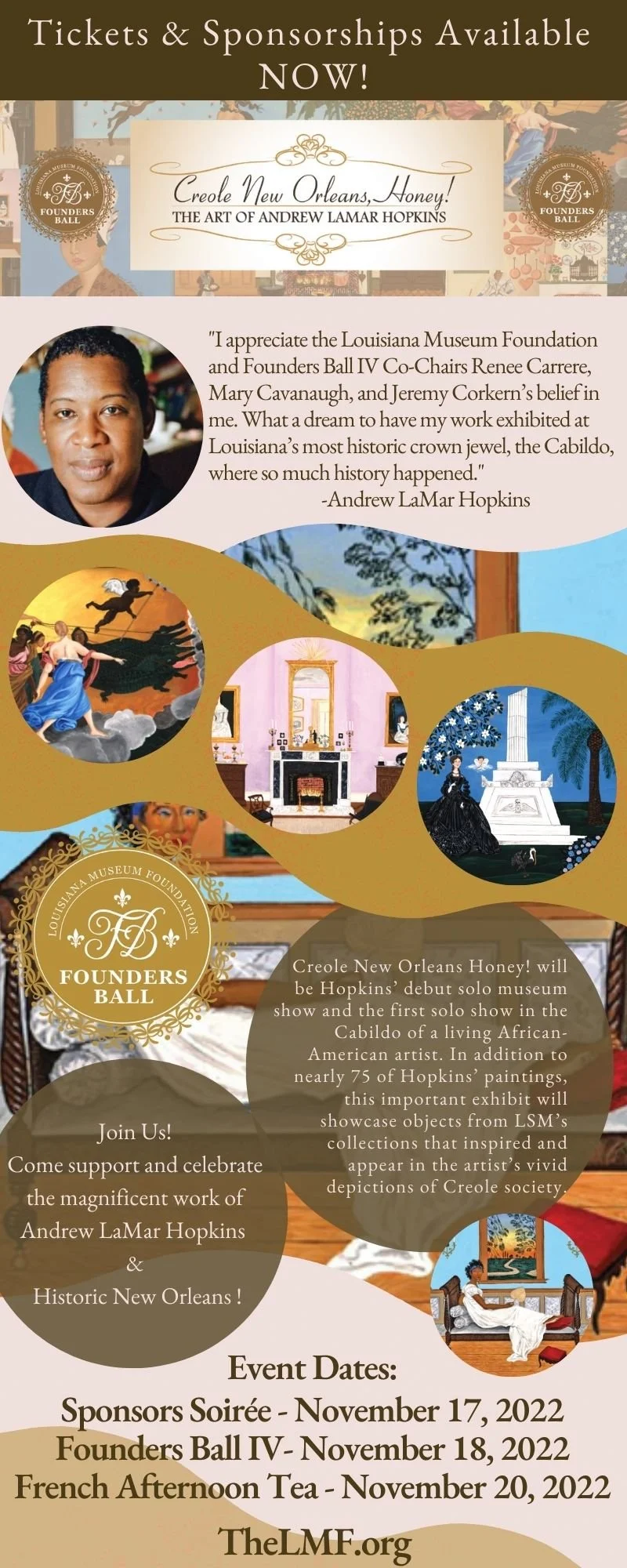
Founder's Ball IV: "Creole New Orleans, Honey! The Art of Andrew LaMar Hopkins"
FOUNDER’S BALL IV
Celebrating the Grand Gala Opening of
“Creole New Orleans, Honey! The Art of Andrew LaMar Hopkins!”
An Exhibition of the Louisiana State Museum
Friday, November 18, 2022 at The Cabildo in Jackson Square
Tickets are available at https://www.thelmf.org/fbiv
BALL ATTIRE: FRENCH EMPIRE/REGENCY ERA COSTUME OR MODERN BLACK TIE/ BALL GOWN

The Louisiana State Museum and the Louisiana Museum Foundation are honored to present Andrew LaMar Hopkins’ first solo museum exhibition and the first solo show in the Cabildo of a living African-American artist. A Mobile native and longtime New Orleans resident, Hopkins is a self-taught artist who brings nineteenth-century New Orleans Creole culture to life with his stunningly detailed and colorful paintings. An antiquarian, collector, and southern history enthusiast, Hopkins draws inspiration from his Creole heritage and in-depth knowledge of antiques, evident in his elegantly painted scenes that showcase the period’s lavish architecture and interior styles.
Hopkins has been profiled by The New York Times and Wall Street Journal. His work has also been featured in numerous major publications and gallery shows. Creole New Orleans Honey! tells the important and timely story of Creole identity in New Orleans. Capacity is limited in the historic Cabildo, so purchase tickets soon!
Learn more about the exhibit here.
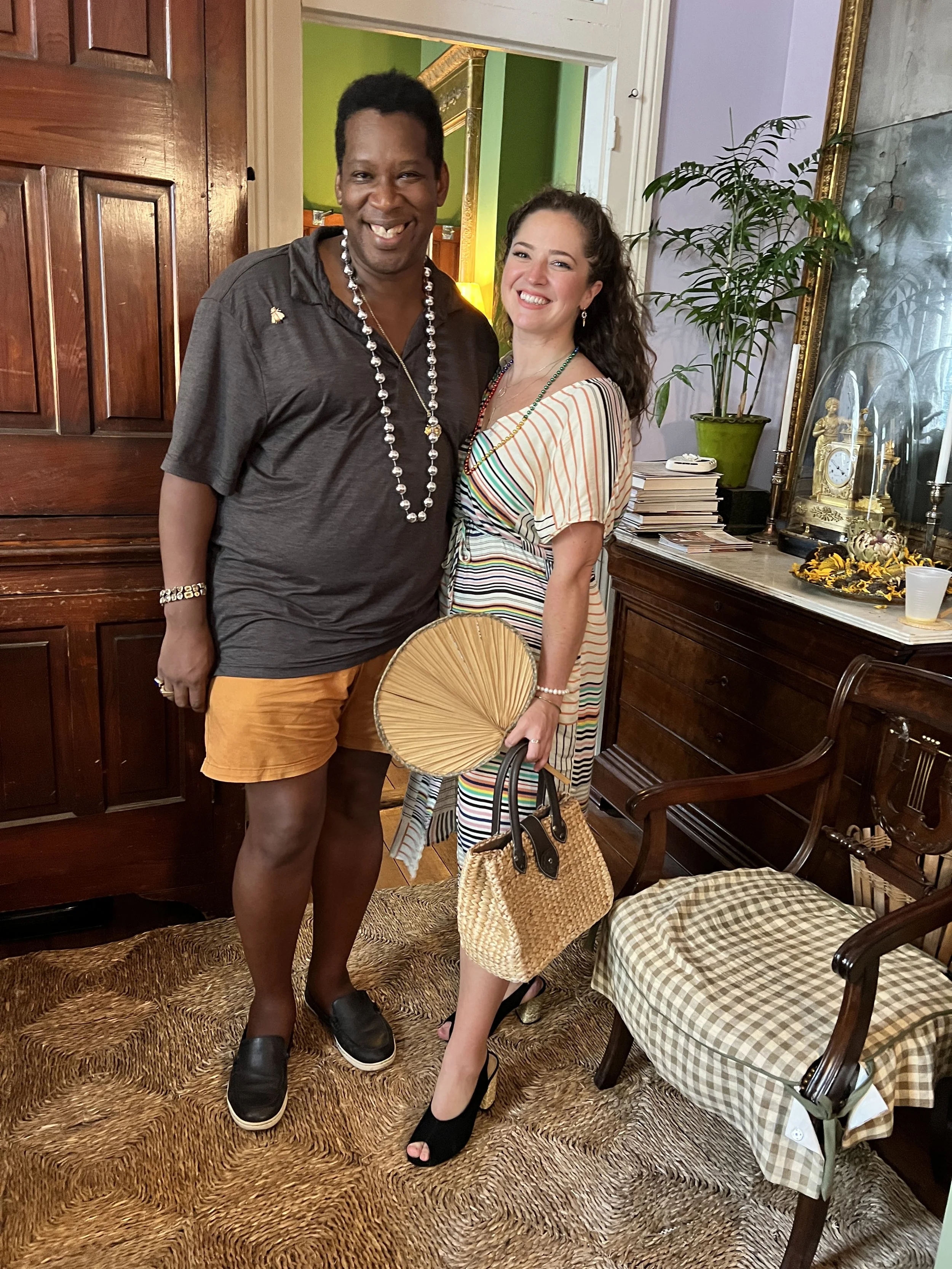
I ADORE ANDREW LAMAR HOPKINS!
Andrew Hopkins and I met in 2017 through the historic preservation and antiques networks. At the time, Andrew was an up-and-coming artist, popular among his friends, and a special sector of art collectors nationally. Over the next few years, I watched Andrew’s art blossom into the galleries around the world, and private collections internationally. I purchased two of Andrew’s pieces over the course of my friendship with him. Being a French and Spanish Creole myself, I highly connected with Andrew’s exposé of the culture (although my Creole heritage was Acadian). It has been a joy to connect Andrew with my network of colleagues and friends, who have embraced him, and value his contribution to the art world.
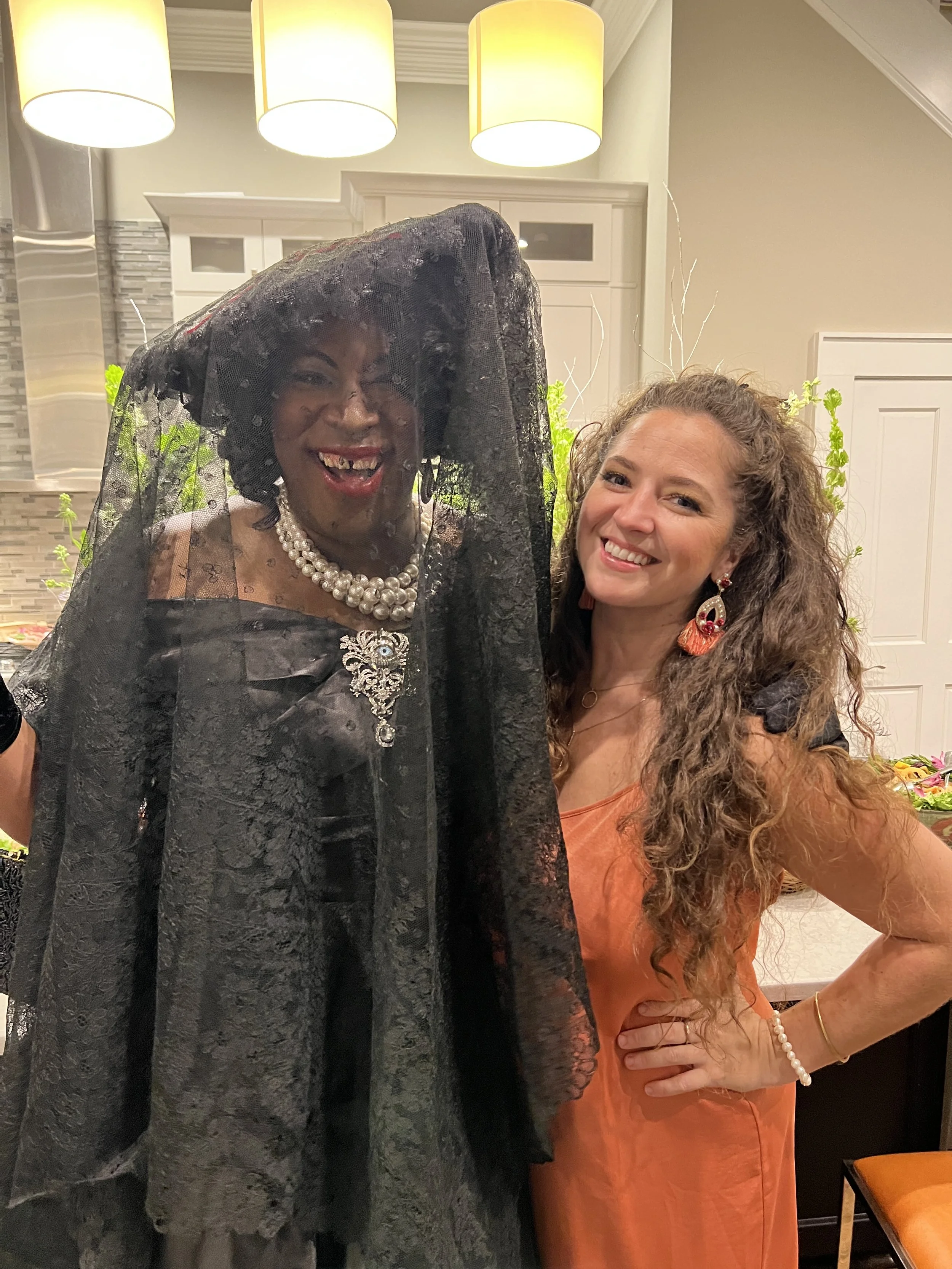
DÉSIRÉE JOSÉPHINE DUPLANTIER!
Andrew LaMar Hopkins also expresses his artistic talent as Desiree Josephine Duplantier, a tasteful stylish 1950s Creole lady. The study of Creole culture and fashion through his art is also channeled through Desiree’s dress, accessories, and demeanor.
I am a proud committee member of the Exhibition and Gala, and cannot wait to dress up at the Ball in Regency Period attire! Andrew’s drag queen persona “Desiree” will be at the Gala.
ENTERTAINMENT BY VIRTUOSA QUARTET
Join “Desiree” and I at the Founder’s Ball IV on Friday, November 18, 2022!
Tickets are available at https://www.thelmf.org/fbiv
BALL ATTIRE: FRENCH EMPIRE/REGENCY ERA COSTUME OR MODERN BLACK TIE/ BALL GOWN
Que Porter Pour Le Bal?
Unsure of what to wear to the Founders Ball? Click the link above for a presentation of Empire Style/Regency Era costume suggestions and ideas!

"Spiritual Influence of Classical Architecture & Art in Grand Coteau"

I proudly served as the Chair for the Programs Committee of the ICAA-LA! For our Spring 2022 Foray, we organized a tour of classically inspired buildings in Grand Coteau, with special private tours of local historic architecture.
Hosted by the Institute of Classical Architecture & Art - Louisiana Chapter for our Spring 2022 Foray, the "Spiritual Influence of Classical Architecture & Art in Grand Coteau" was held with great attendance and enthusiasm on Saturday, April 9, 2022 in Grand Coteau and Arnaudville, Louisiana. Throughout the day we visited classically-inspired buildings such as the St. Borromeo Catholic Church, St. Charles College, the Academy of Sacred Heart and private historic homes.
Once here, the quaintness of this place, its atmosphere of serenity and even divinity, thoroughly enchanted us, and educated us on this highly significant place in Louisiana for over 175 years. We have prepared two Jesuit priests and several scholars to give primary source tours and lectures at over a half dozen locations. These orations provided history of the people, architecture, renovations, and artistic development of the St. Borromeo Catholic Church, St. Charles College, the Academy of Sacred Heart, Robin Plantation and Stéphanie Plantation.
Our event was an approved course for 6 AIA CES Learning Units|Elective!
Thank you to our Major Sponsor: HUB City Ford!
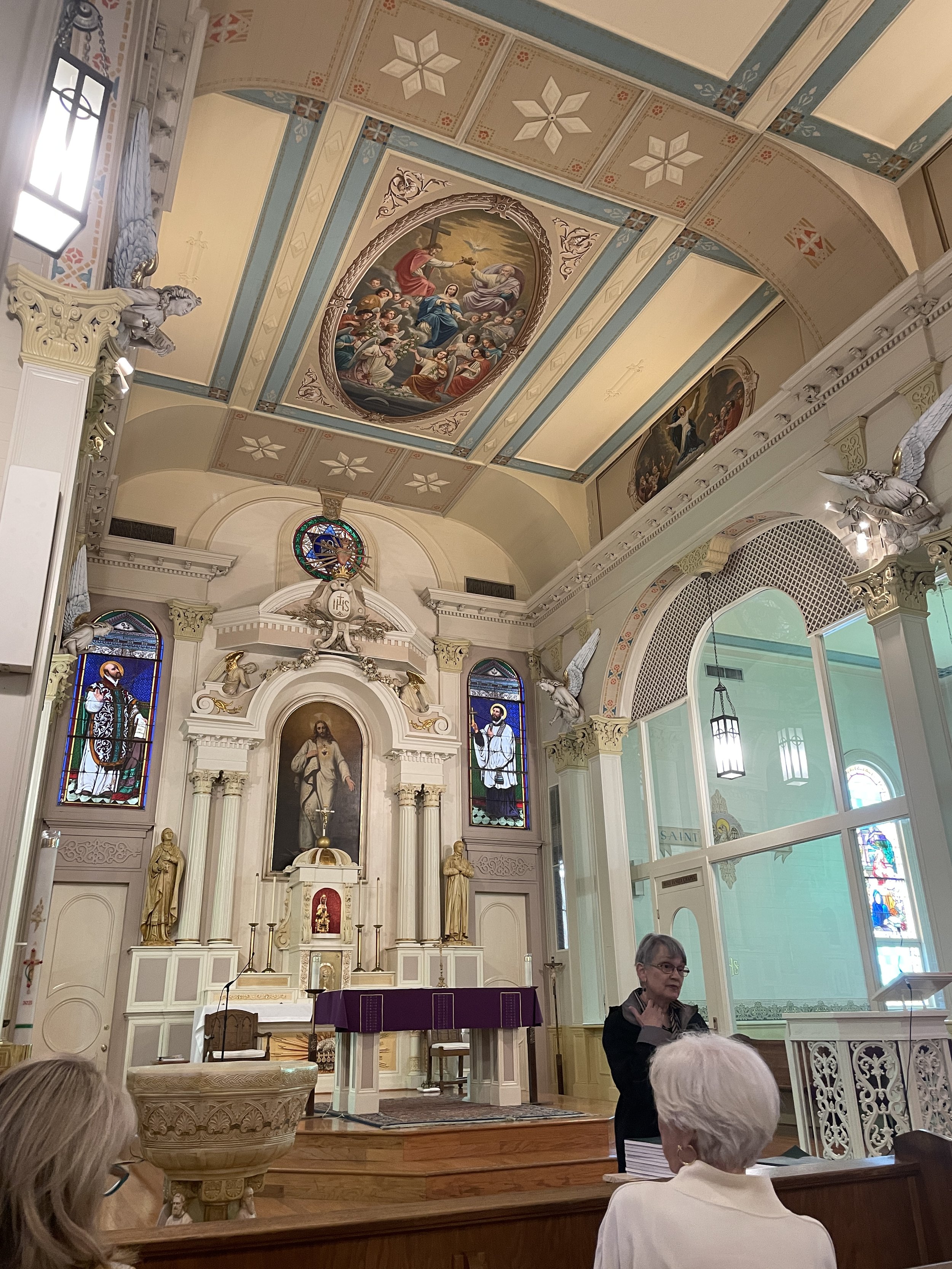
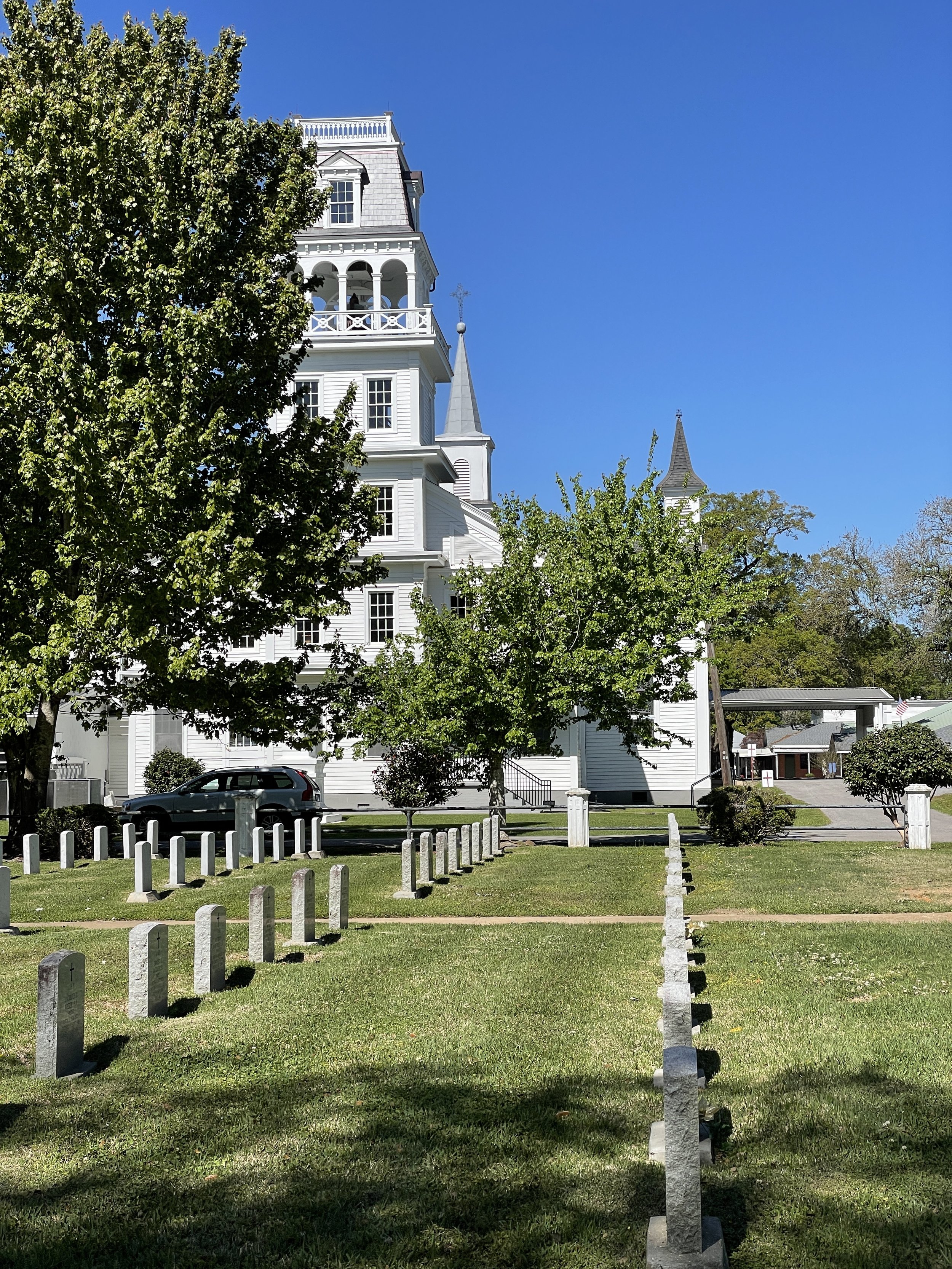
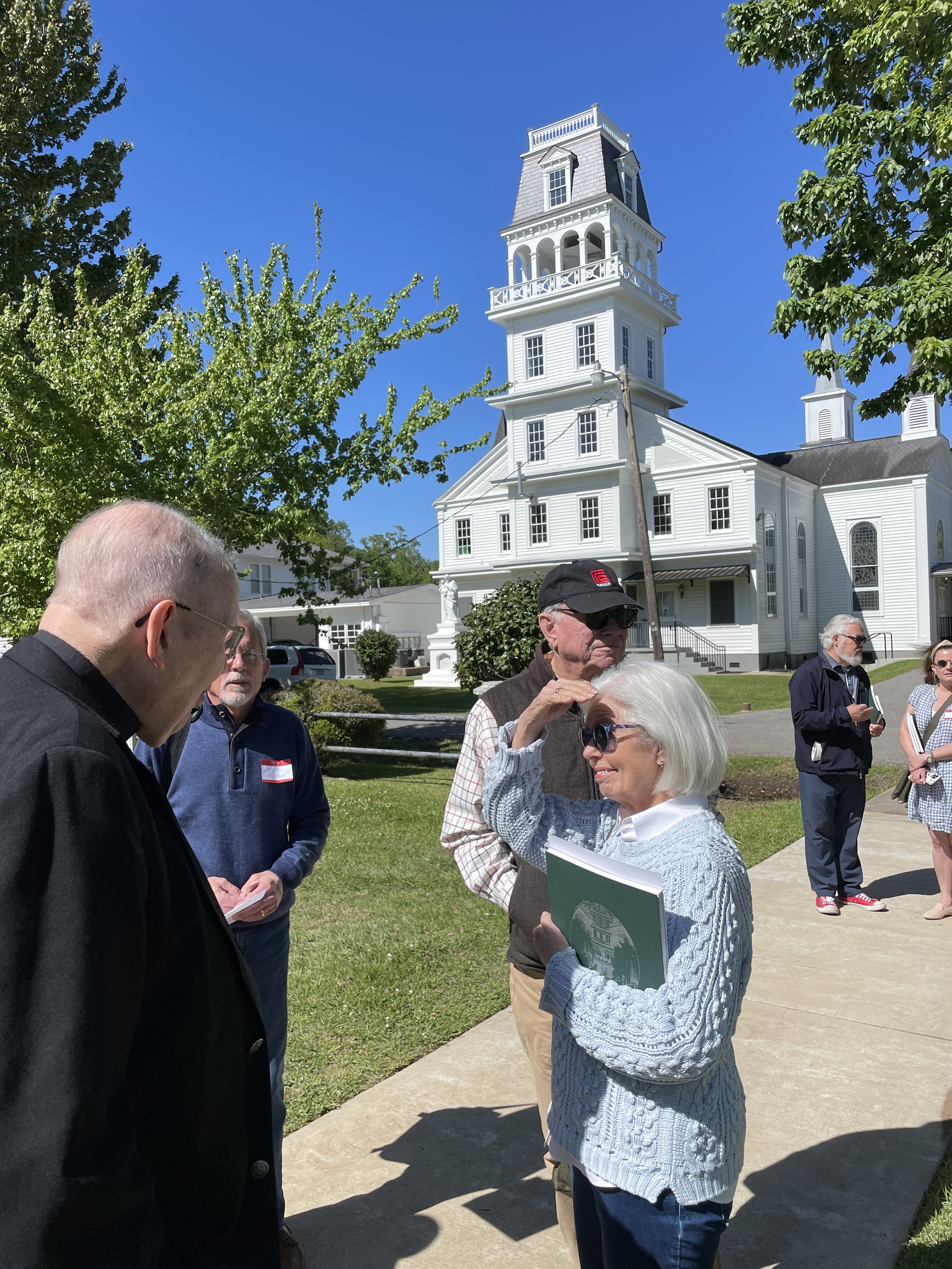
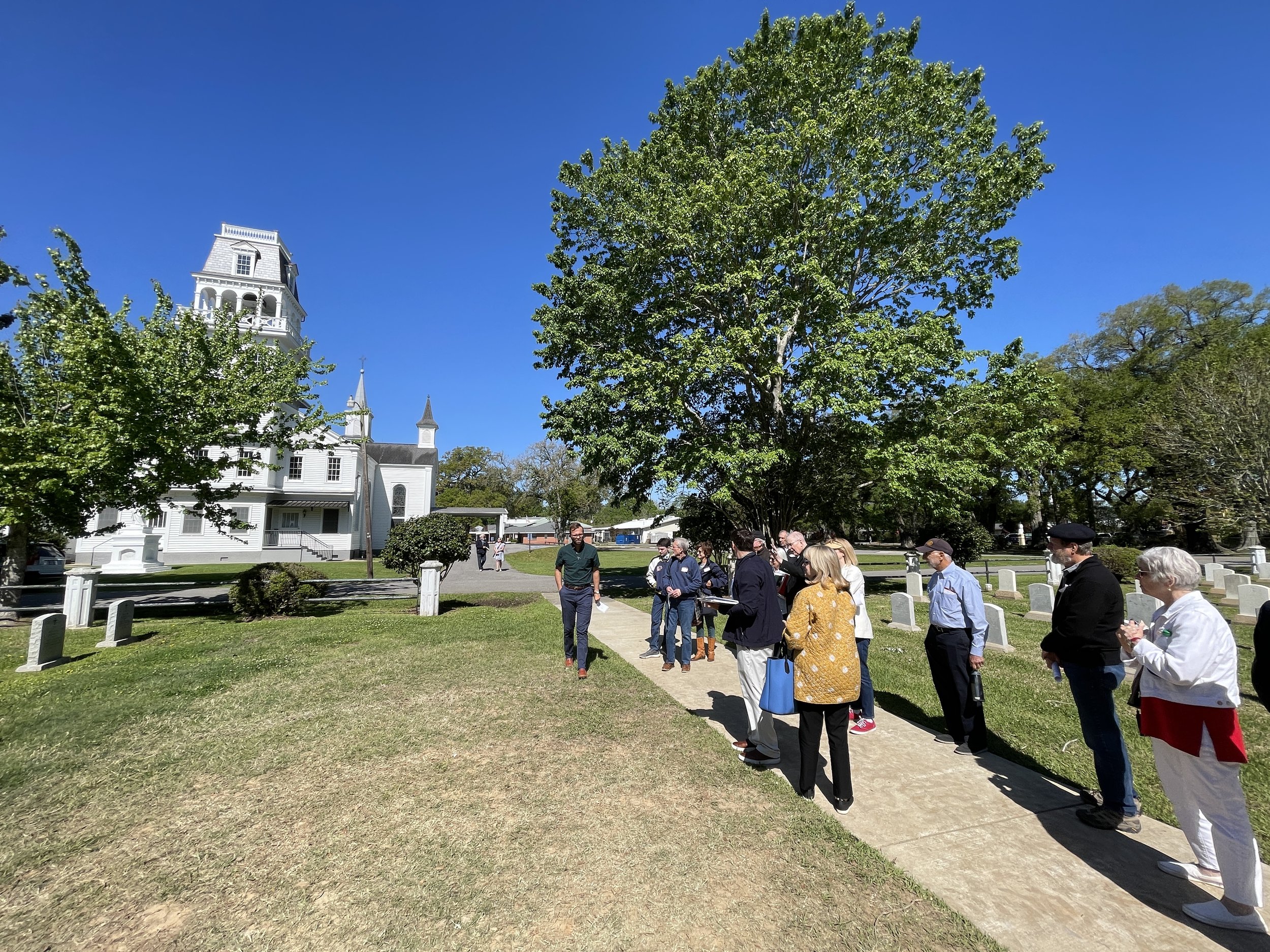
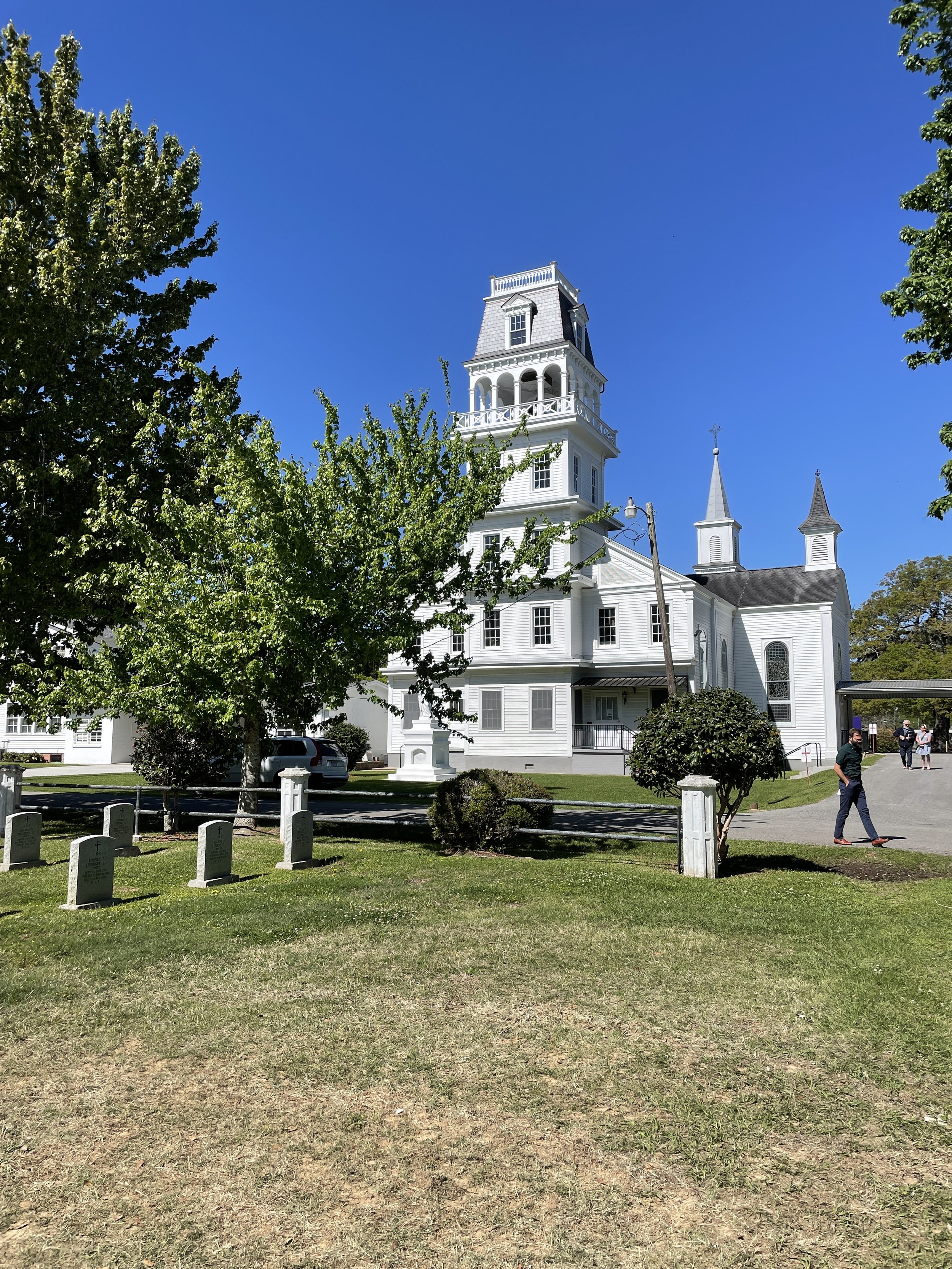
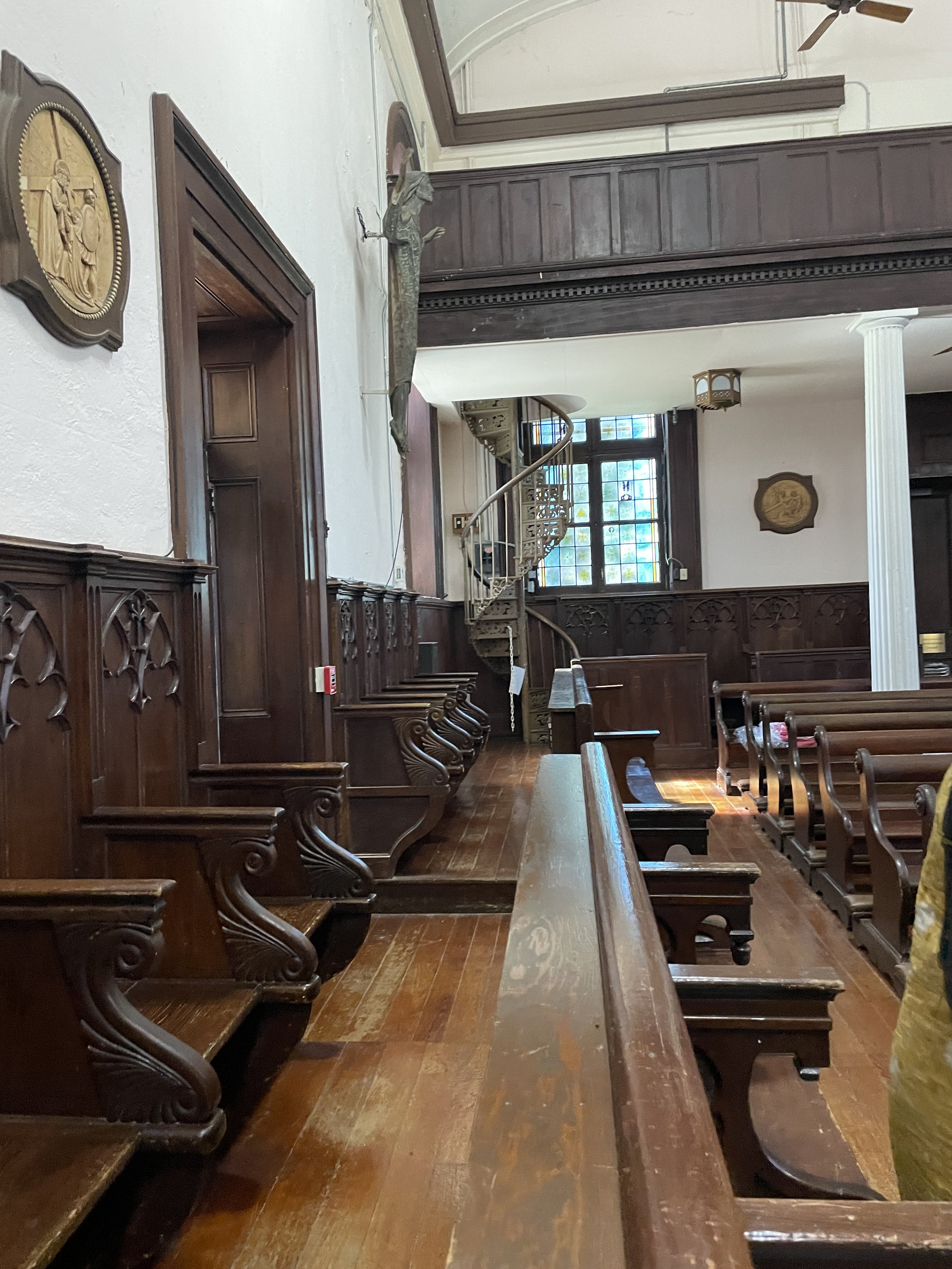
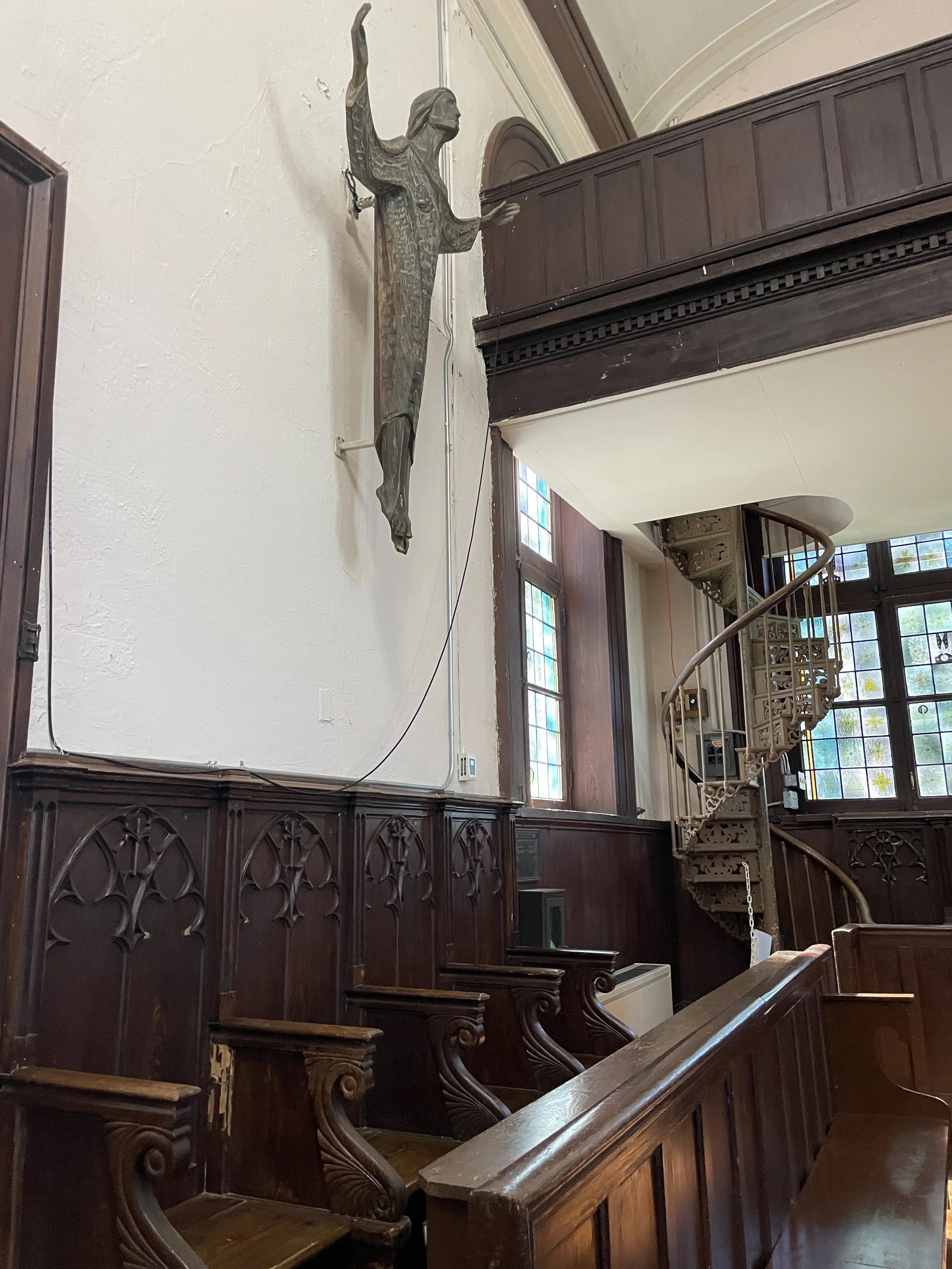
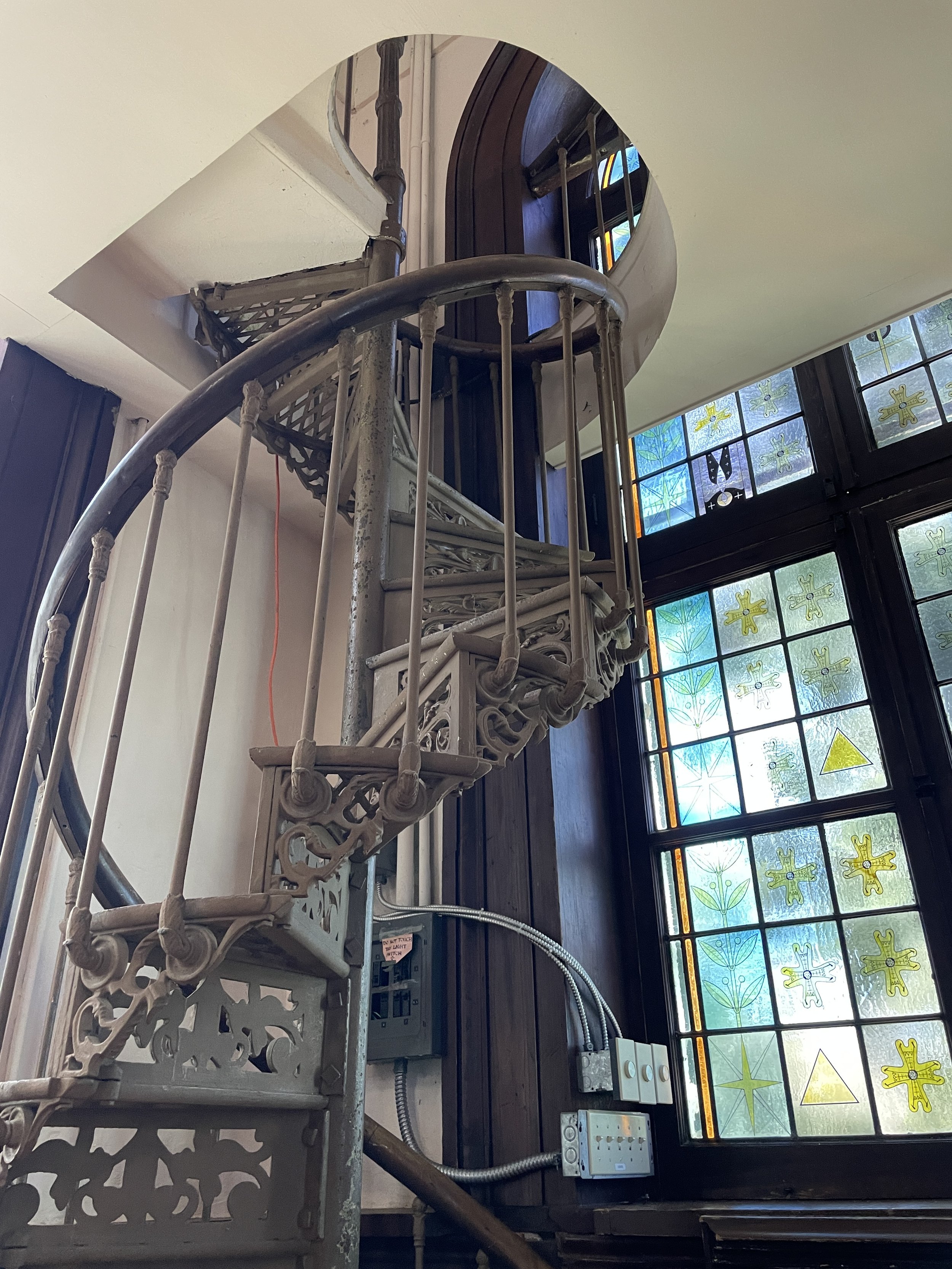
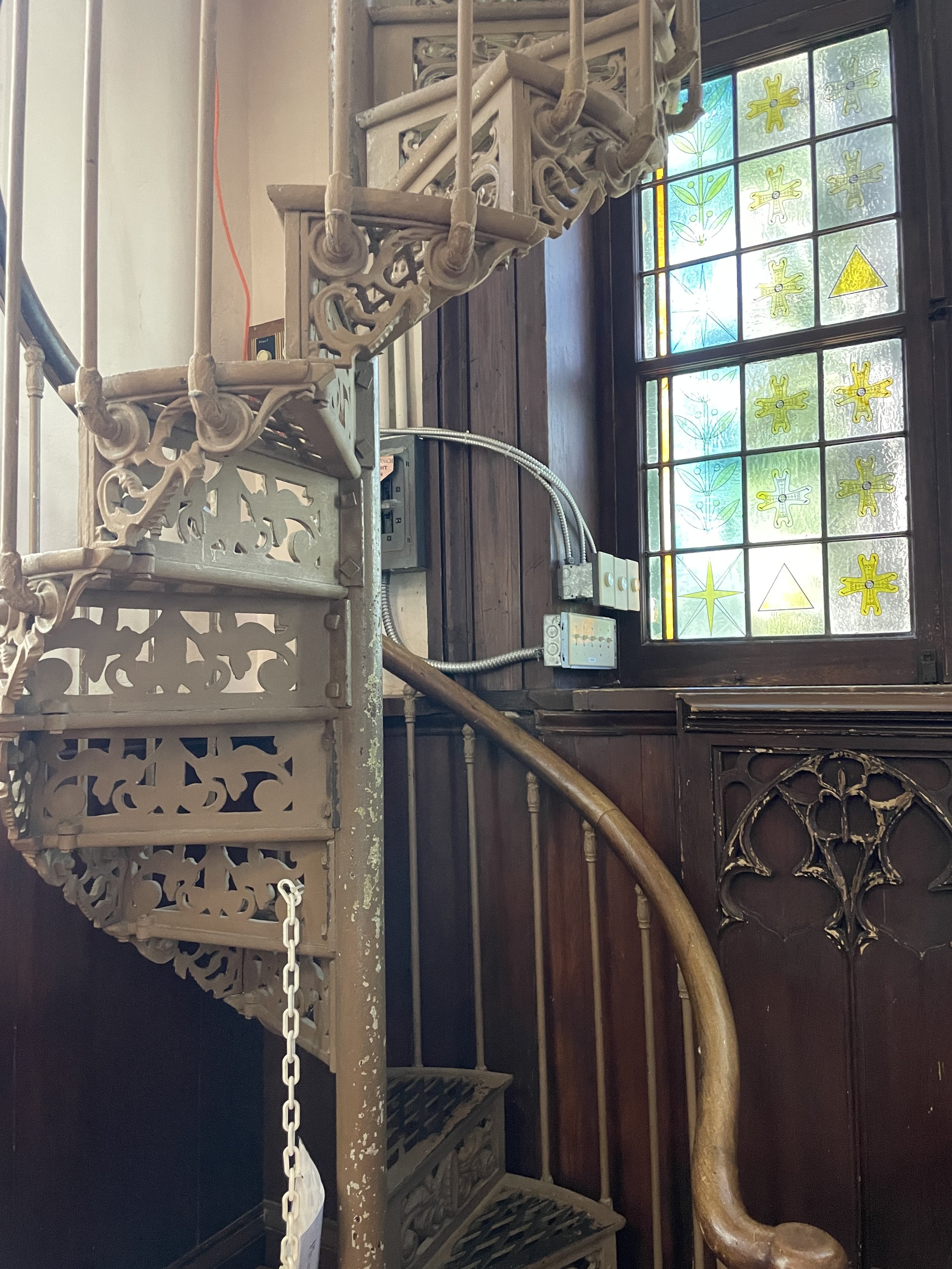
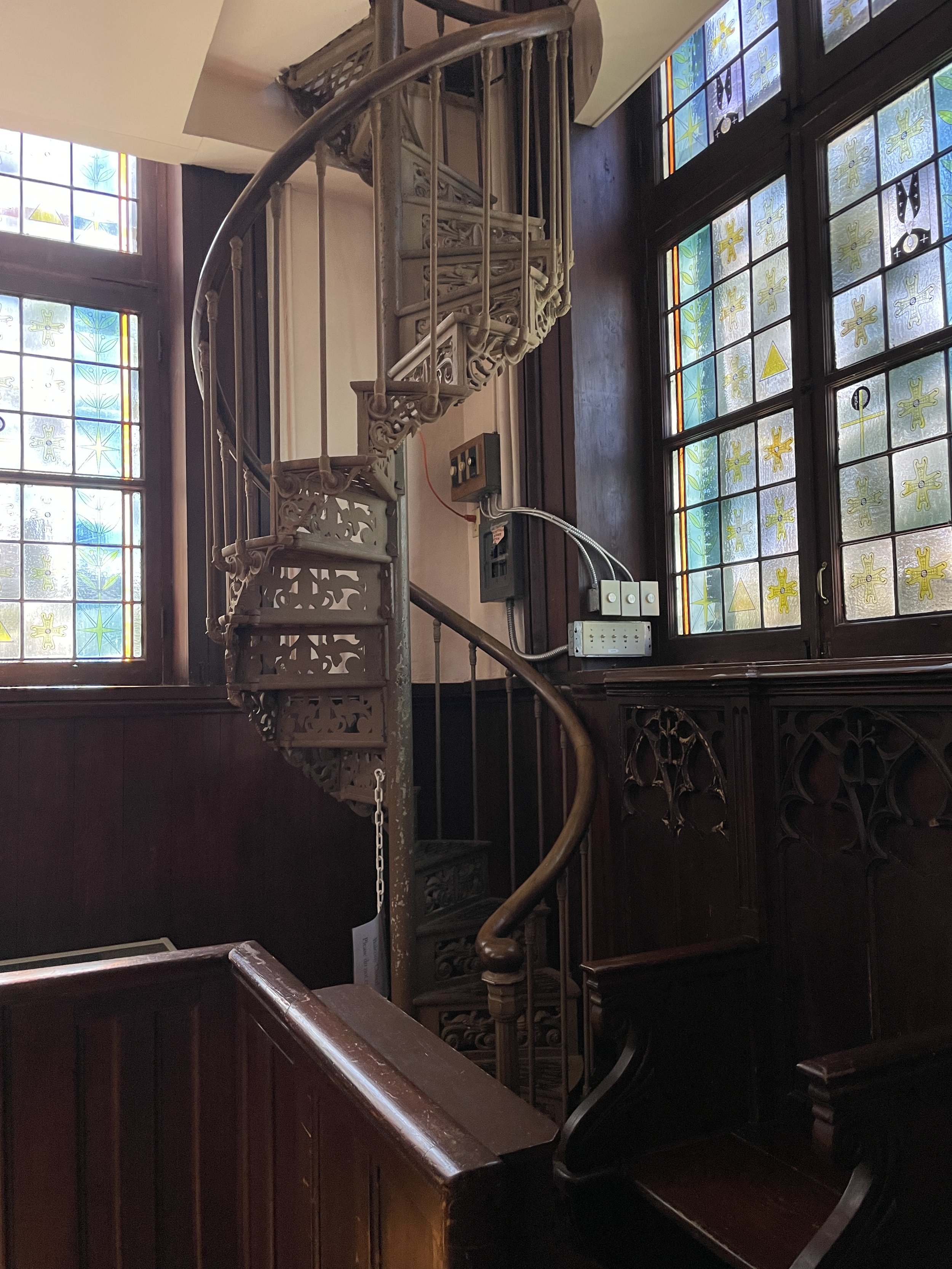
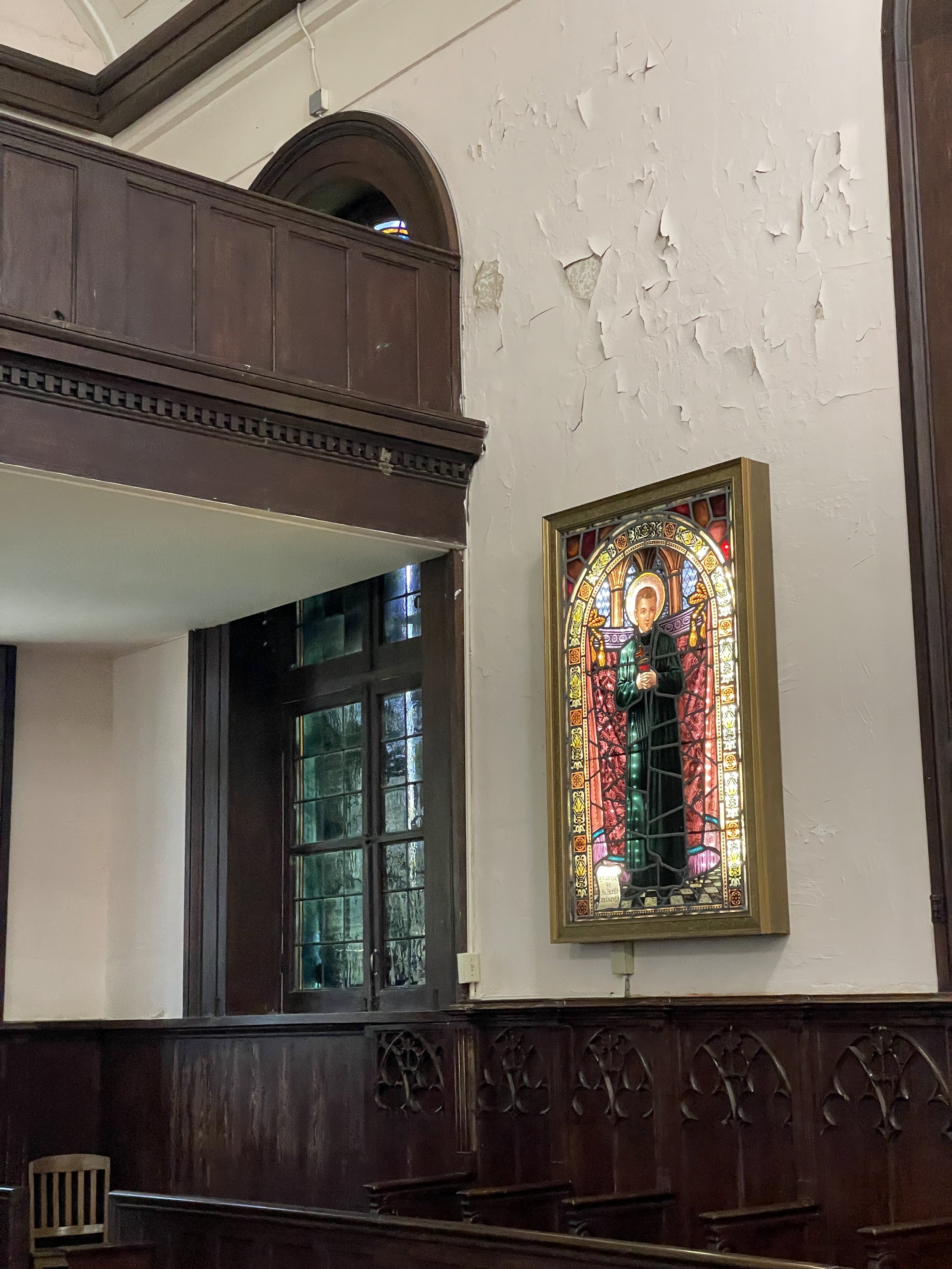
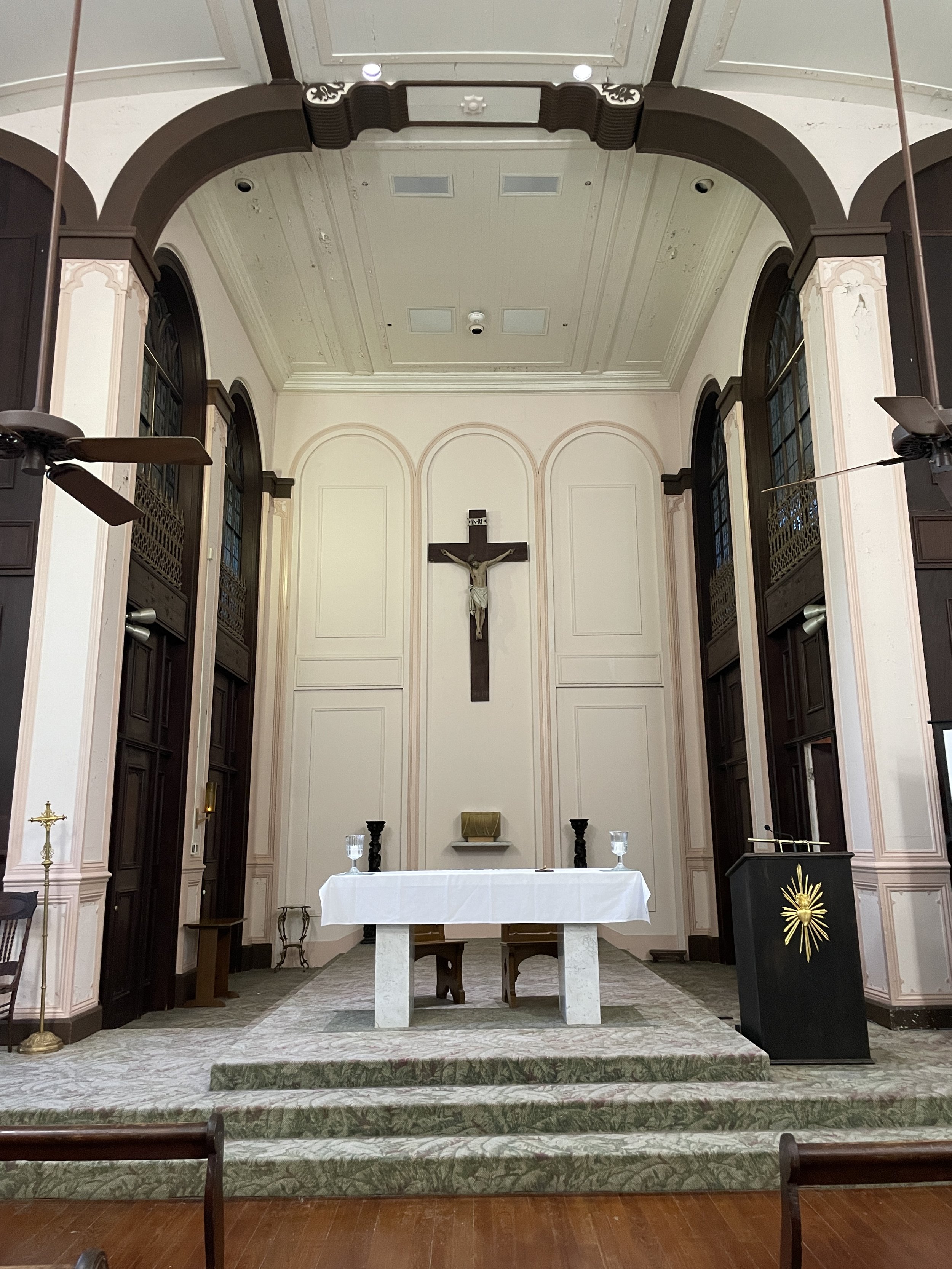
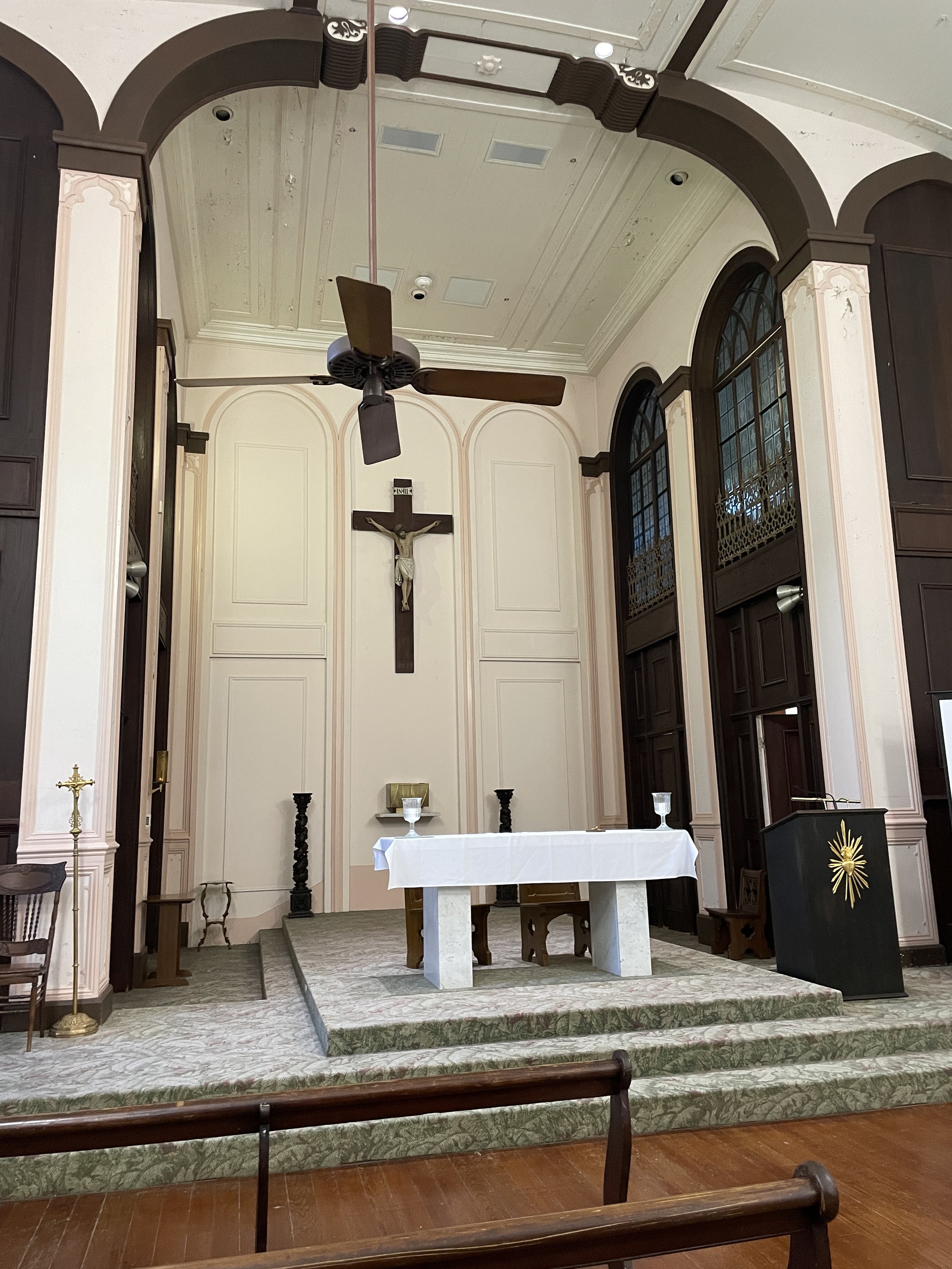
St. Charles Borromeo Catholic Church (1879)
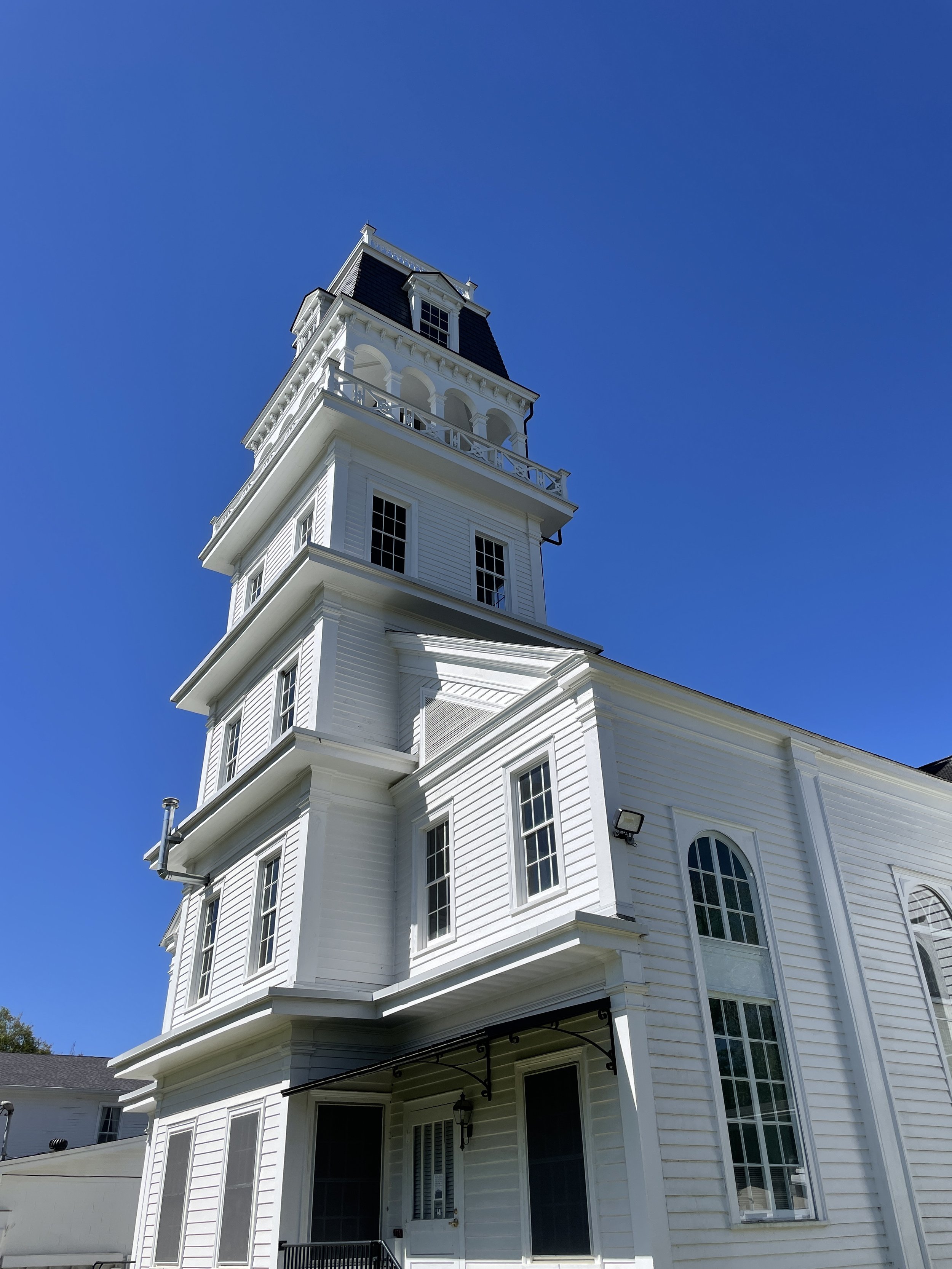
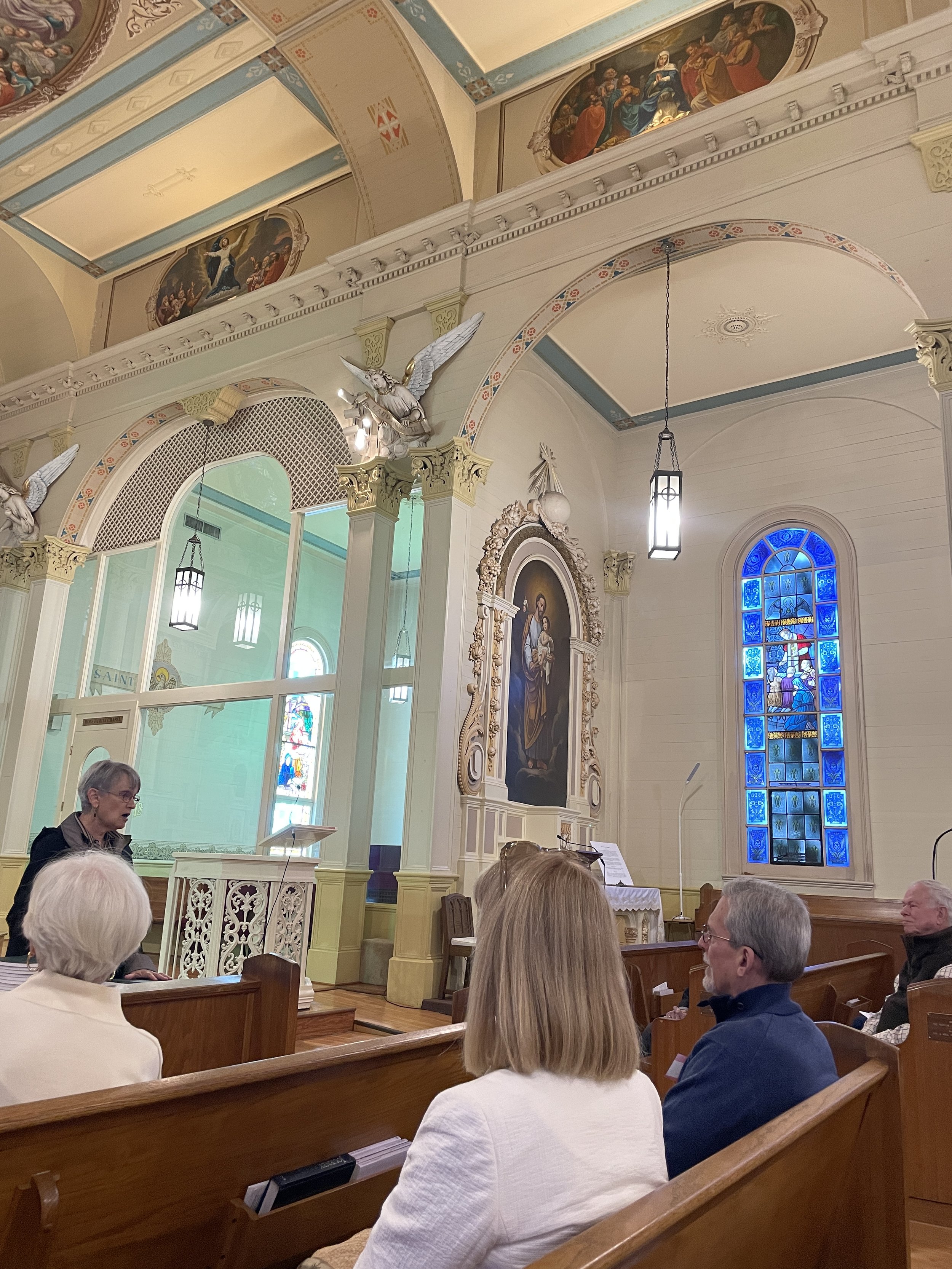
ABOUT: St. Charles Borromeo Parish was established in 1819 and is the third oldest parish in the Diocese of Lafayette. It is pre-dated only by St. Martin de Tours Church in St. Martinville and St. Landry Church in Opelousas. The main part of the church was finished in 1879. The rear Second Empire addition of the bell tower was added in 1886. Stained glass windows had been added in the 1940s. Each window depicted real people, and the 12 promises of God.
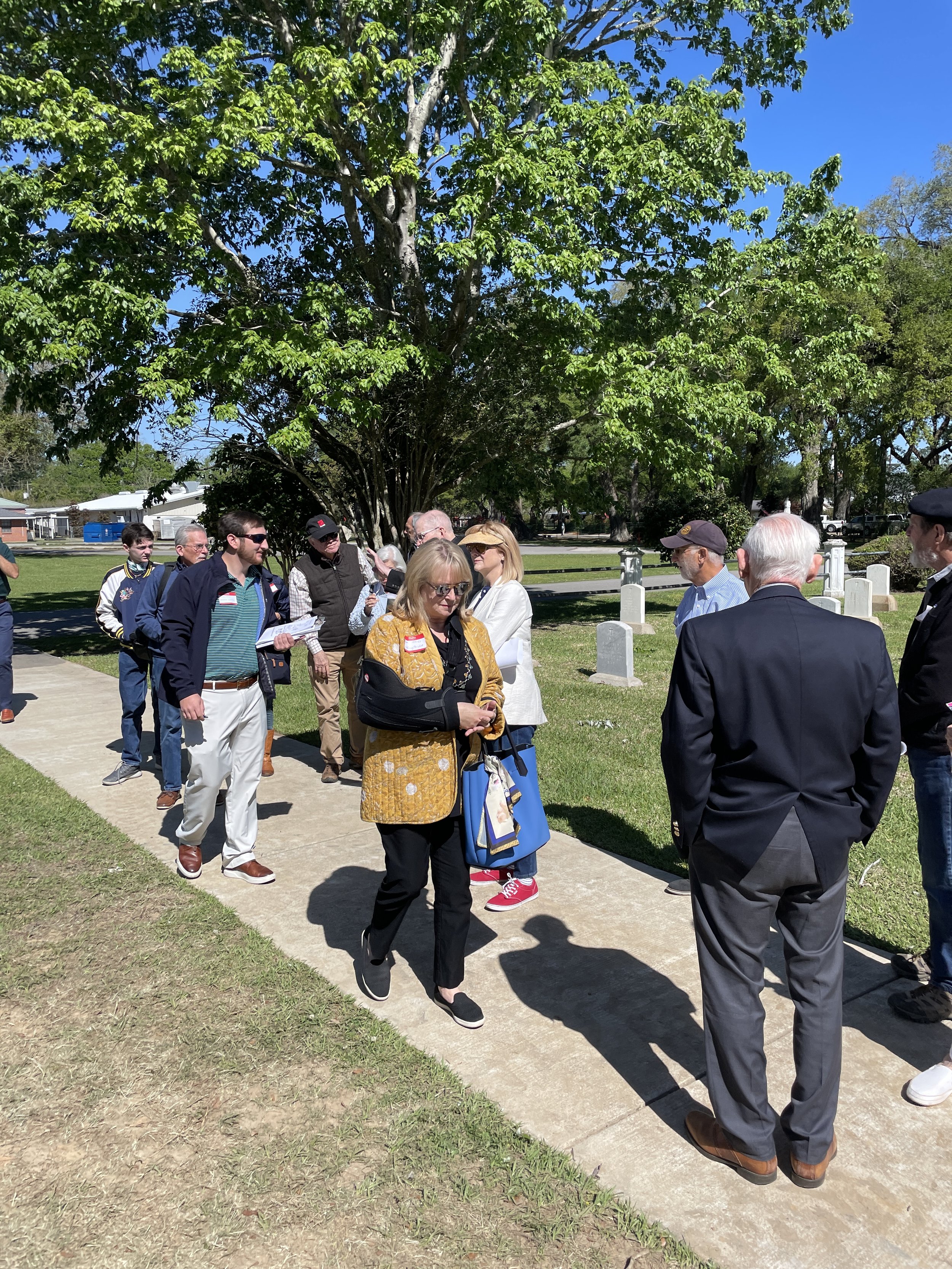
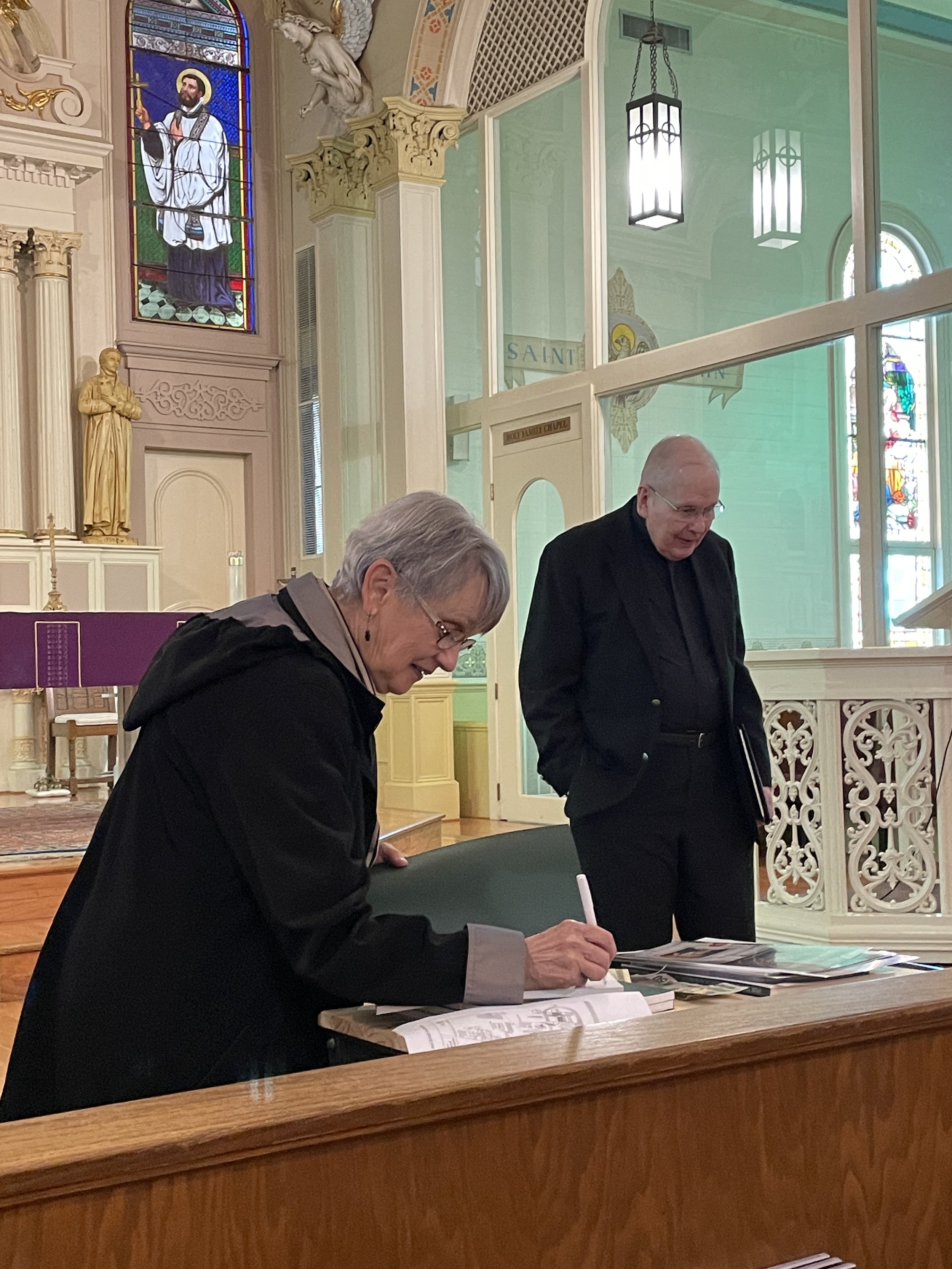
FORAY EVENT: Tour of the Jesuit compound: St. Charles Borromeo Church and Cemetery. Father Jim Bradley, S.J., St. Charles College Historian, and Father Mark Kramer, S.J., Pastor of St. Charles Borromeo Church, gave a historic overview of Jesuit history in Grand Coteau. Bonnie Taylor Barry, author of “ For the Greater Honor and Glory of God: A History of the Building of St. Charles Borromeo Catholic Church of Grand Coteau, Louisiana and a Study of Its Furnishings” (1987) also gave a wonderful lecture on the symbology of the church’s architectural decoration, and significance to the local people who built it!
St. Charles College (1909)
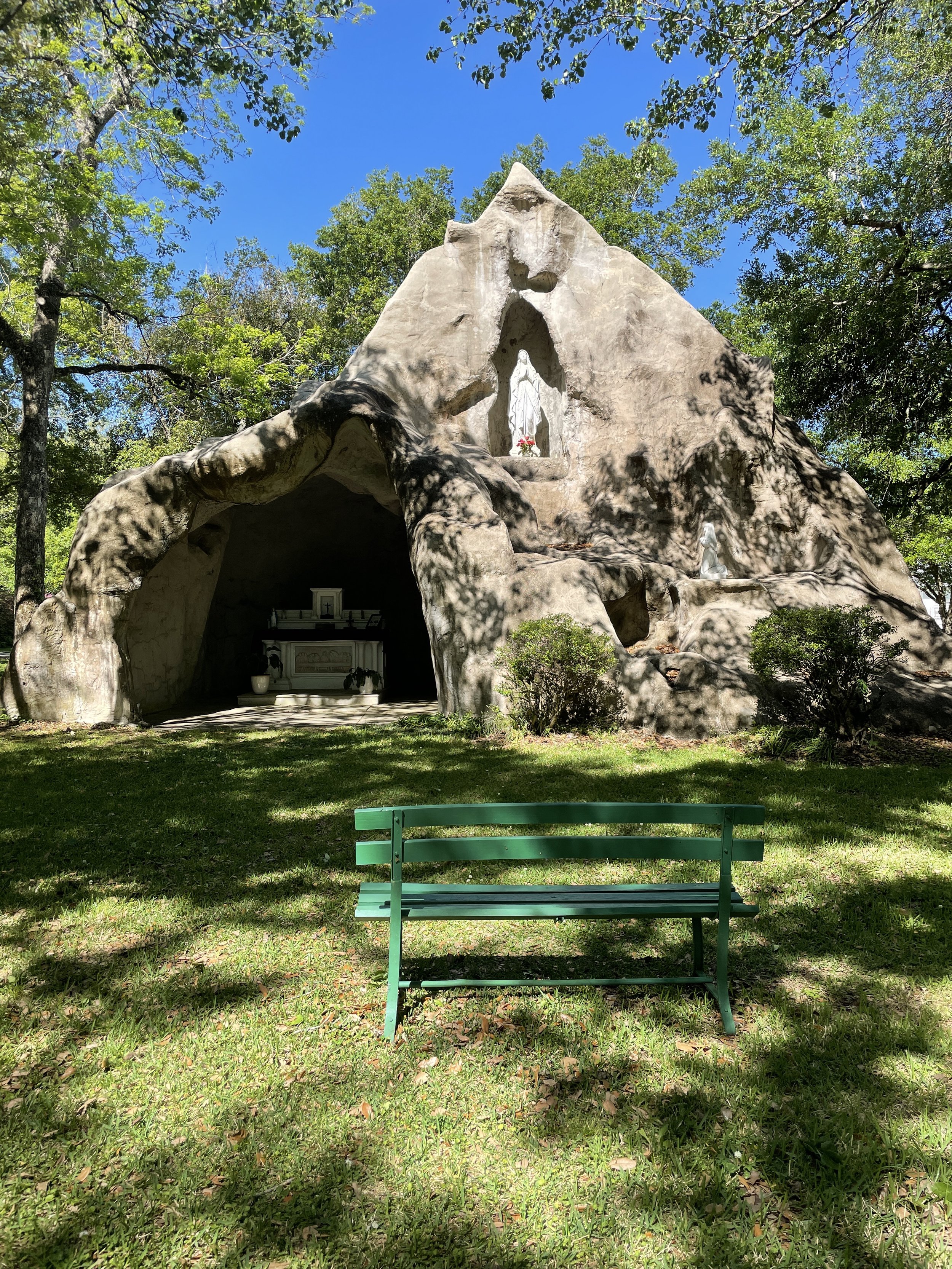
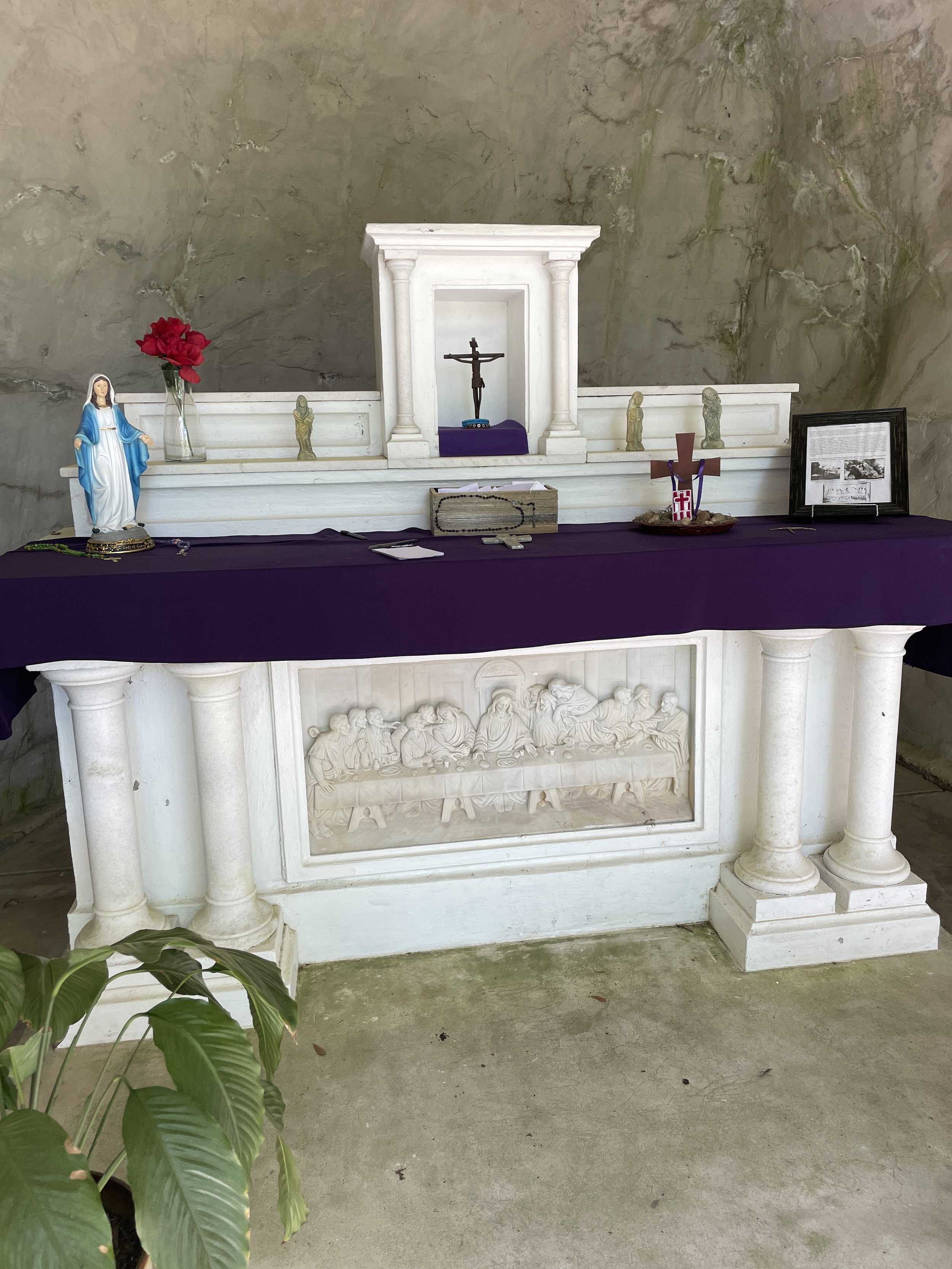
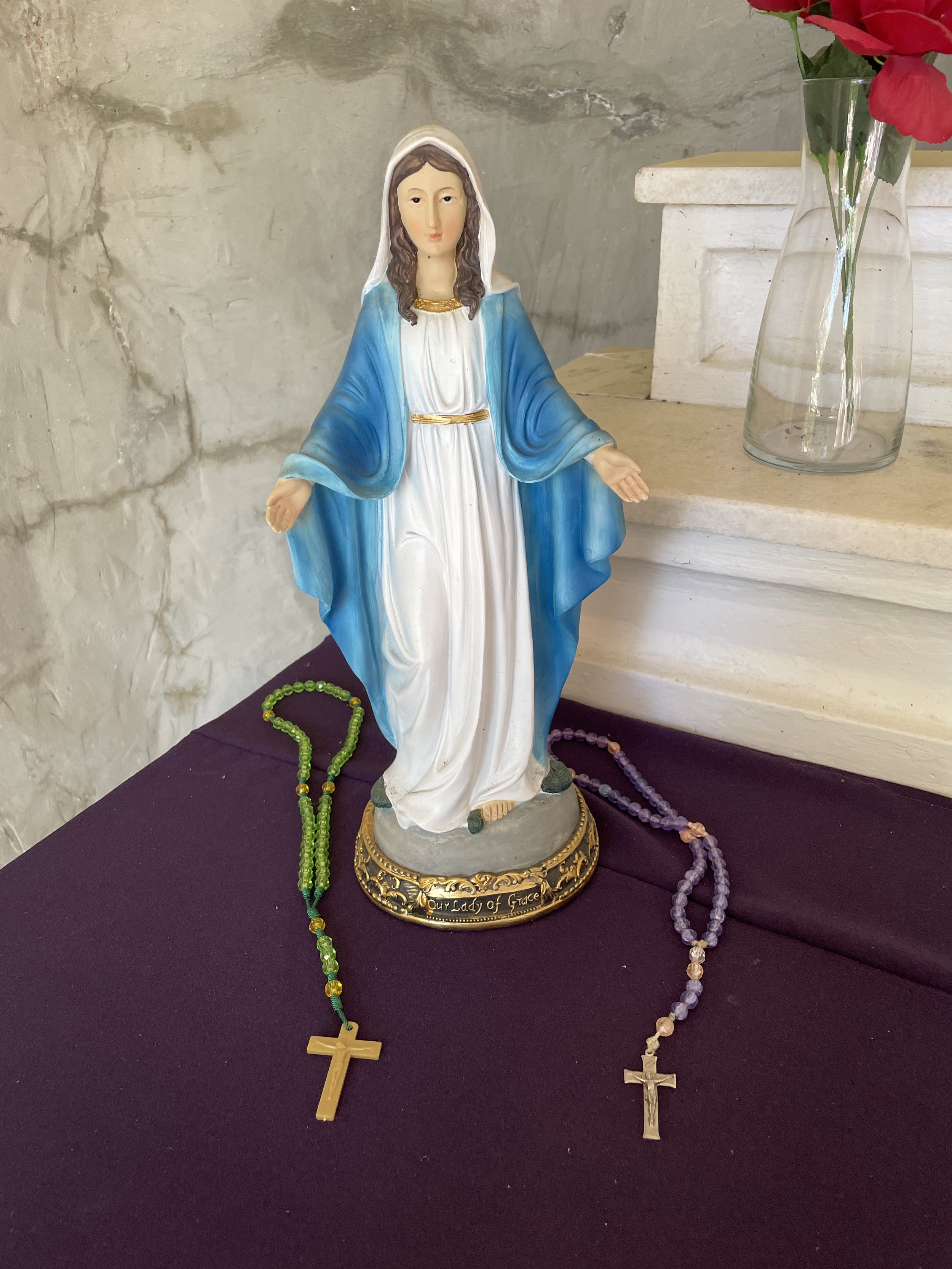
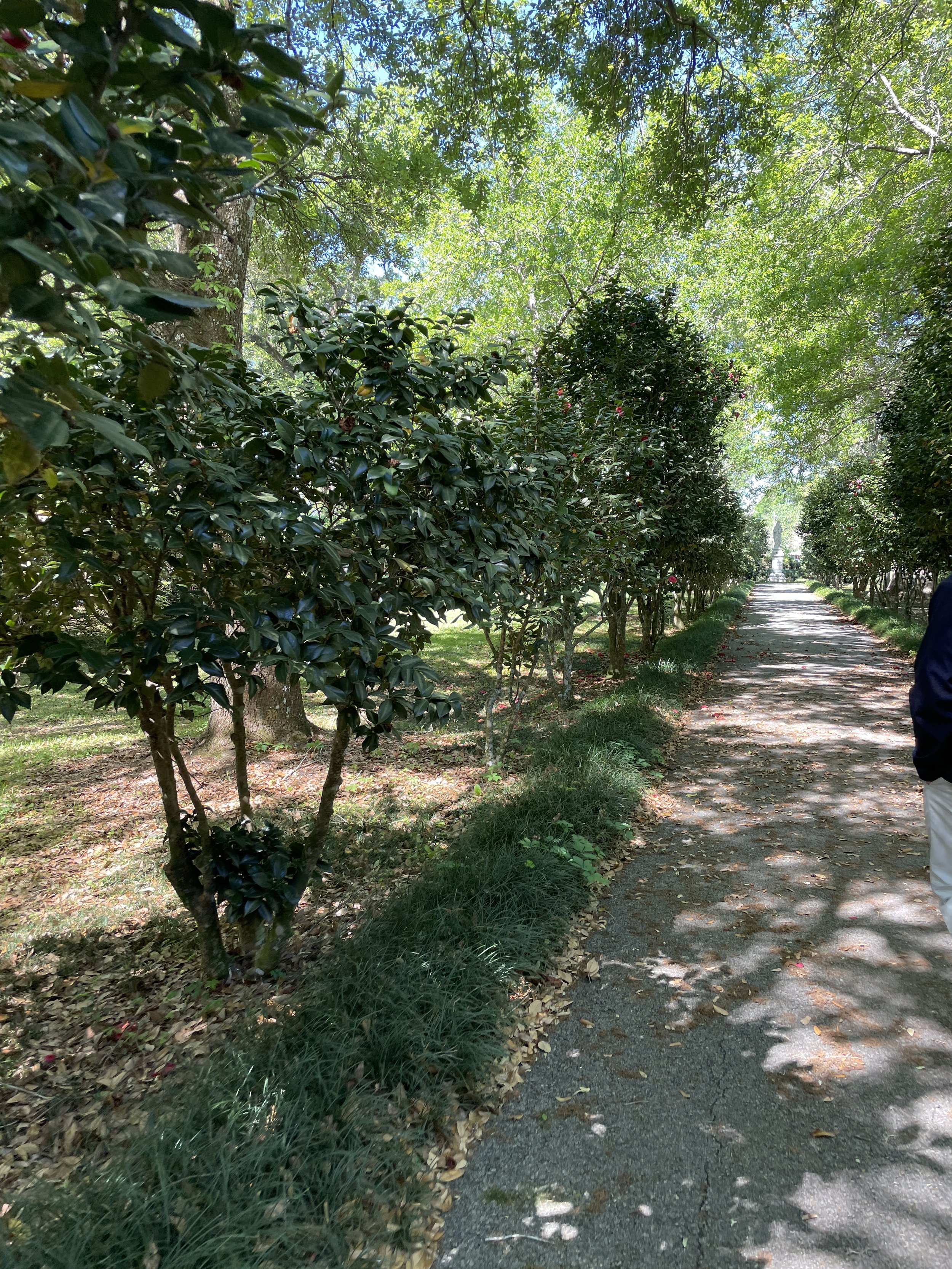
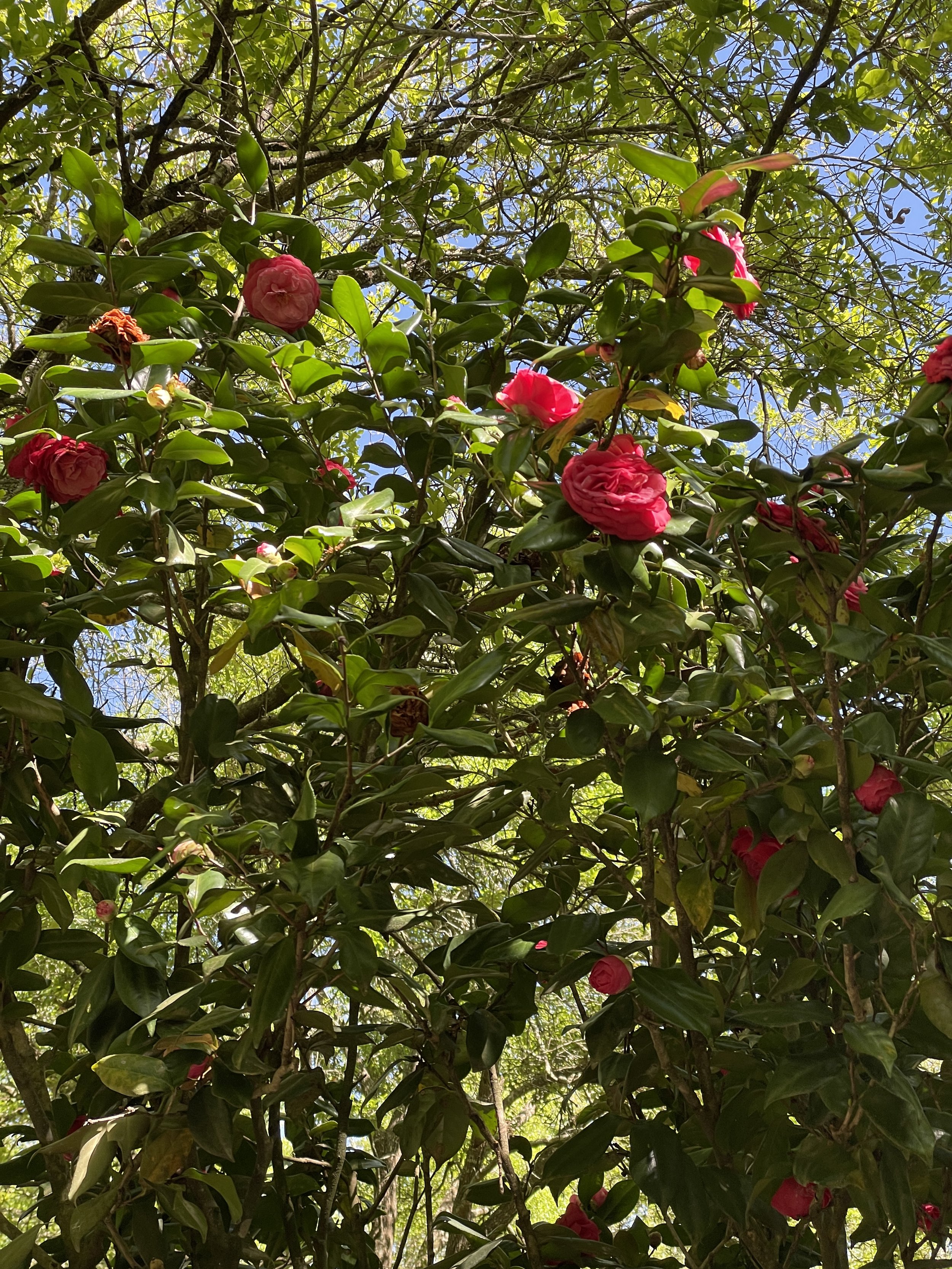
ABOUT: St. Charles College was the first Jesuit college established in the American South. In 1837, the Jesuit Fathers were entrusted with the Parish of St. Charles Borromeo in Grand Coteau; they were French-speaking priests well-suited for a pastoral mission to French-speaking Catholics. Simultaneously, they founded St. Charles College. The original building burned down in 1907, and this massive brick structure replaced it in 1909.
FORAY: Self-walking tour of the Jesuit compound including St. Charles College and Grotto.
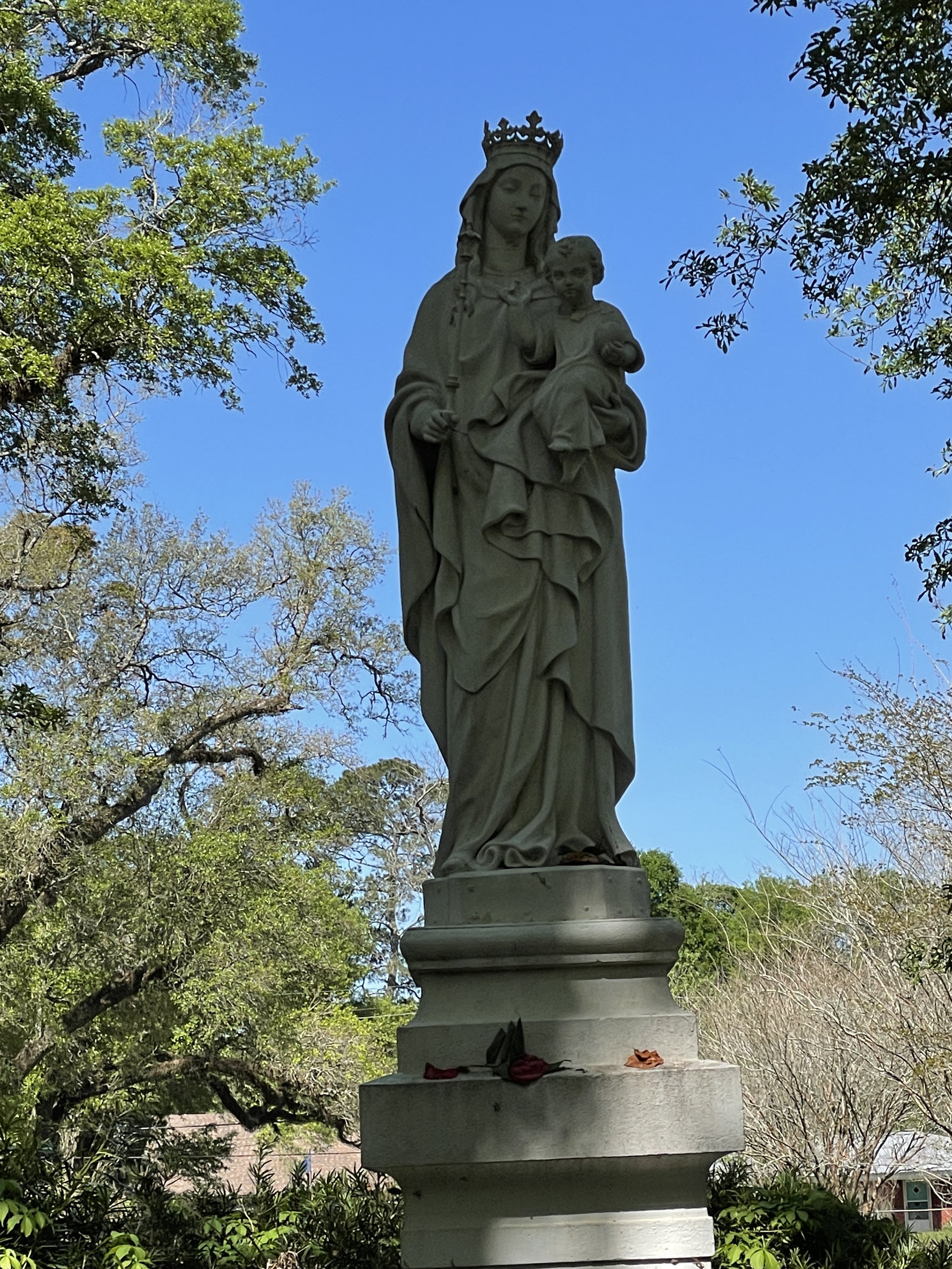
Academy of the Sacred Heart (1830)
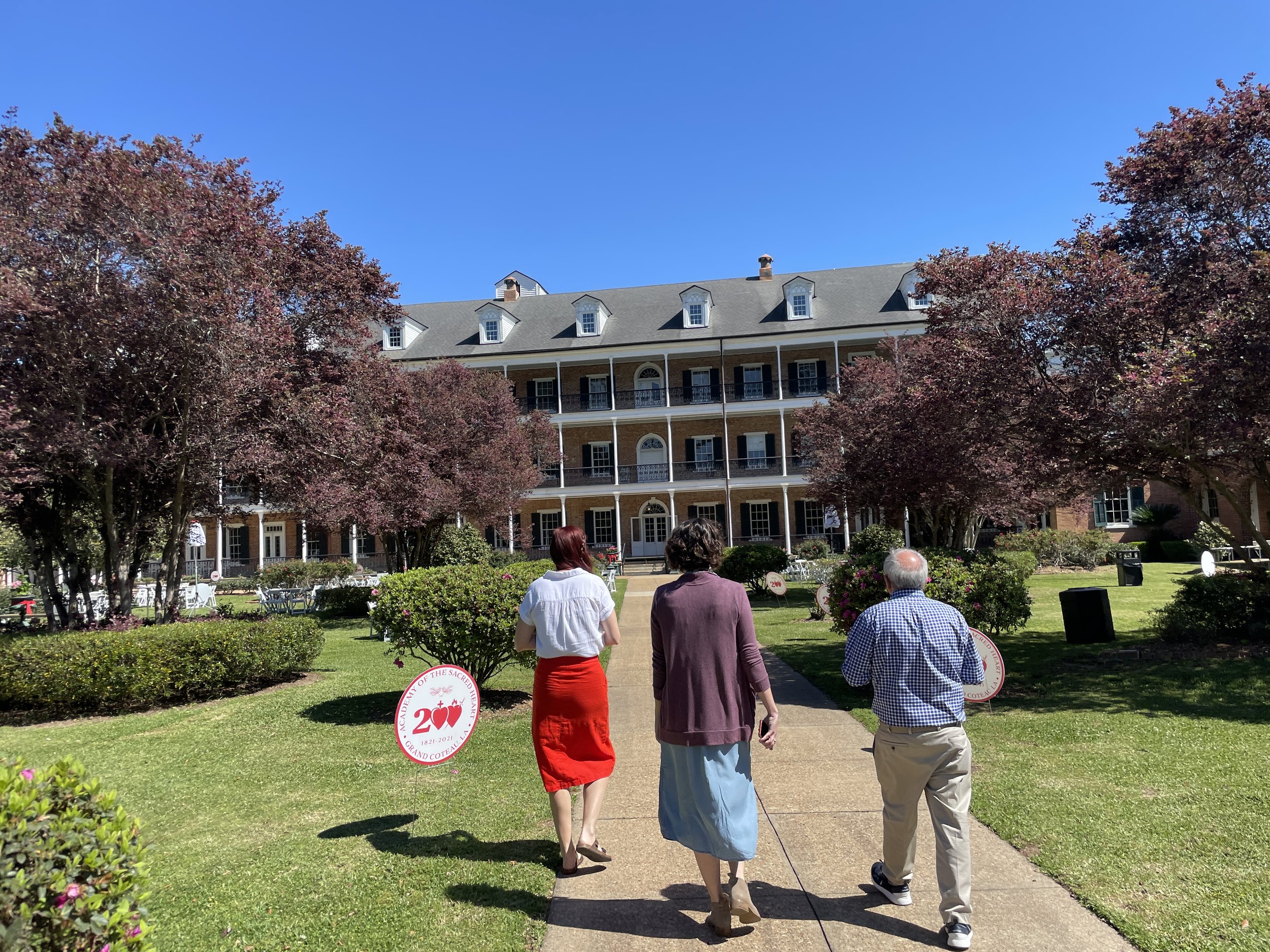
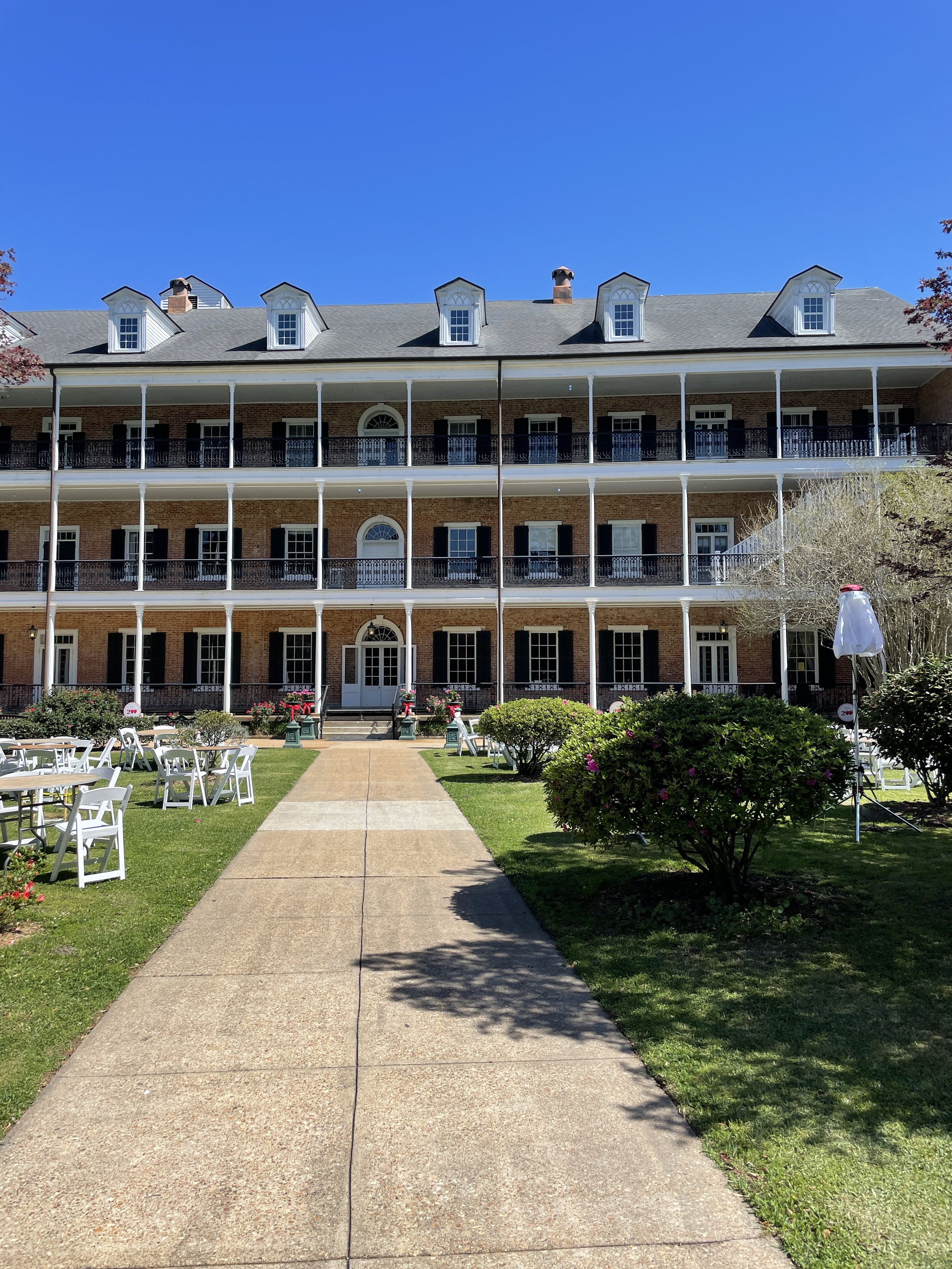
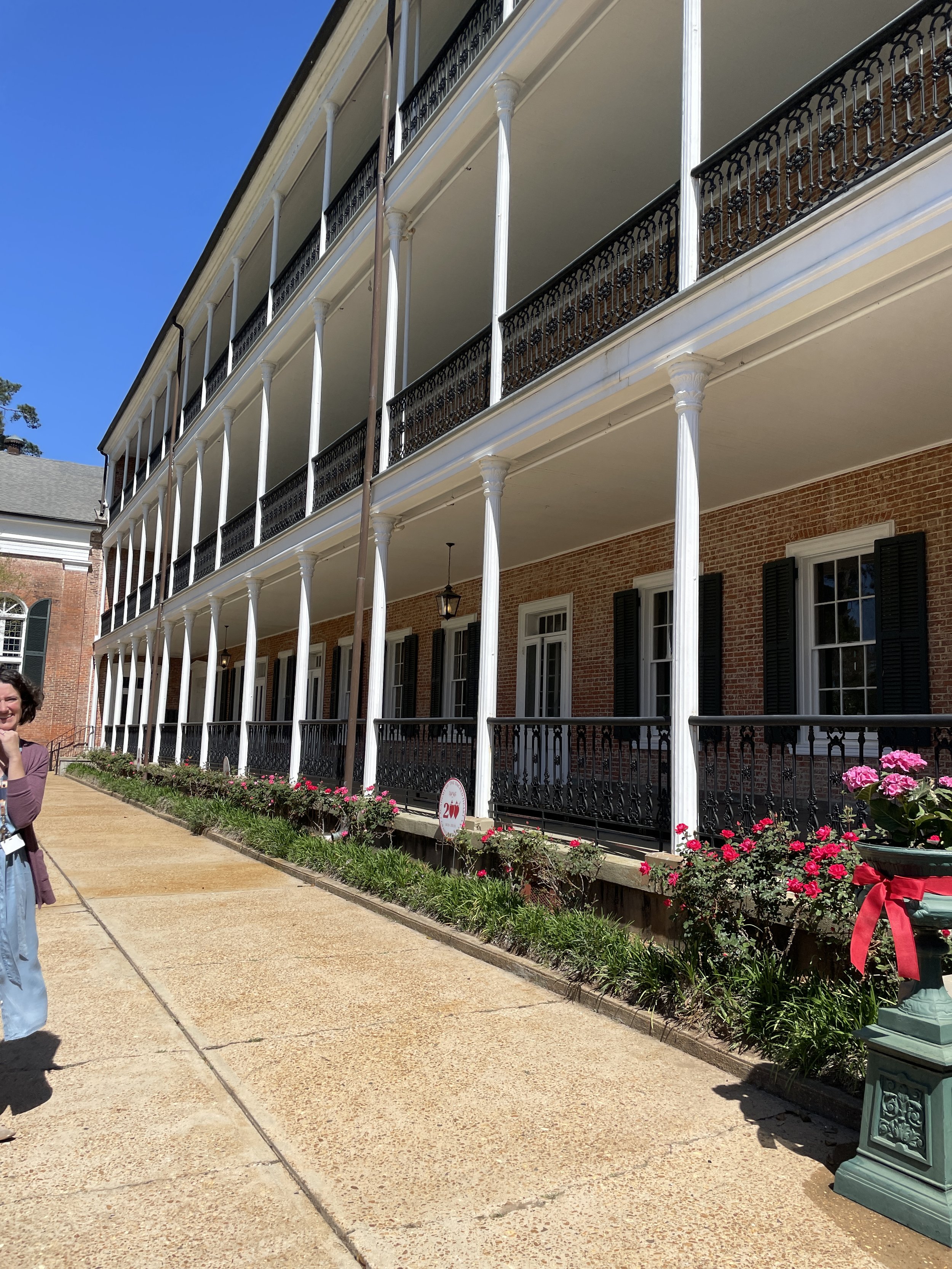
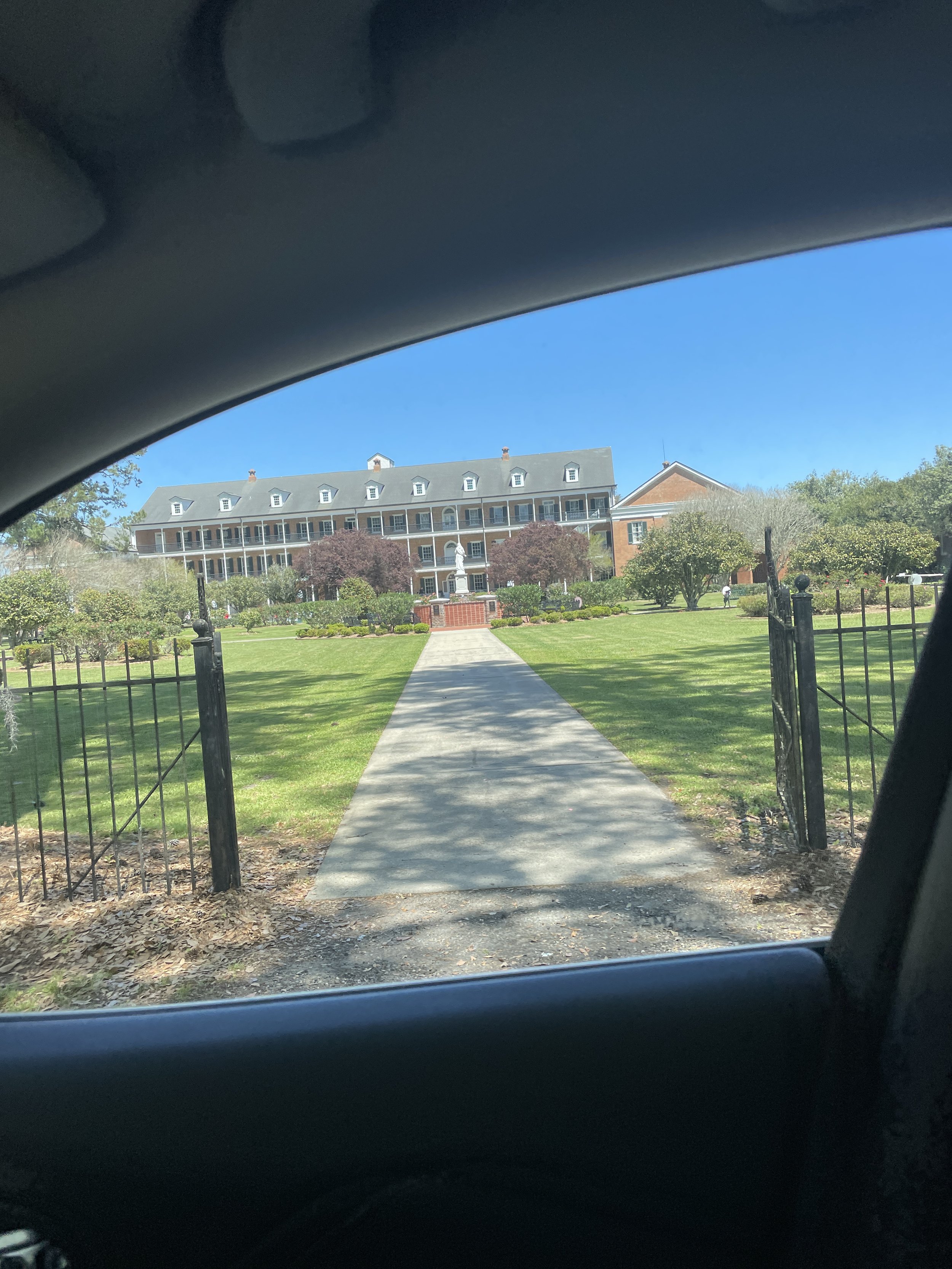
ABOUT: The Academy was established in 1821 and is the second oldest institution of learning west of the Mississippi. It is a girls' school, with residential accommodations for students in grades nine through twelve. It is operated independently within the Roman Catholic Diocese of Lafayette. Its brother school is Berchmans Academy for boys, founded in 2006.
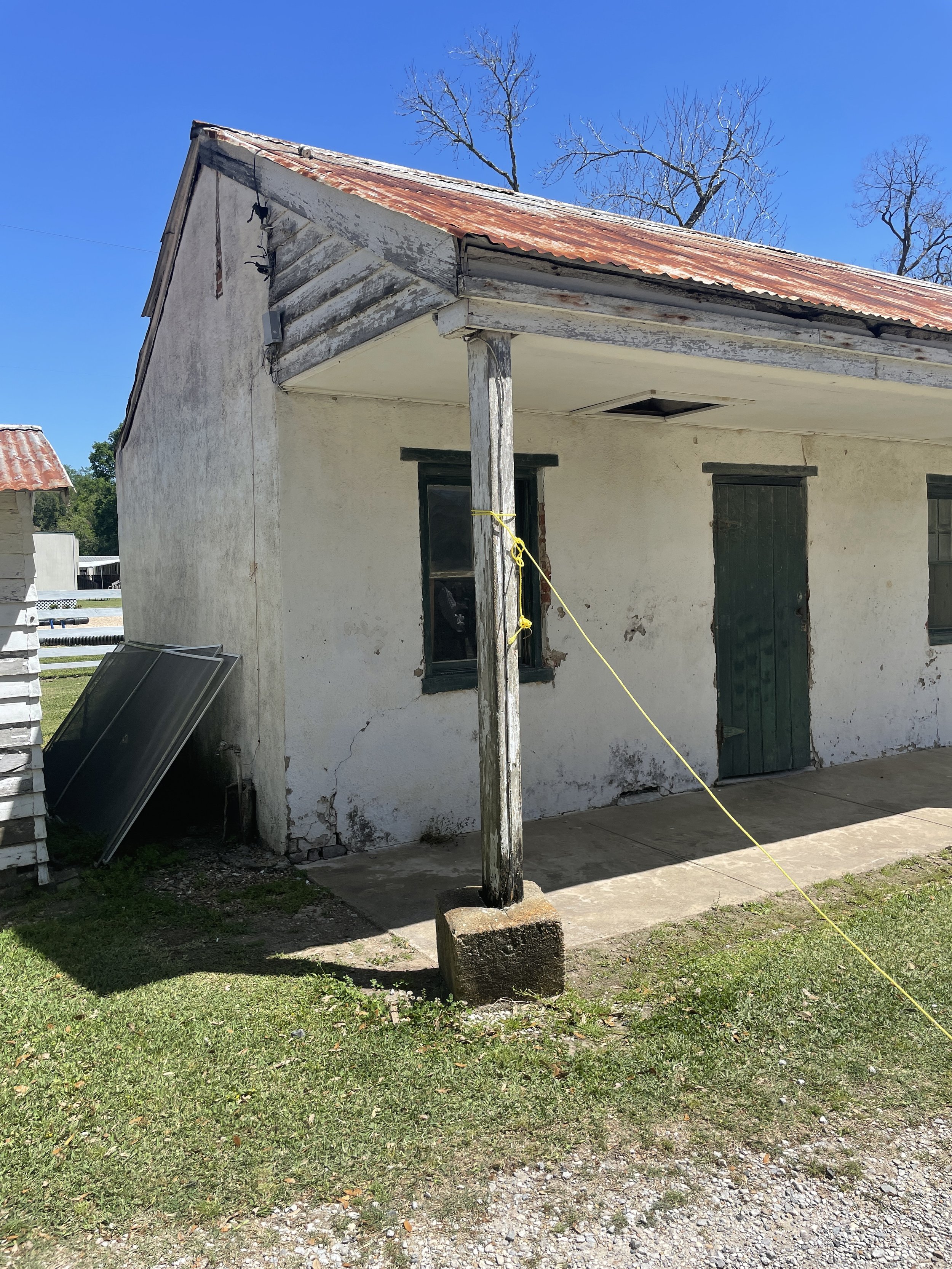
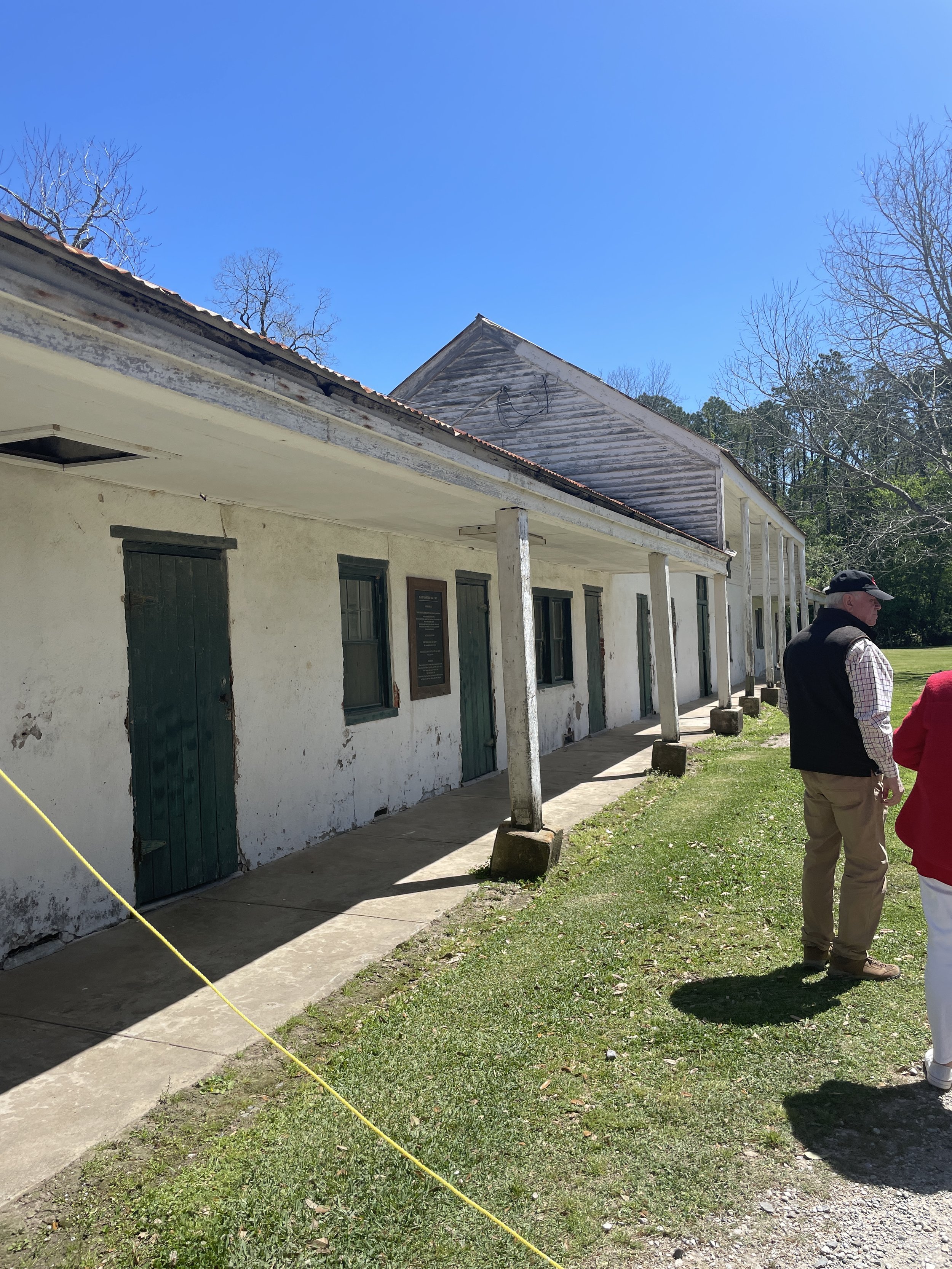
Built in several sections, the Academy has some fine Federal and Greek Revival details and features, i.e. the doorways, the dormers, and the pedimented end wings. The Academy is mainly noteworthy for its size. It is one of the largest Pre-Civil War institutional buildings in the state. In addition its three-story, twenty-two bay cast iron colonnade is very probably the largest Victorian cast iron gallery in the state.
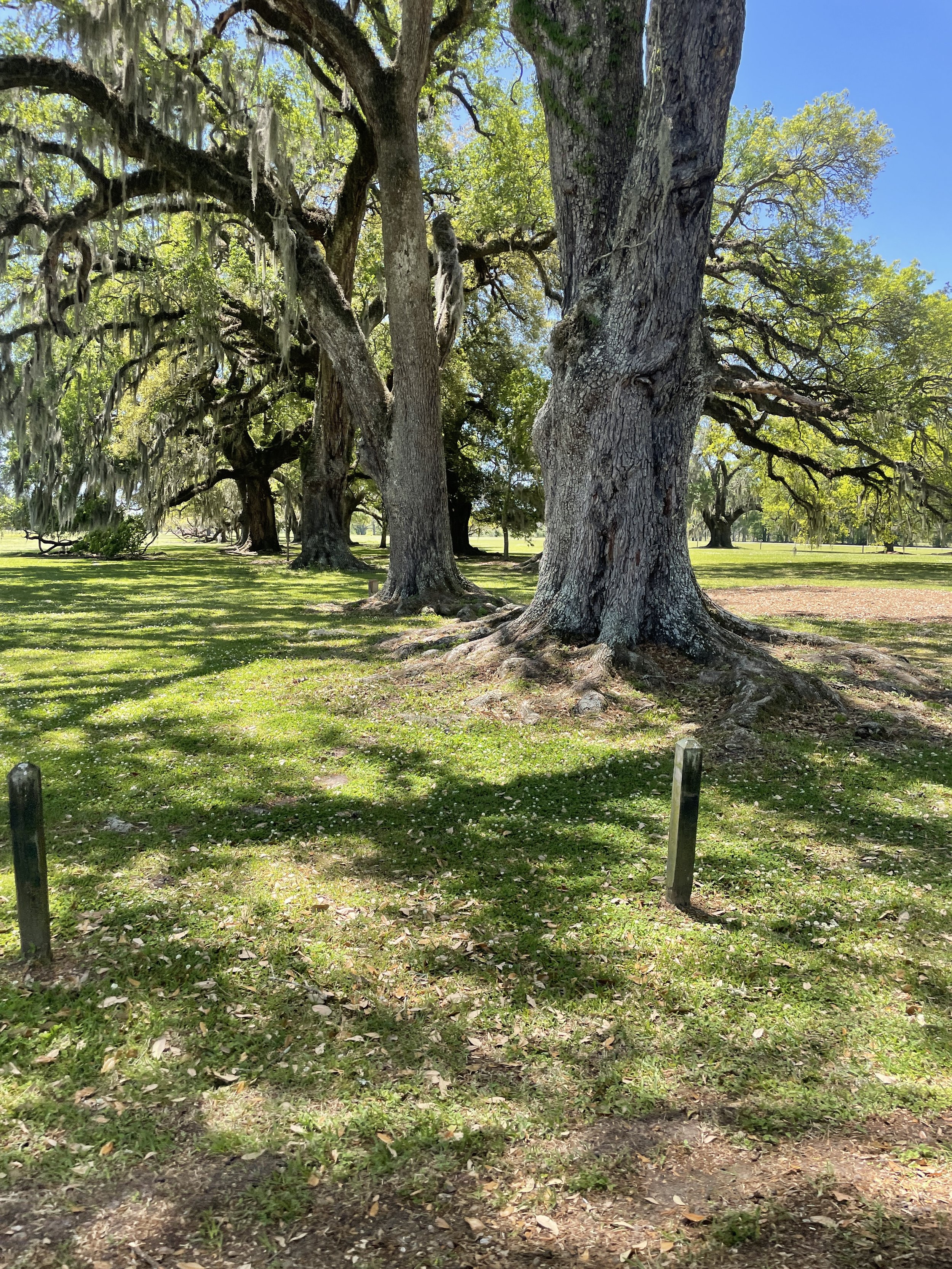
FORAY: Upon arriving at the Academy of the Sacred Heart, Caroline Richard, Society of the Sacred Heart, gave a tour of the compound which included the original school, additions, chapel, slave quarters and laundry house, barn, and gardens. We enjoyed a catered boxed lunch out on the grounds provided by Brent’s Catering, sponsored by St. Landry Parish Tourist Commission.
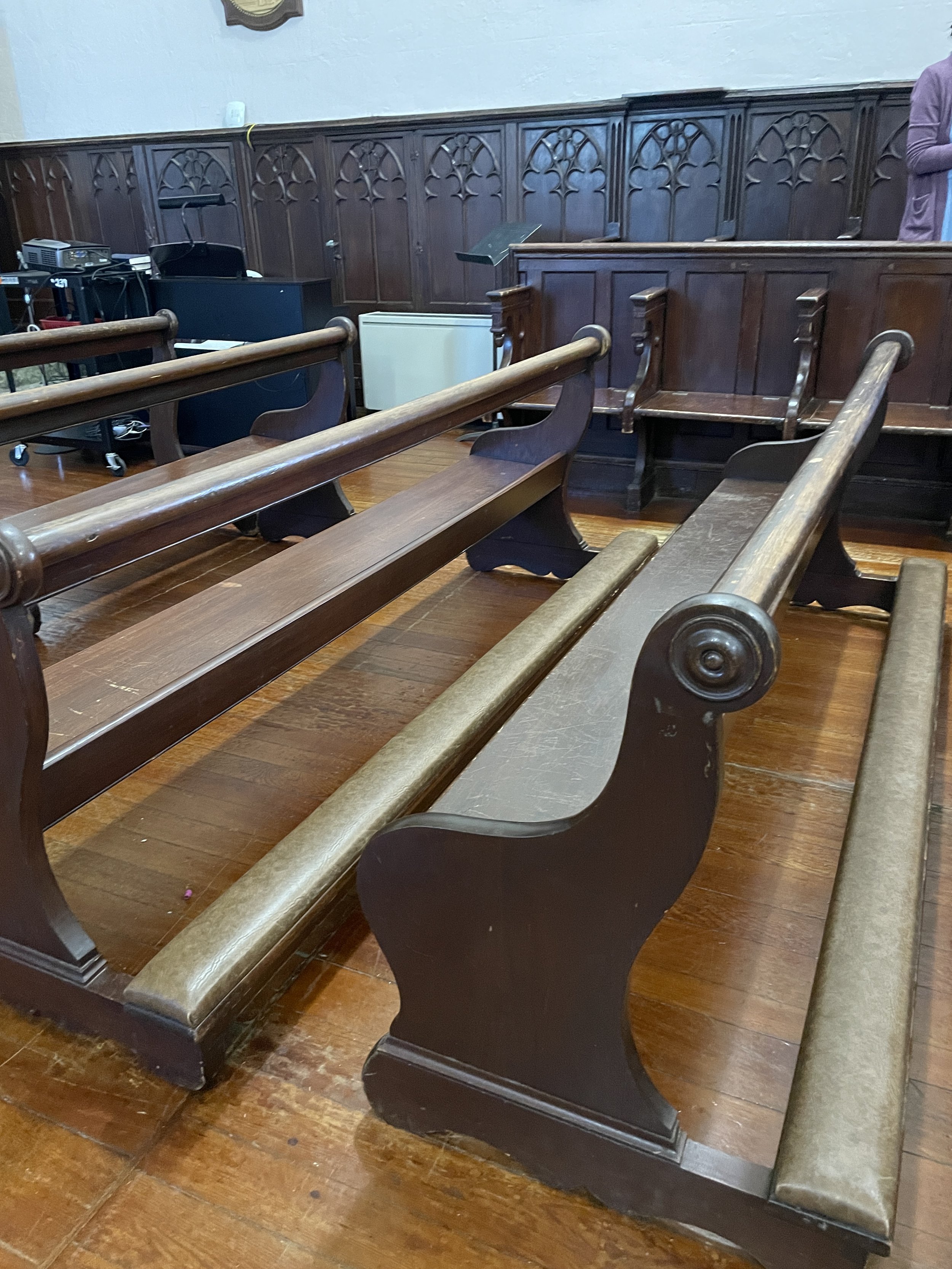
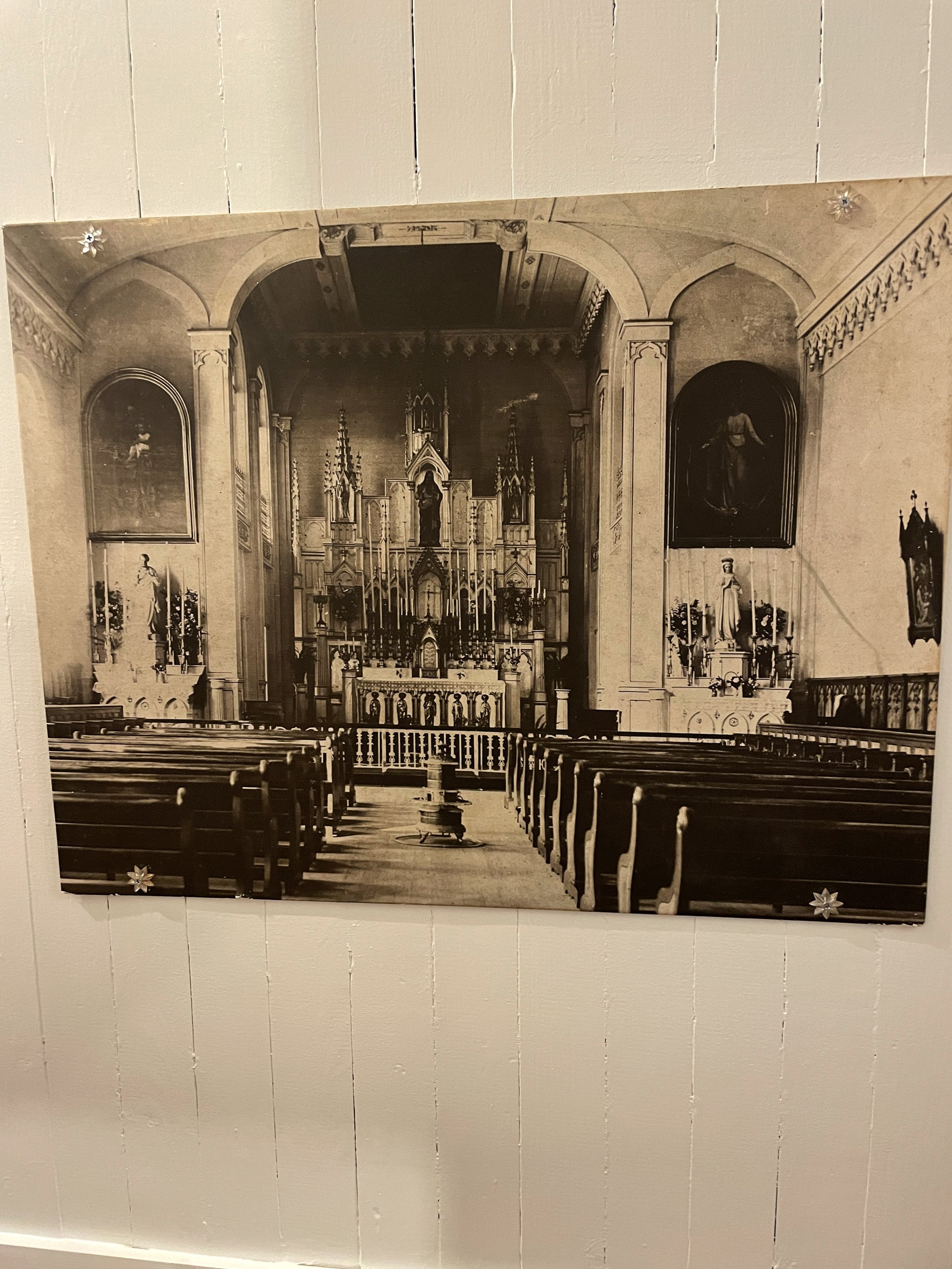
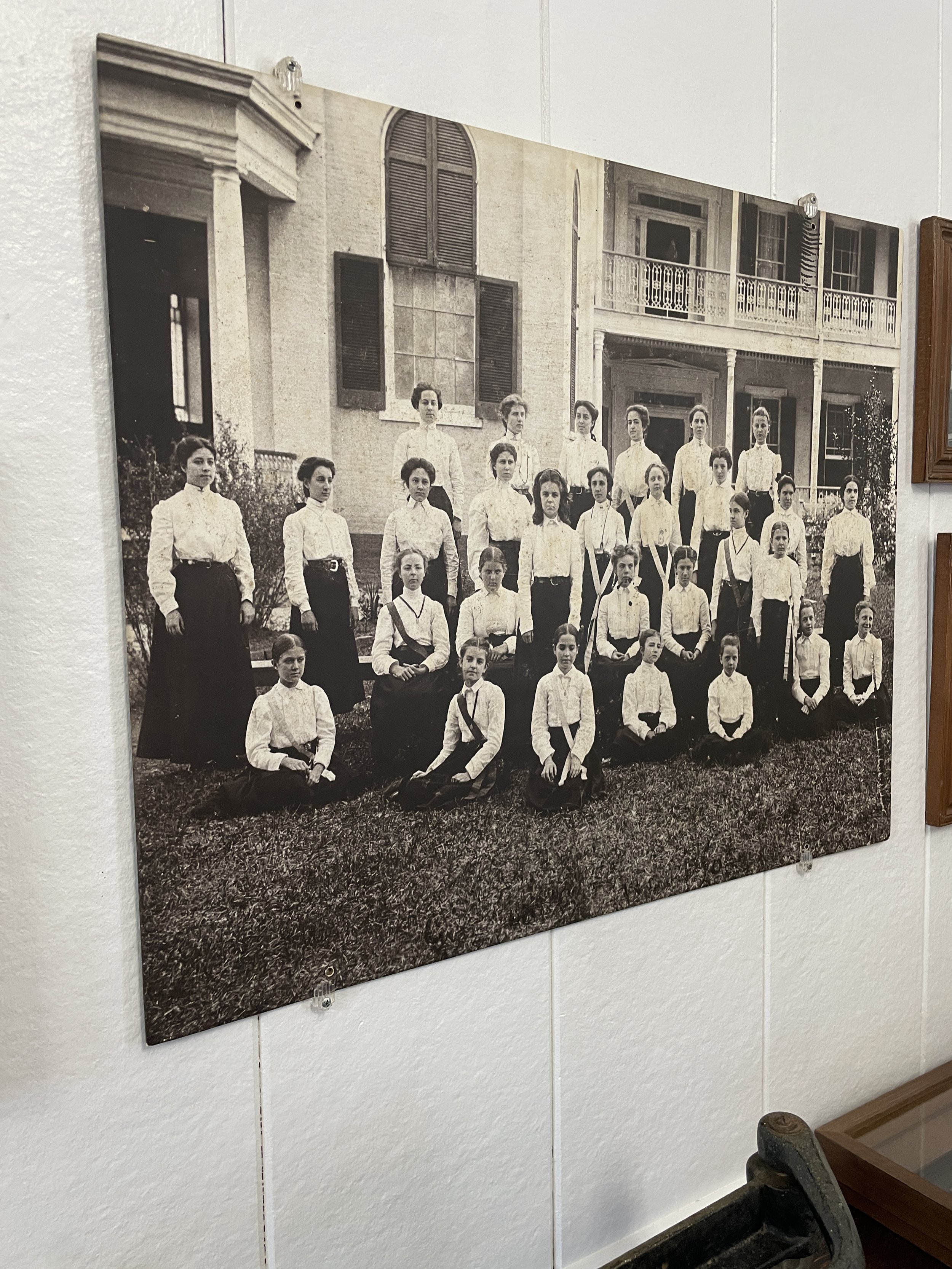
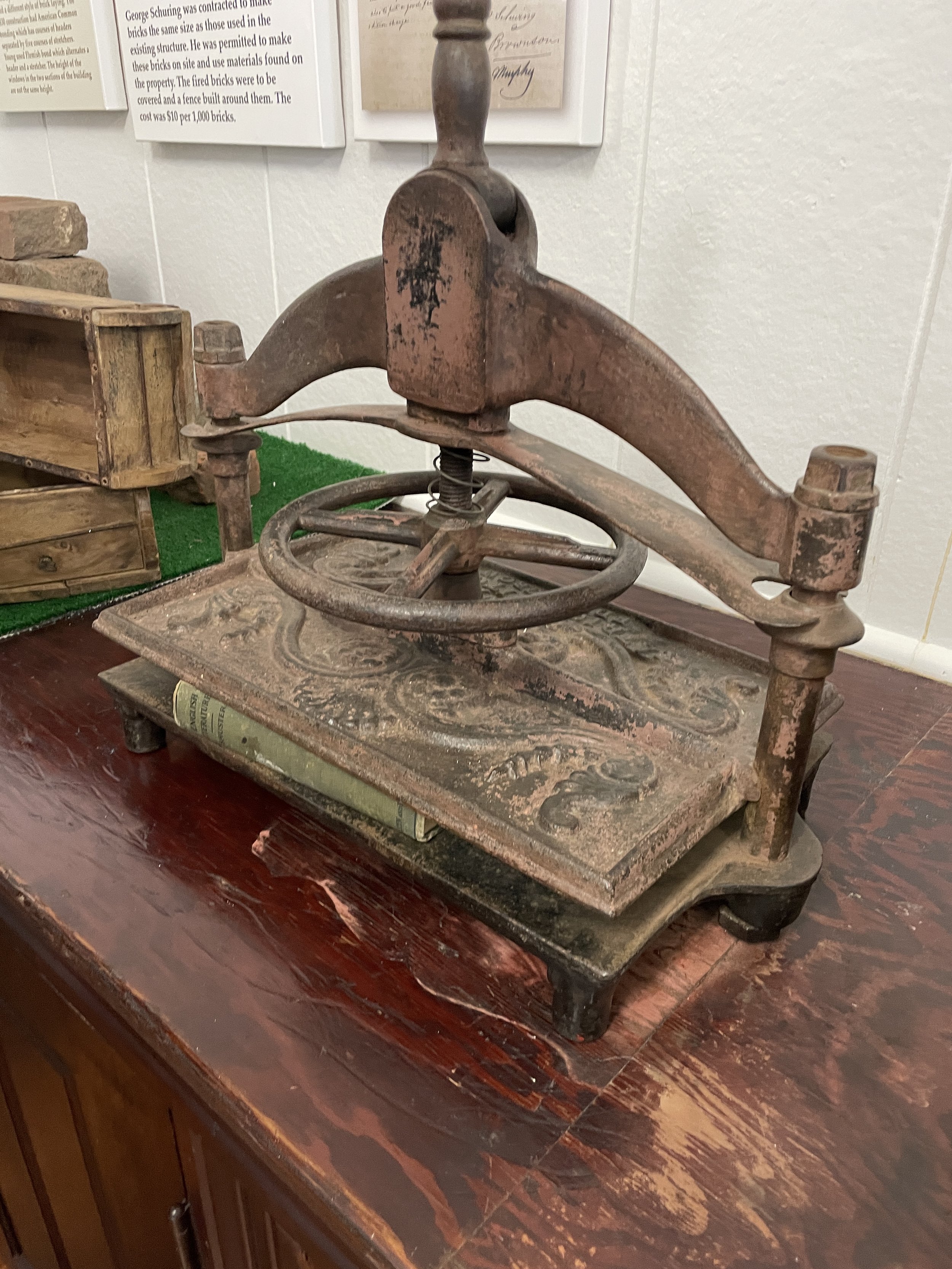
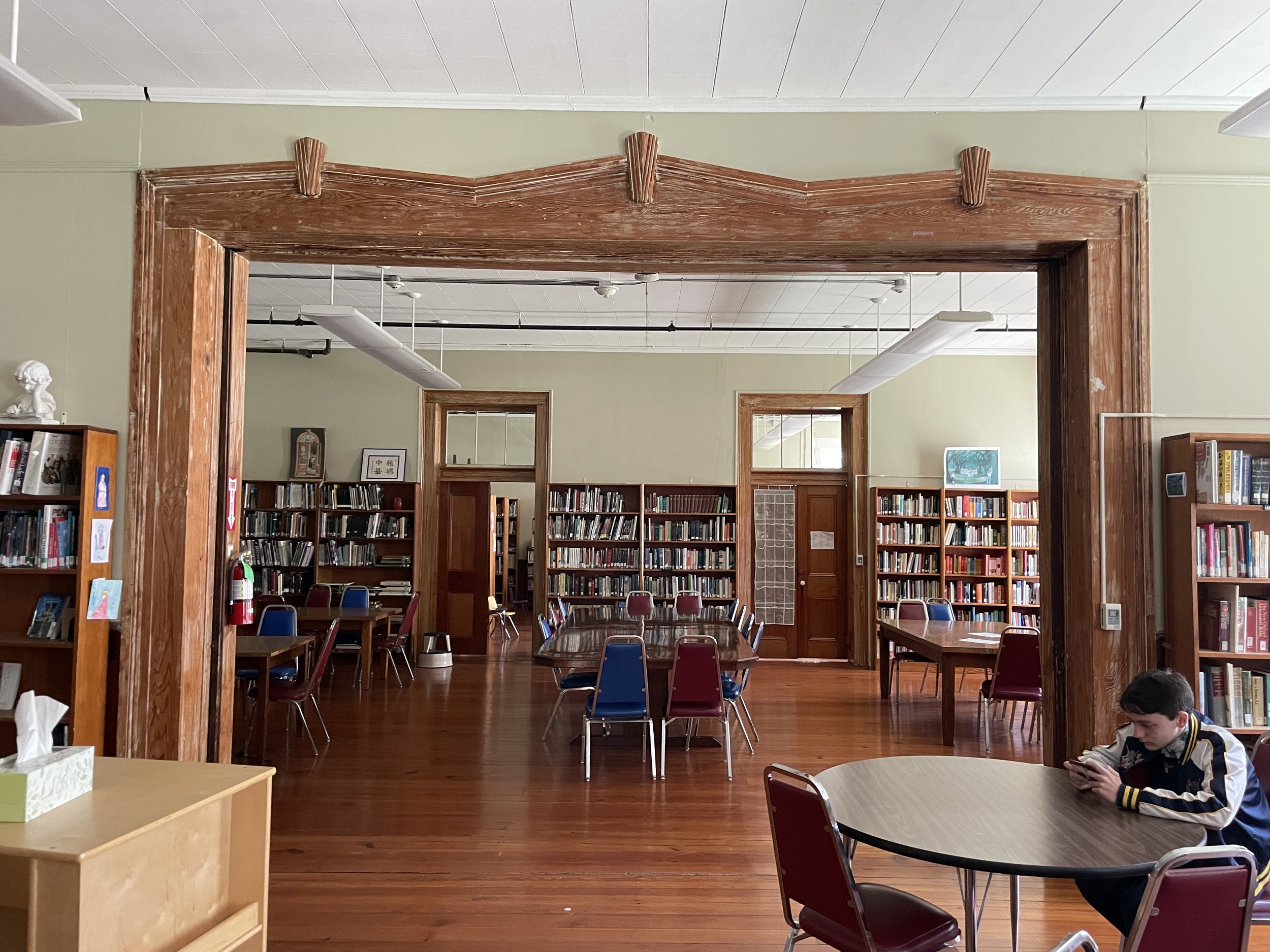
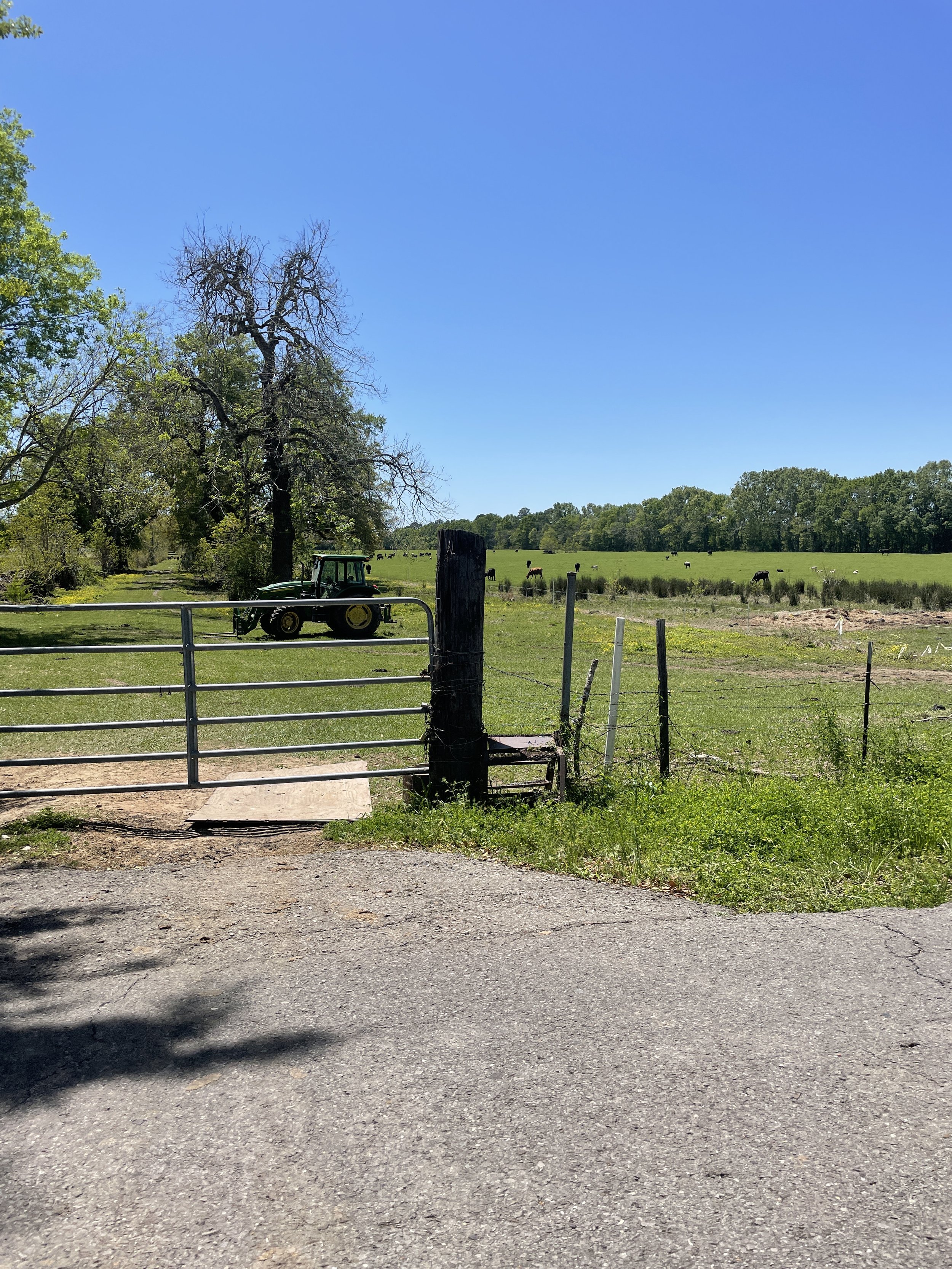
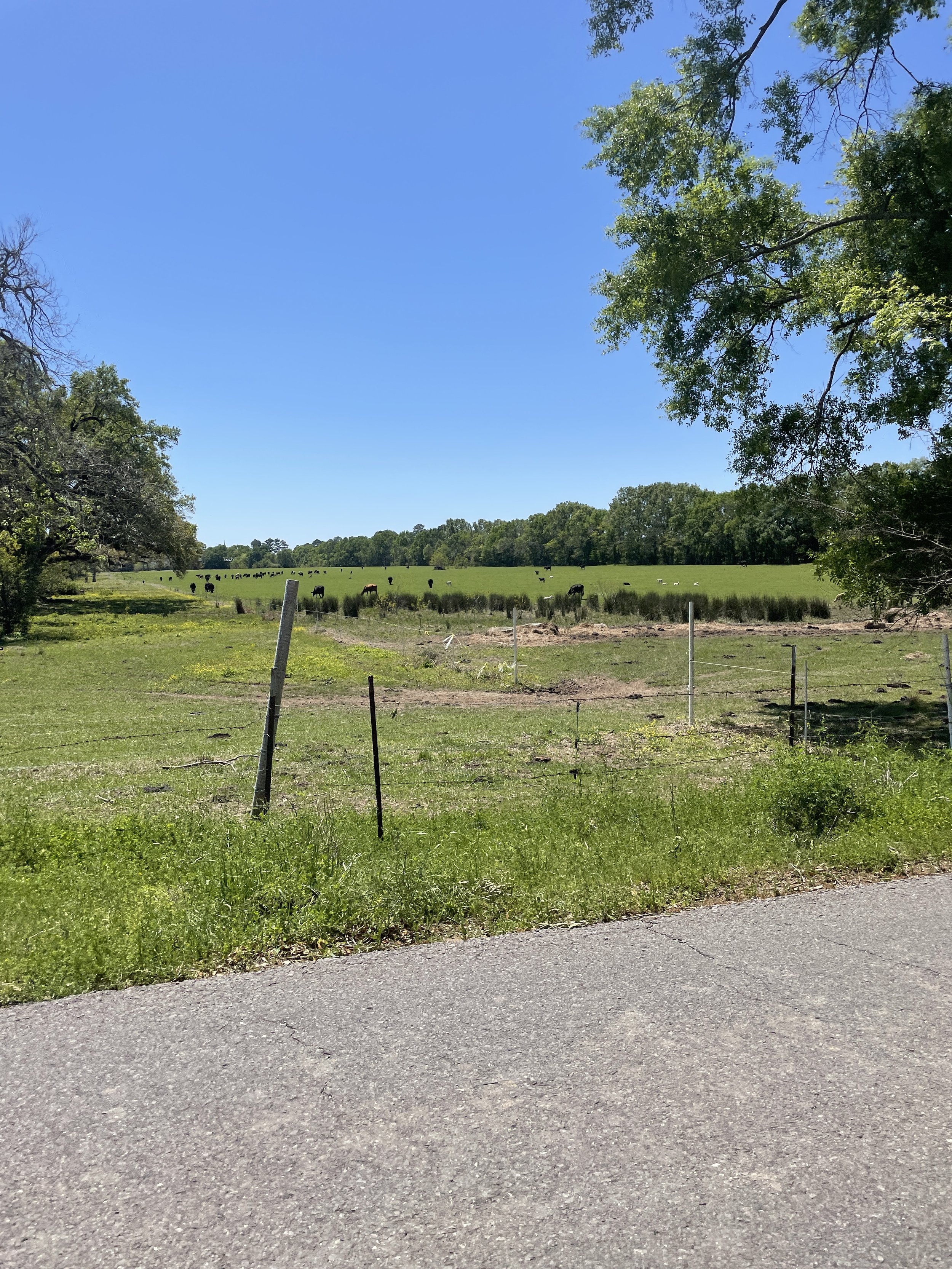
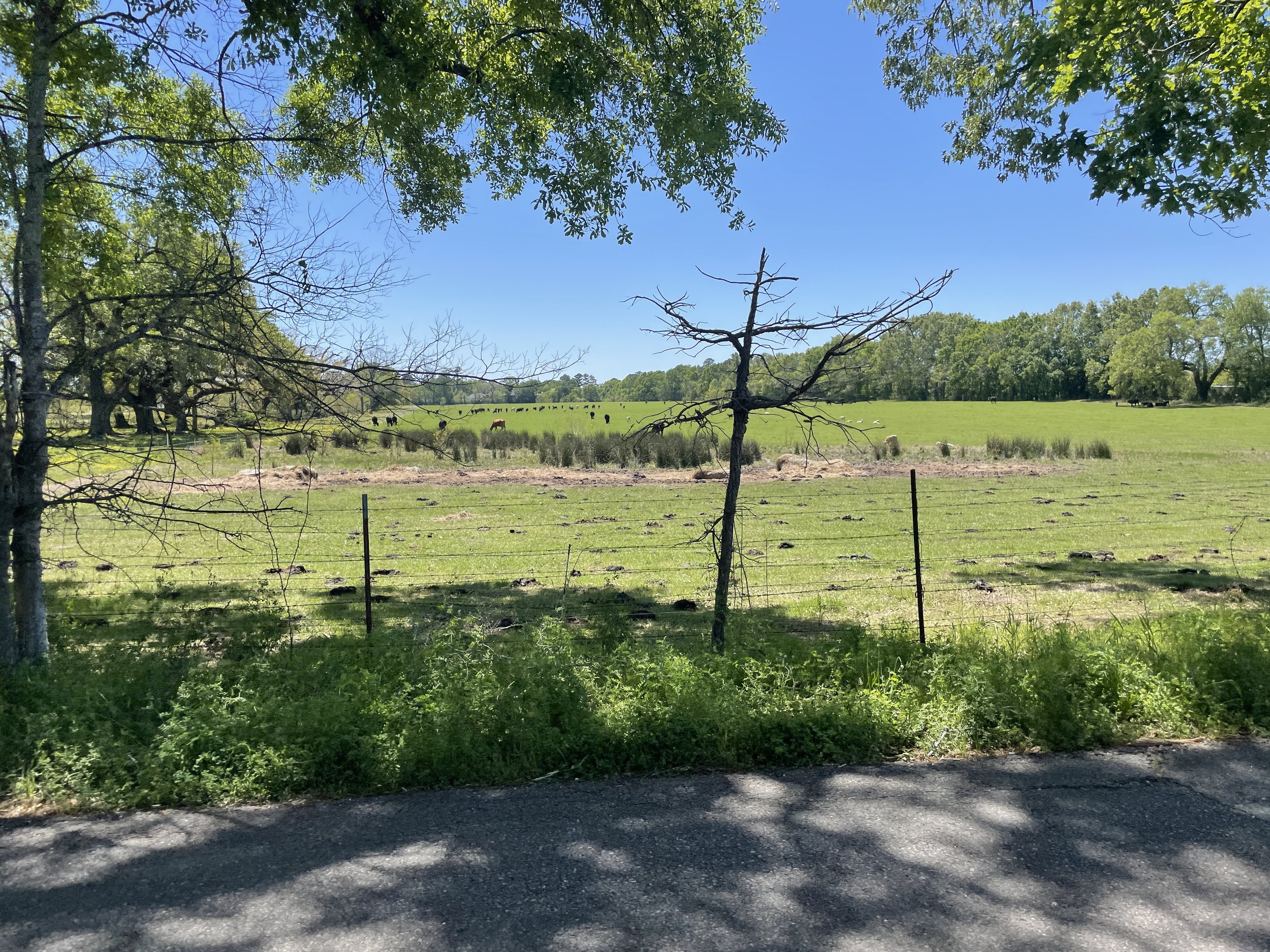
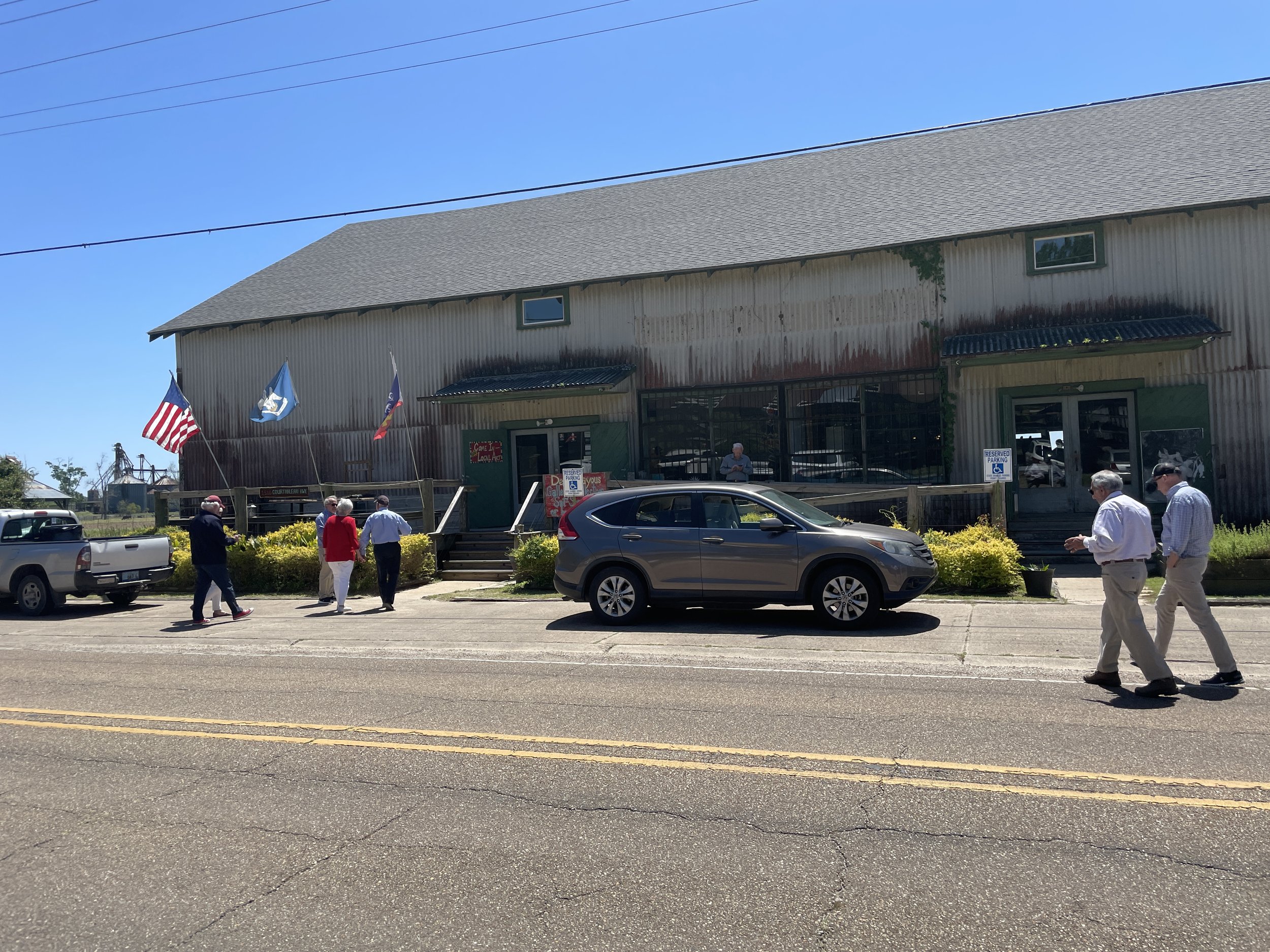
NUNU Arts and Culture Collective (2005)
ABOUT: What is today the NUNU Arts and Culture Collective, was at first a 2005 business venture by visual artist George Marks and his nephew Jeremy Rivette. A means to create studio work space while establishing a venue for the promotion of local art. That it would become a generator of creative placemaking, a lodestone of Louisiana French language and culture, inspire a rural art movement and prove itself to be an economic development driver, was unseen and unexpected.
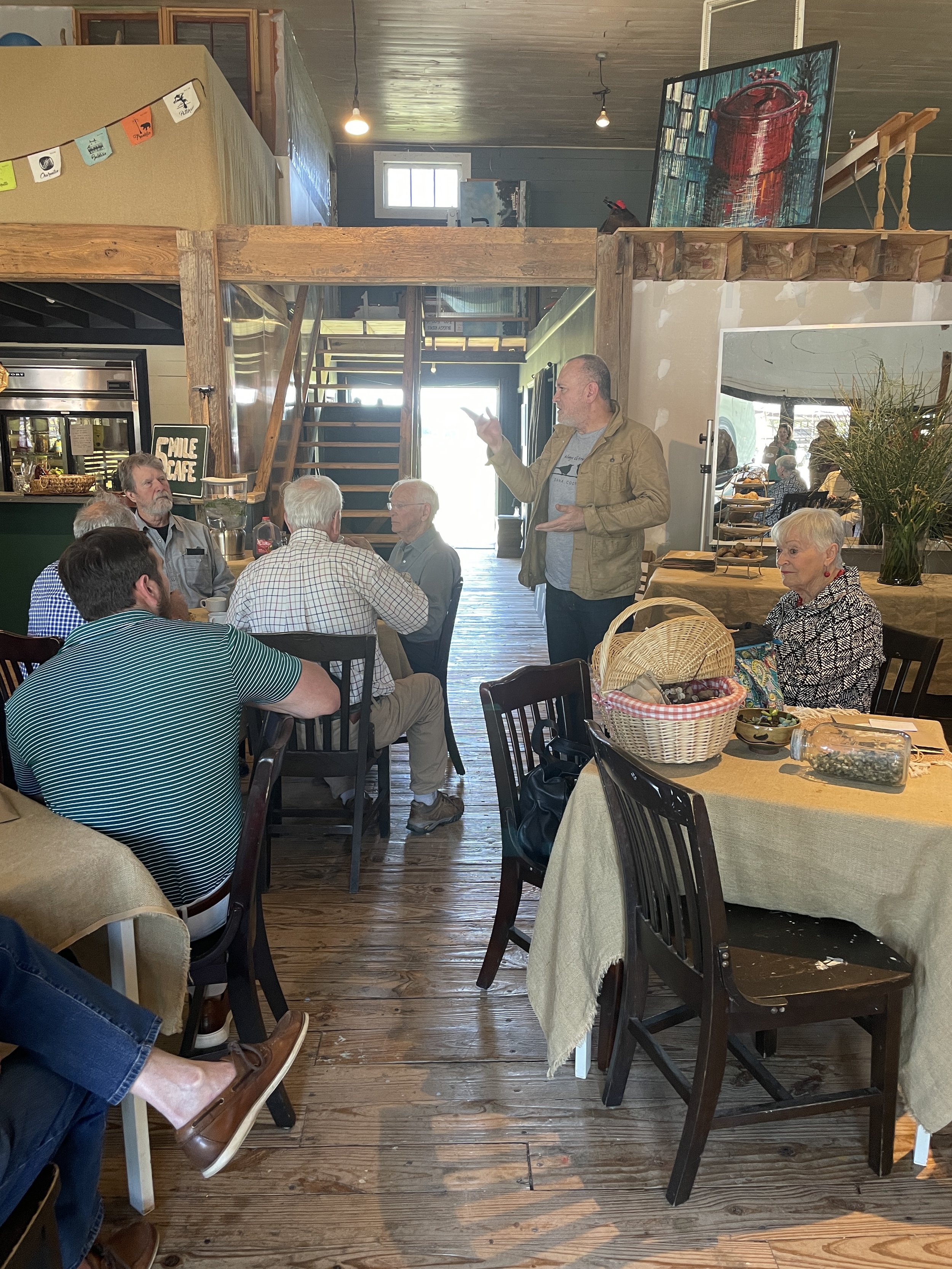
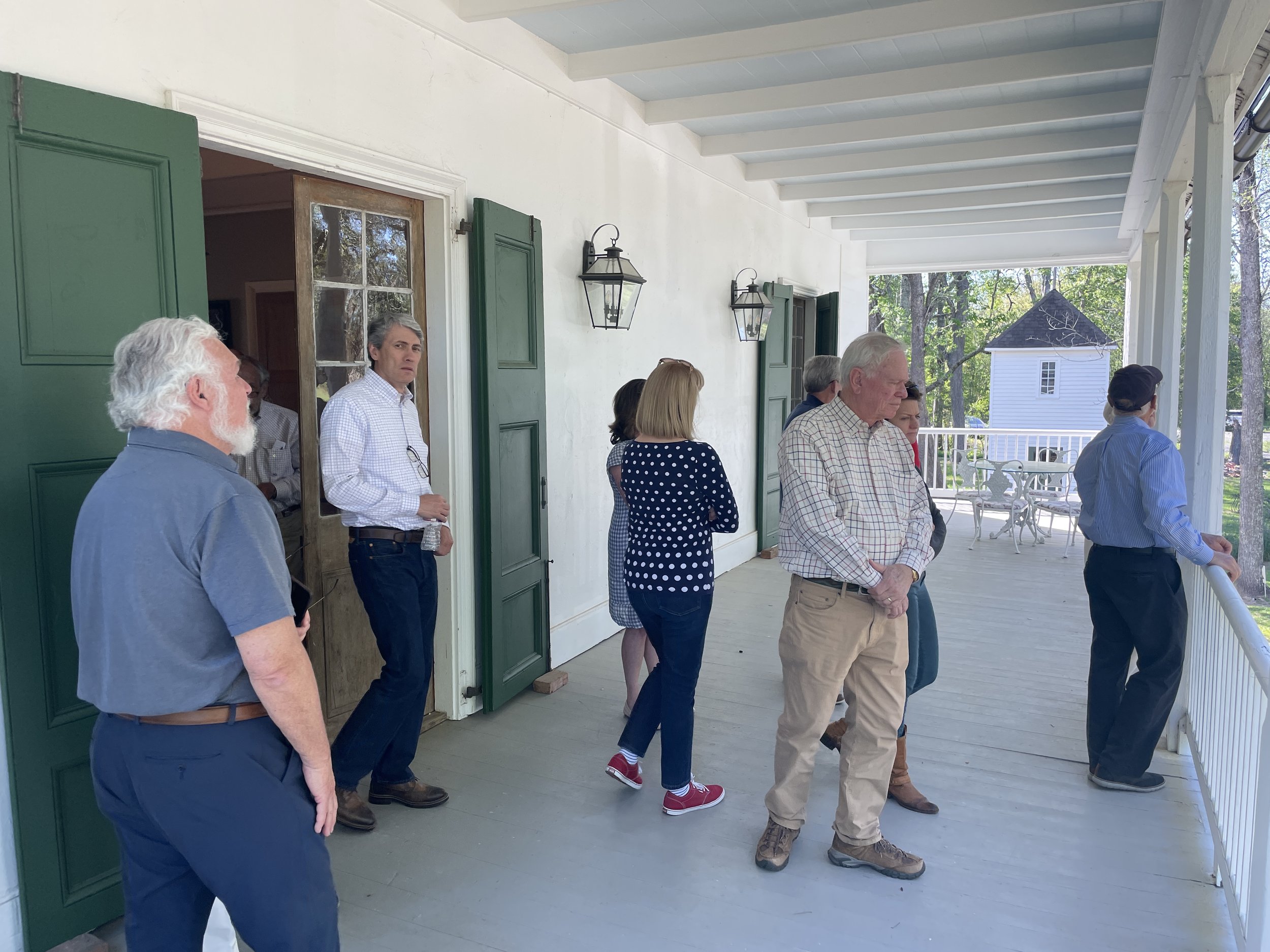
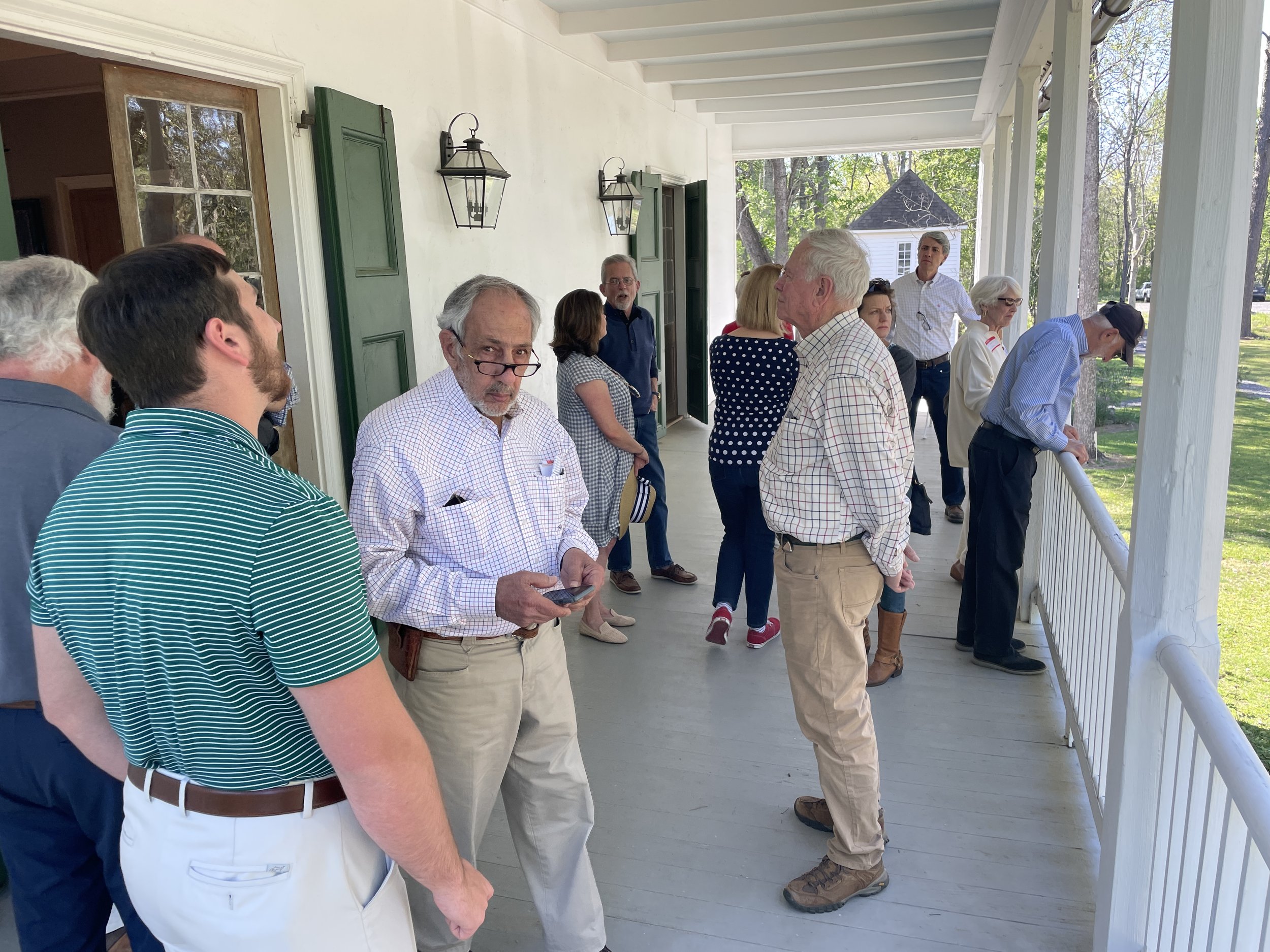
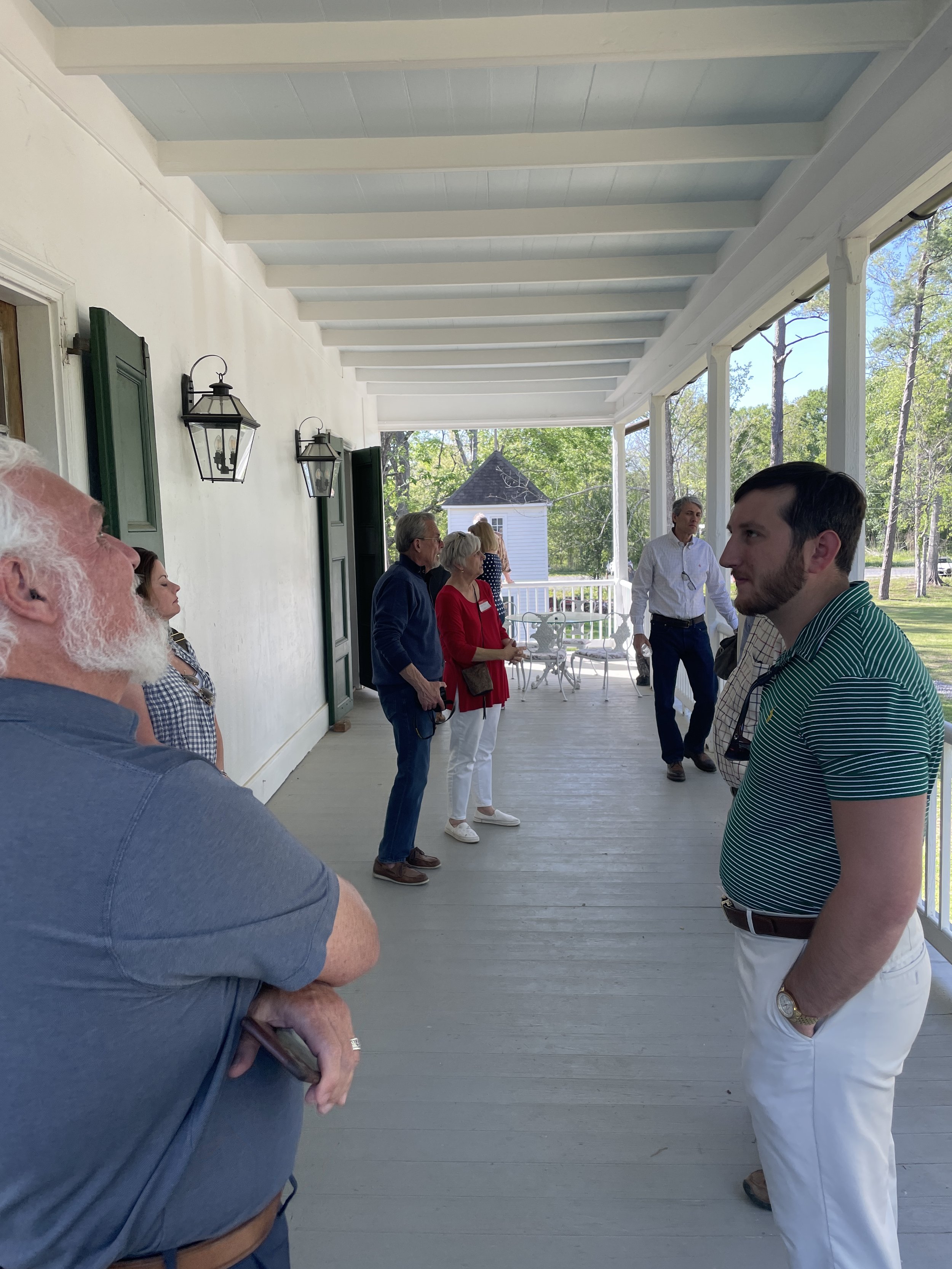
FORAY: We gathered at the salon, and reviewed art work at the NUNU Art and Culture Collective. Complimentary coffee, hot tea, cold tea, and water was sponsored by the Kitchen Shop and the NUNU Arts and Culture Collective. The Interim-Director George Marks, a contemporary visual artist and social sculptor living and working in Arnaudville, La., gave us a wonderful tour and overview of NUNUs past, present collections and future endeavors! George’s body of work, influenced by an innate appreciation for the natural and evolving world, includes collections of images reflective of textures, colors and surfaces experienced.
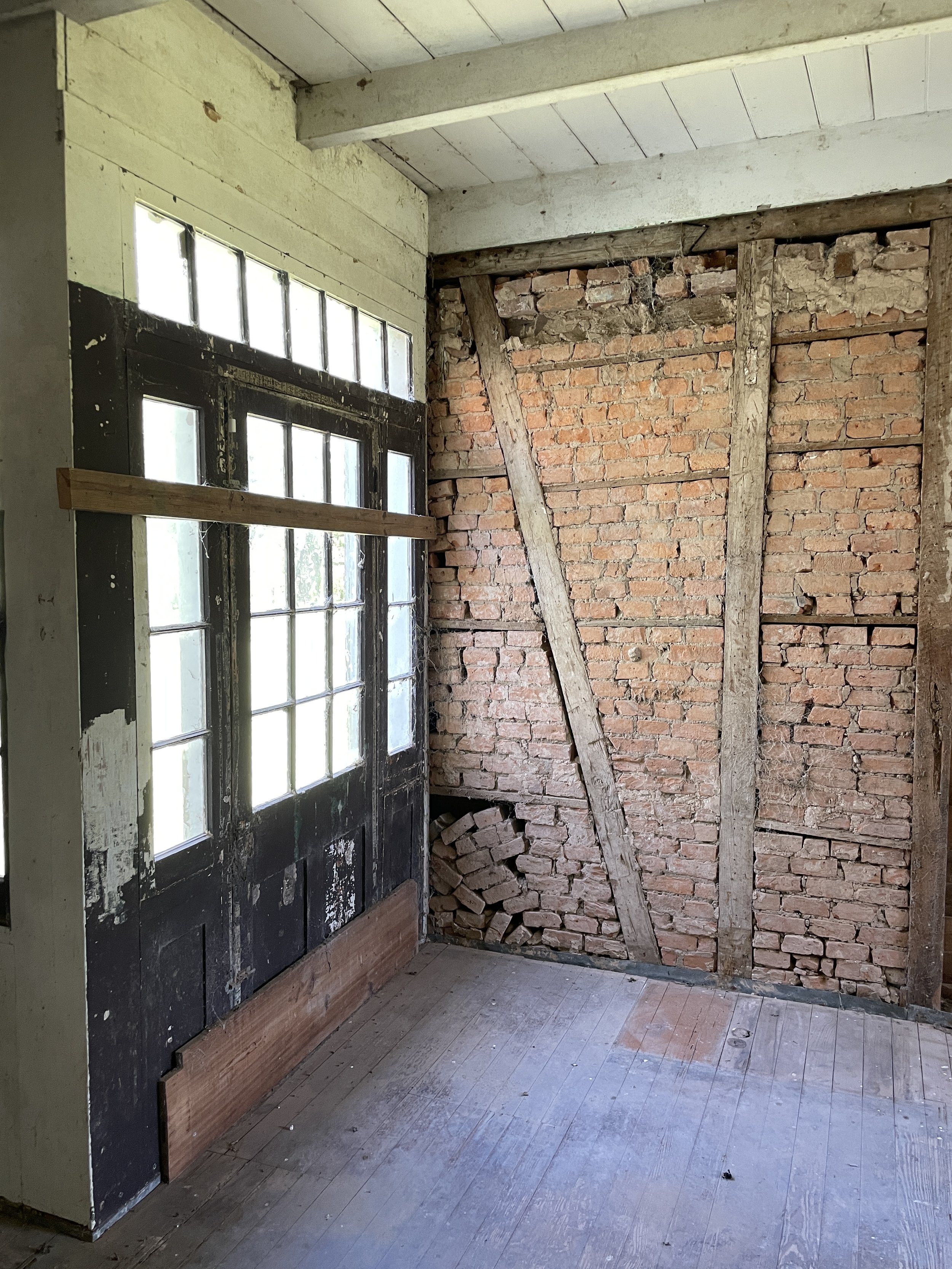
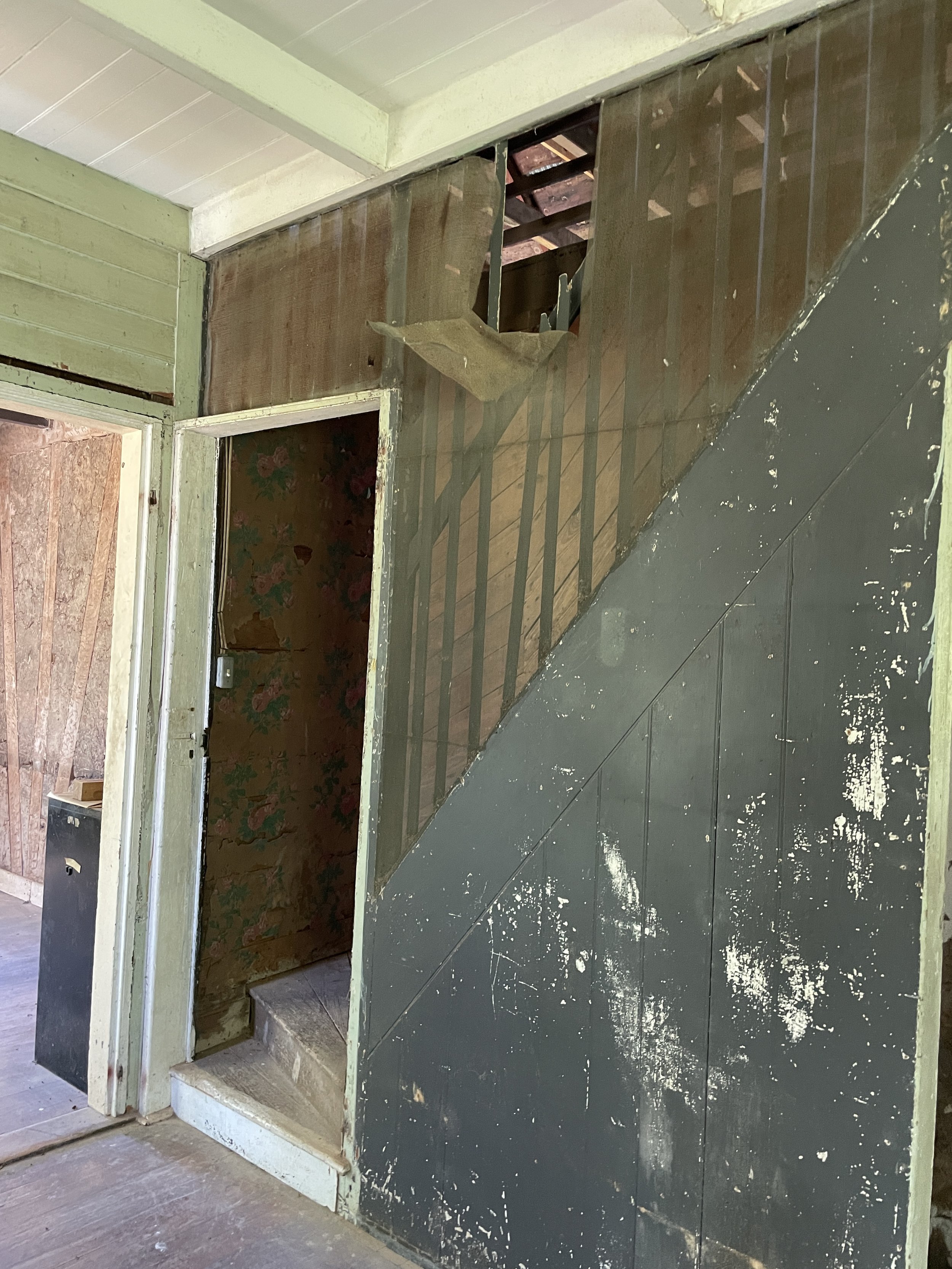
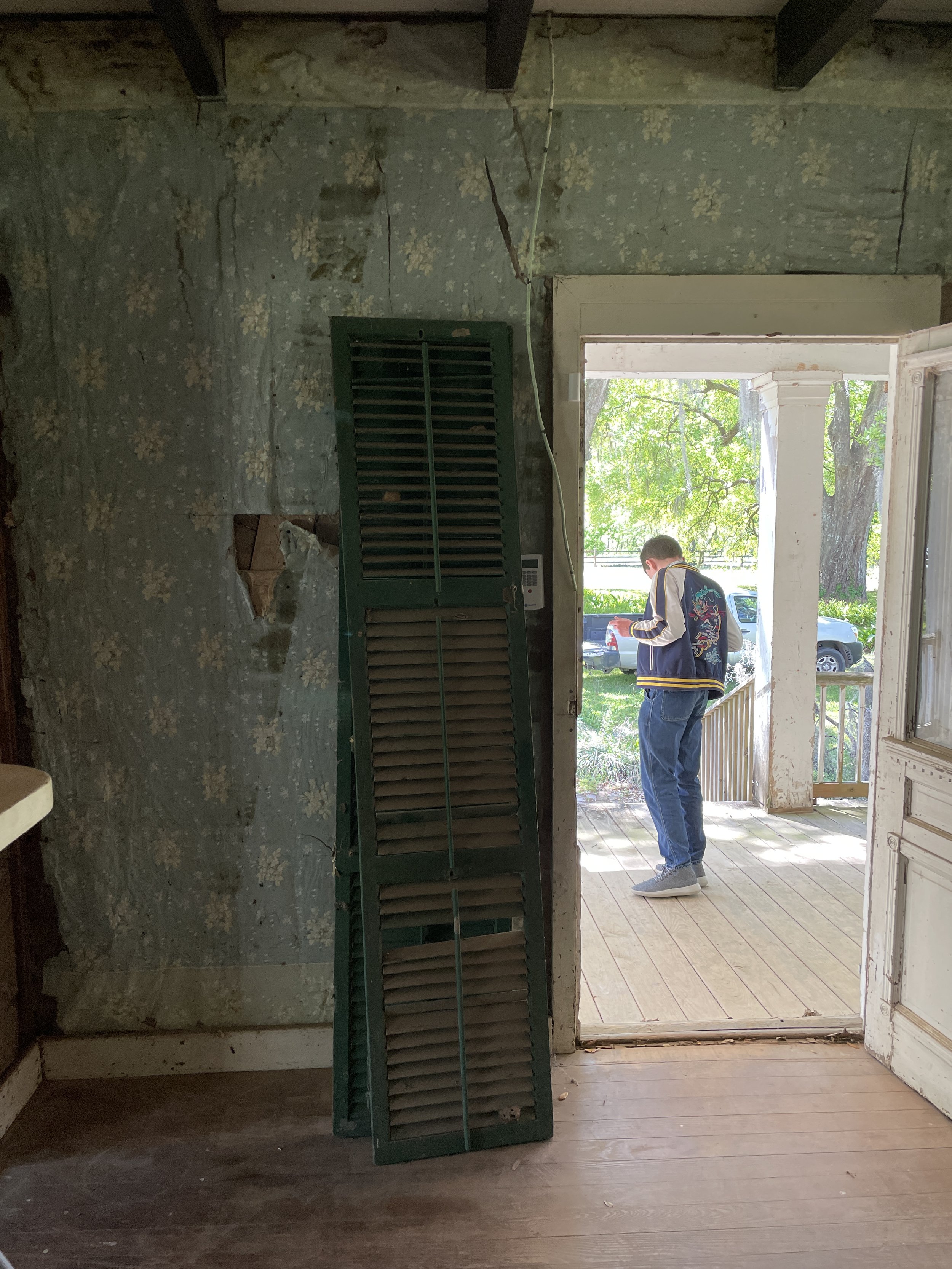
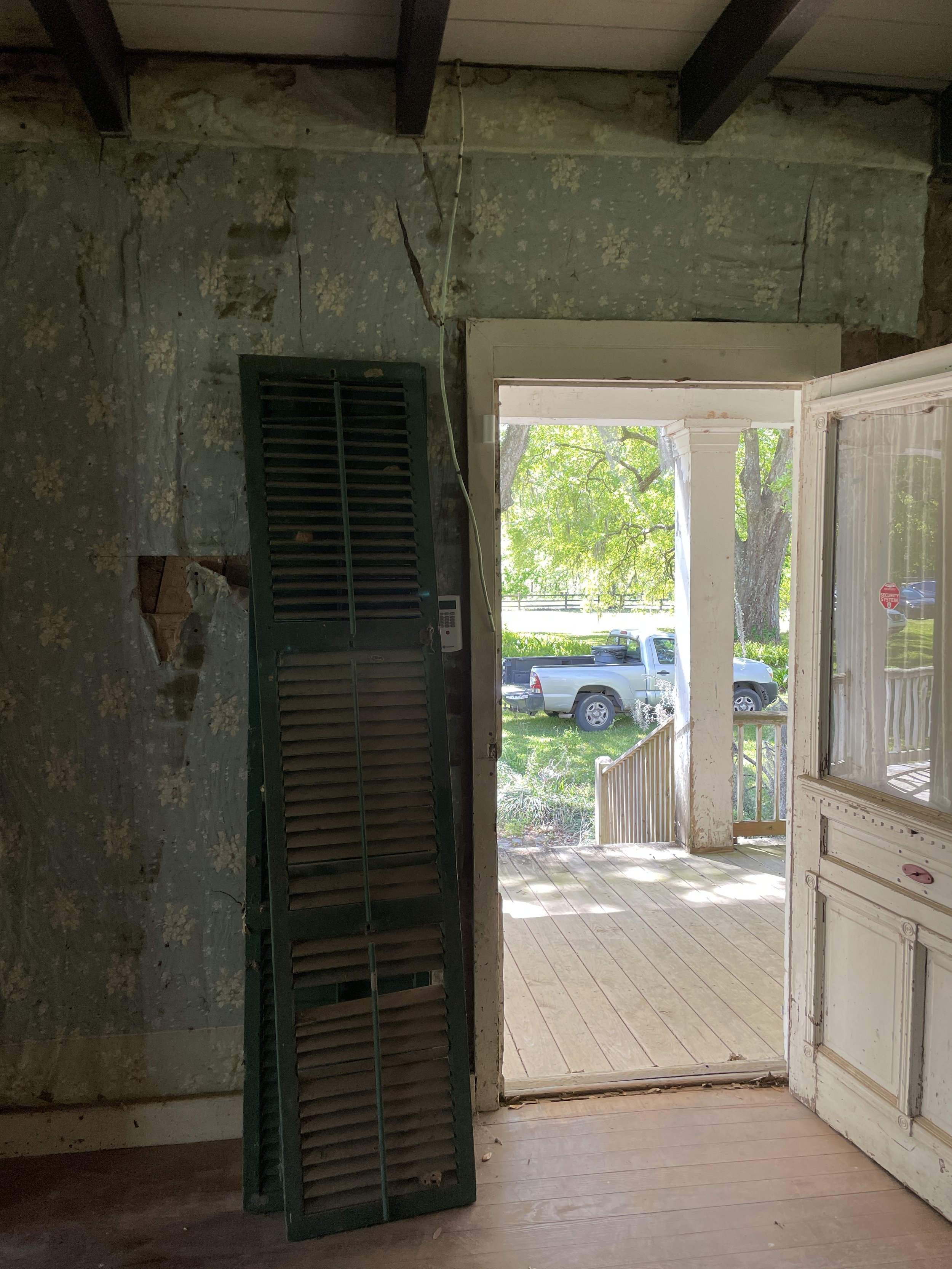
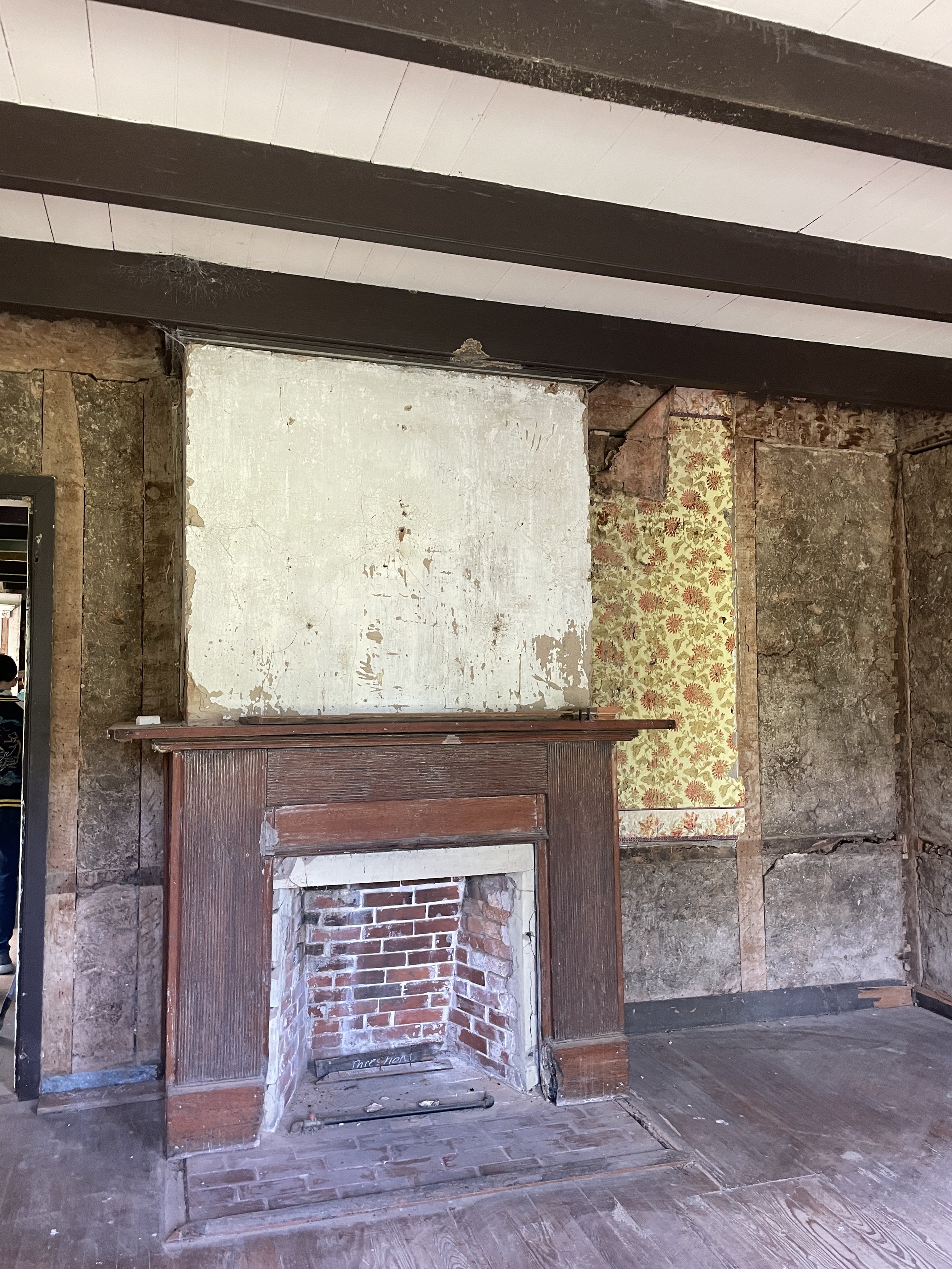
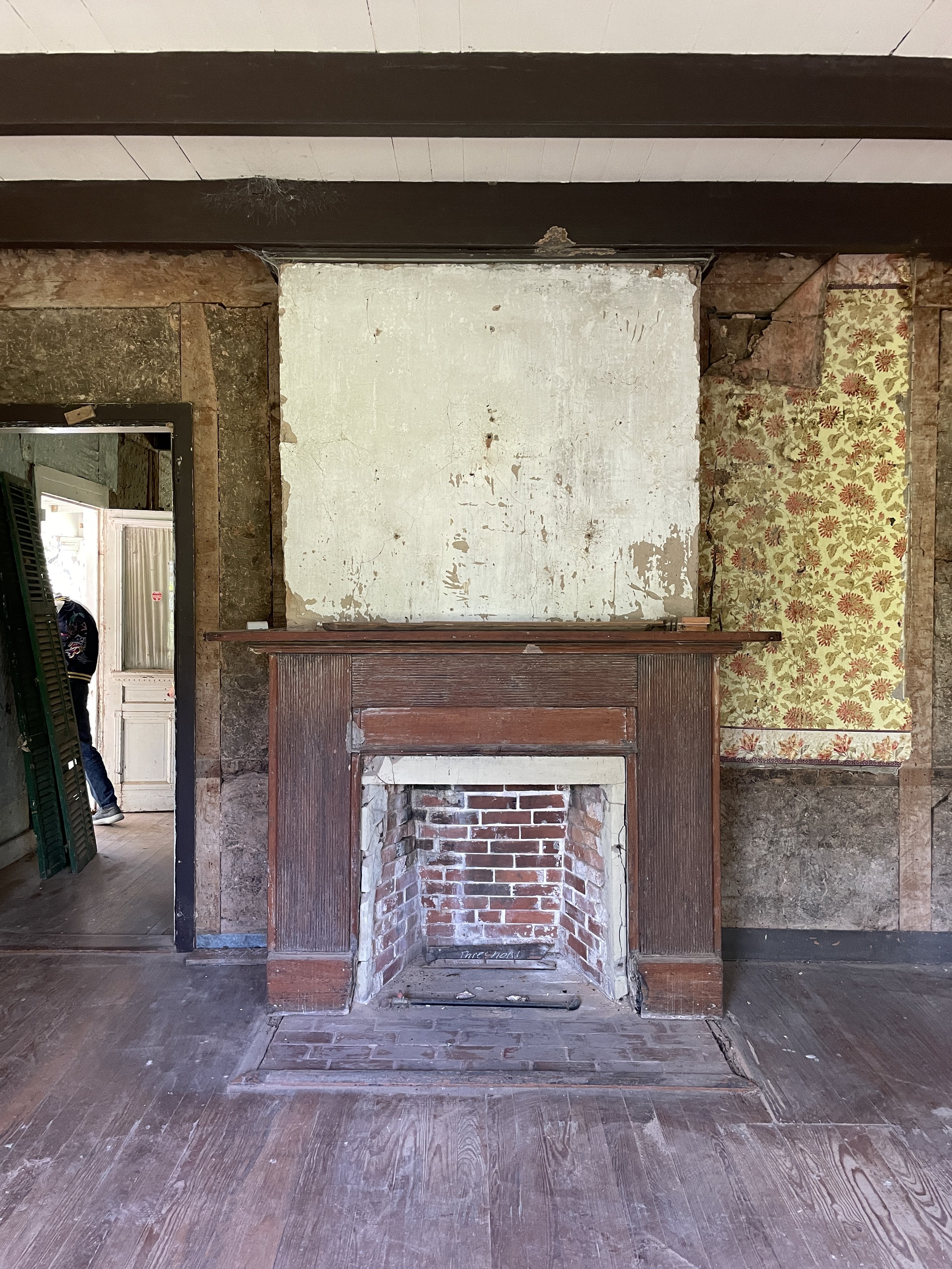
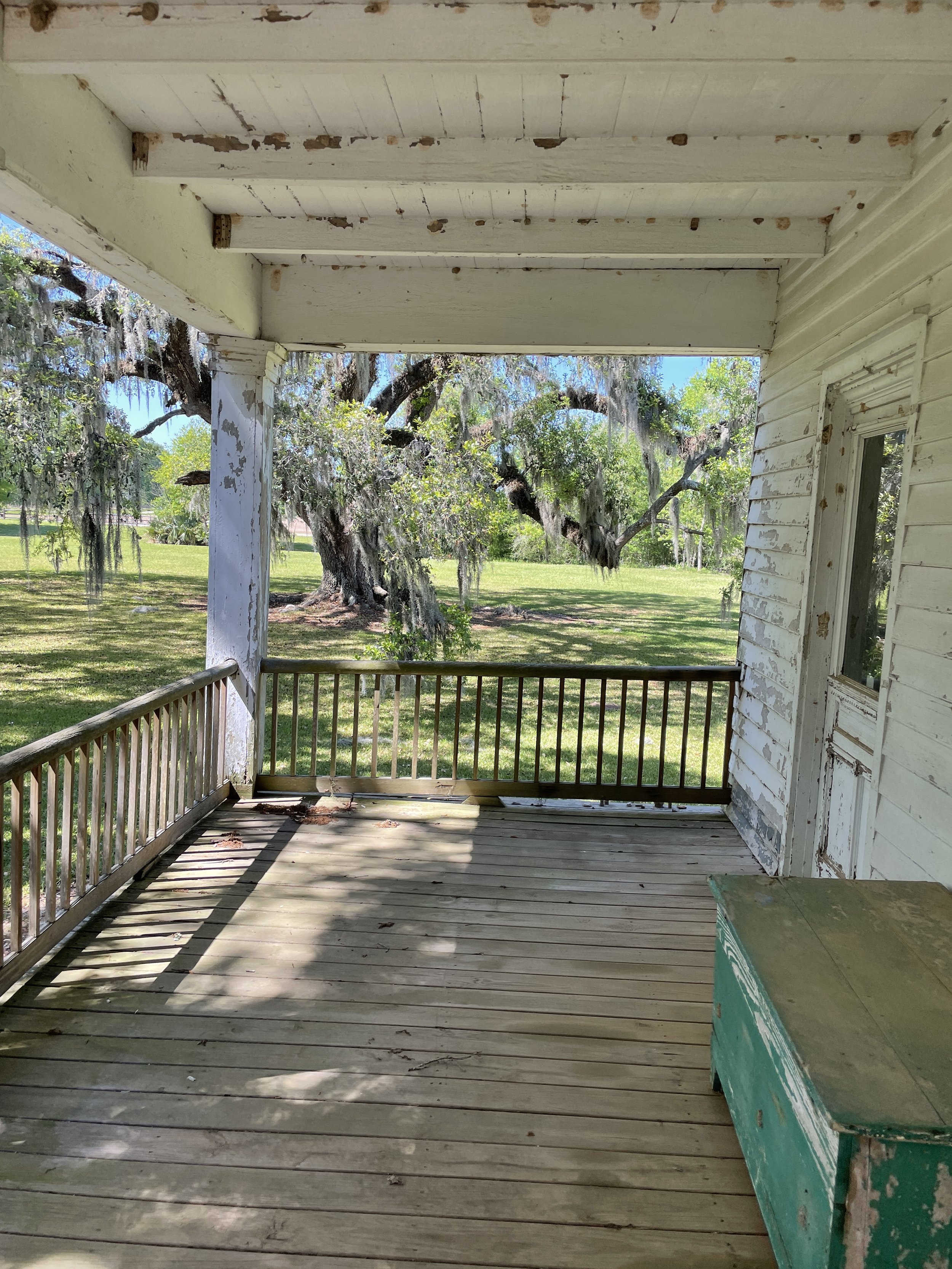
Robin Plantation House (c. 1825)
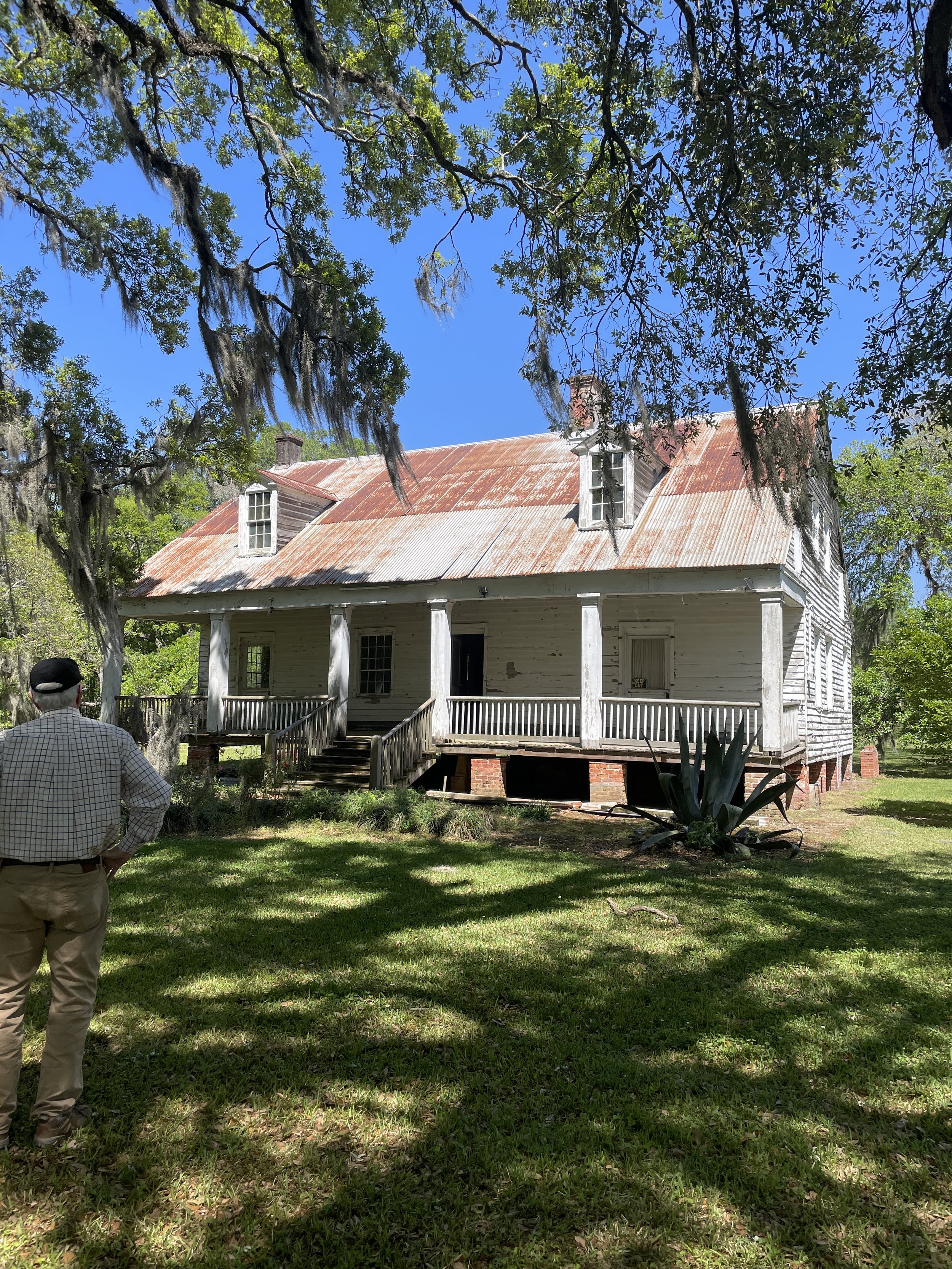
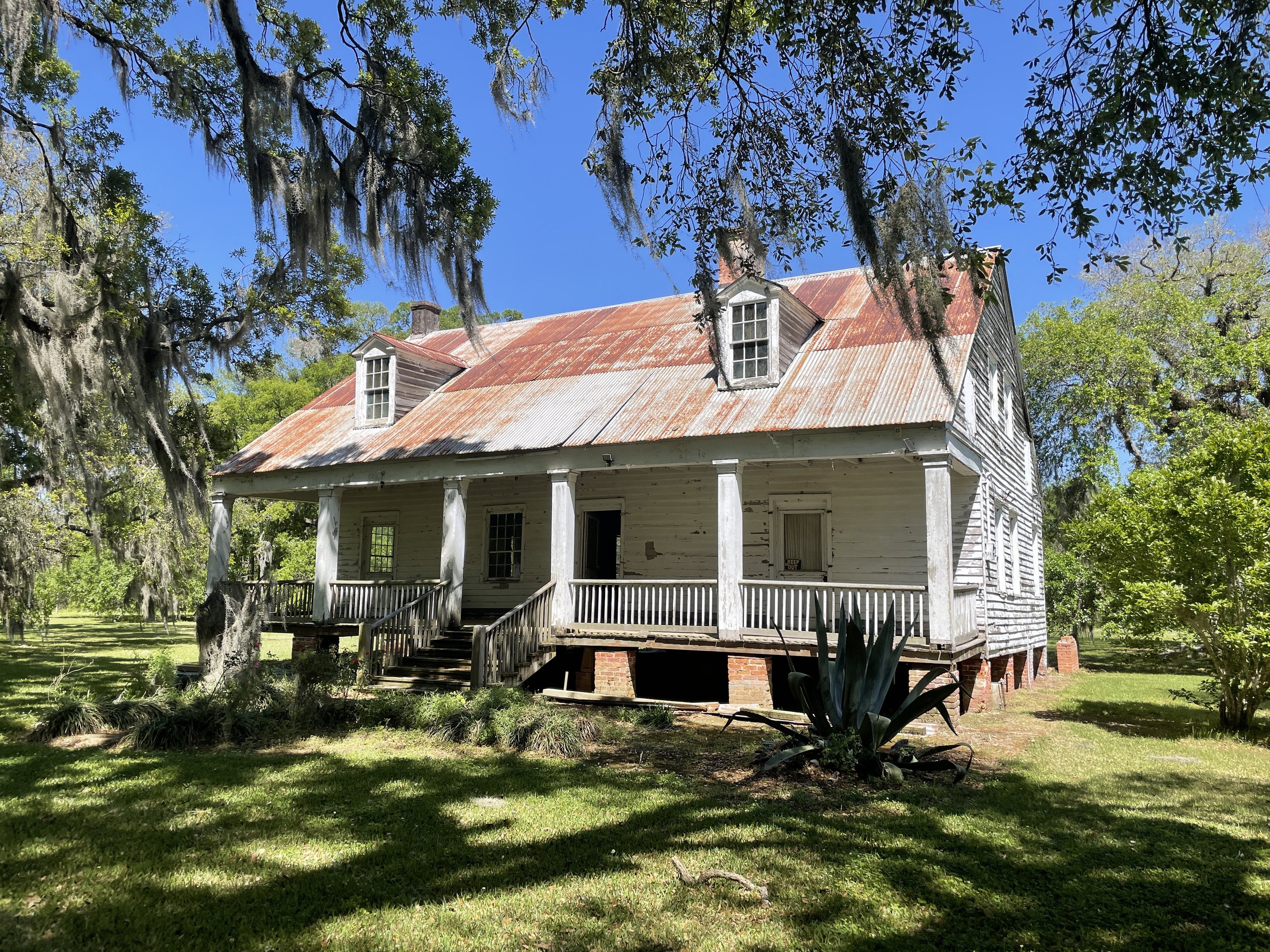
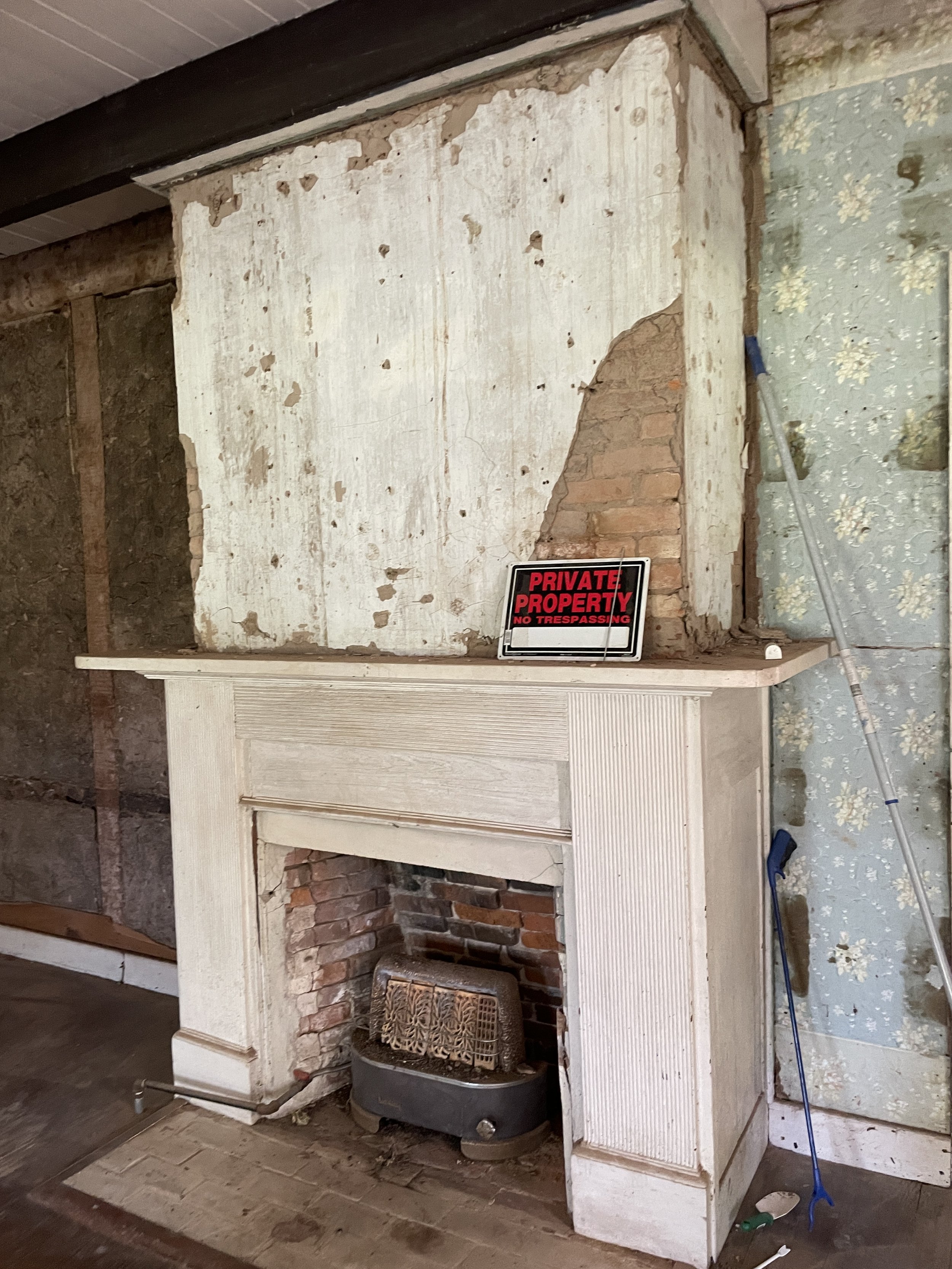
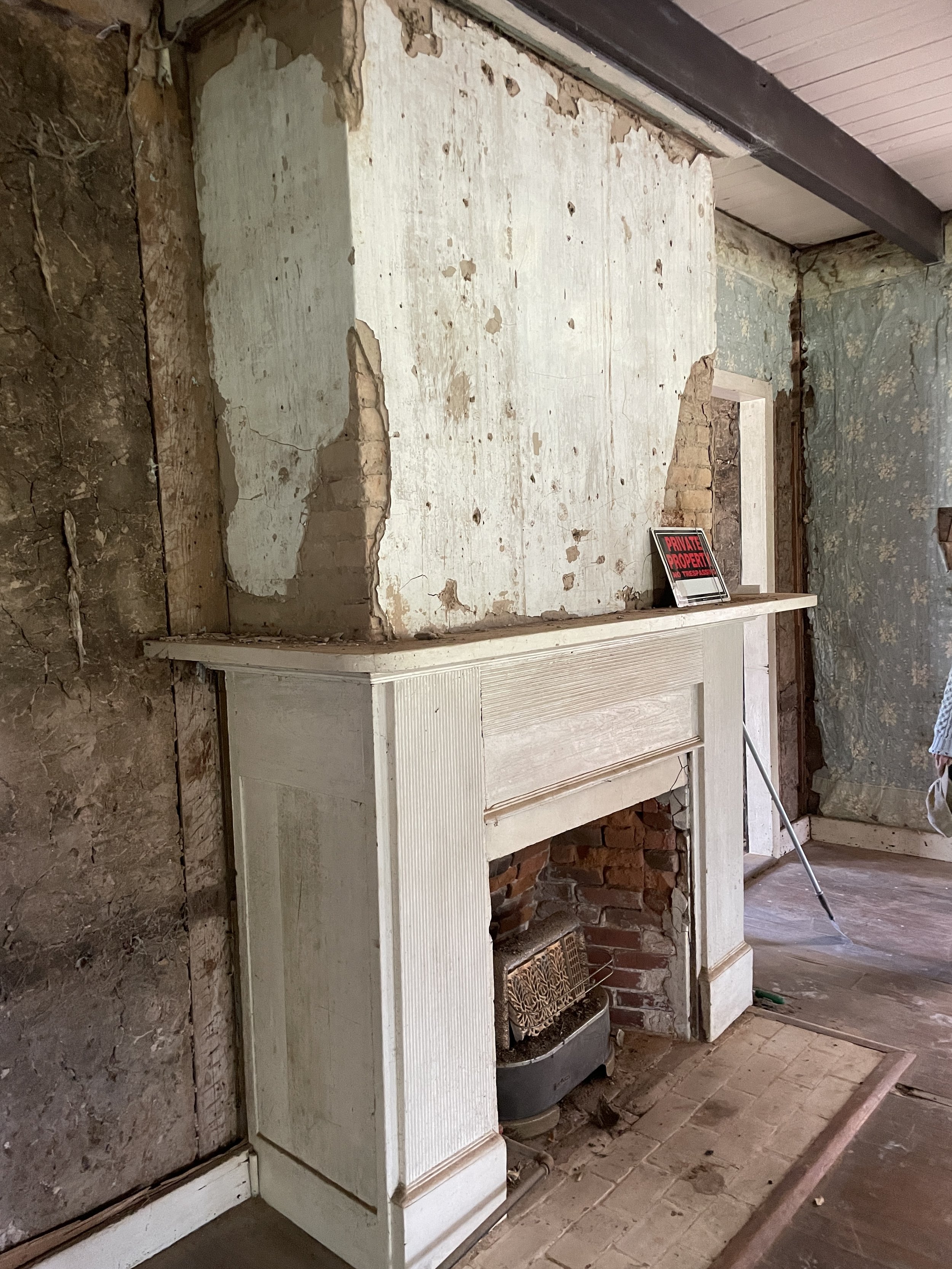
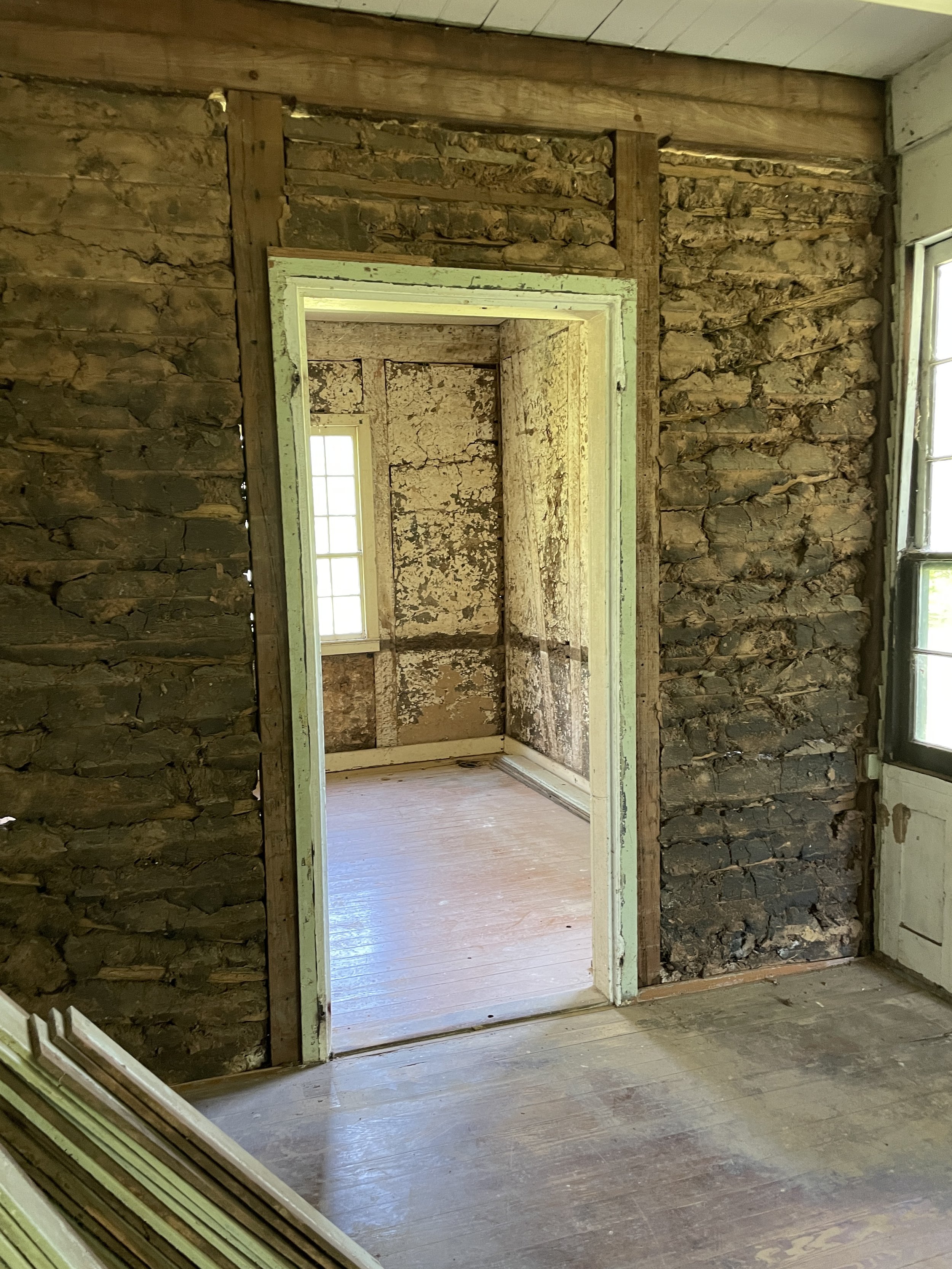
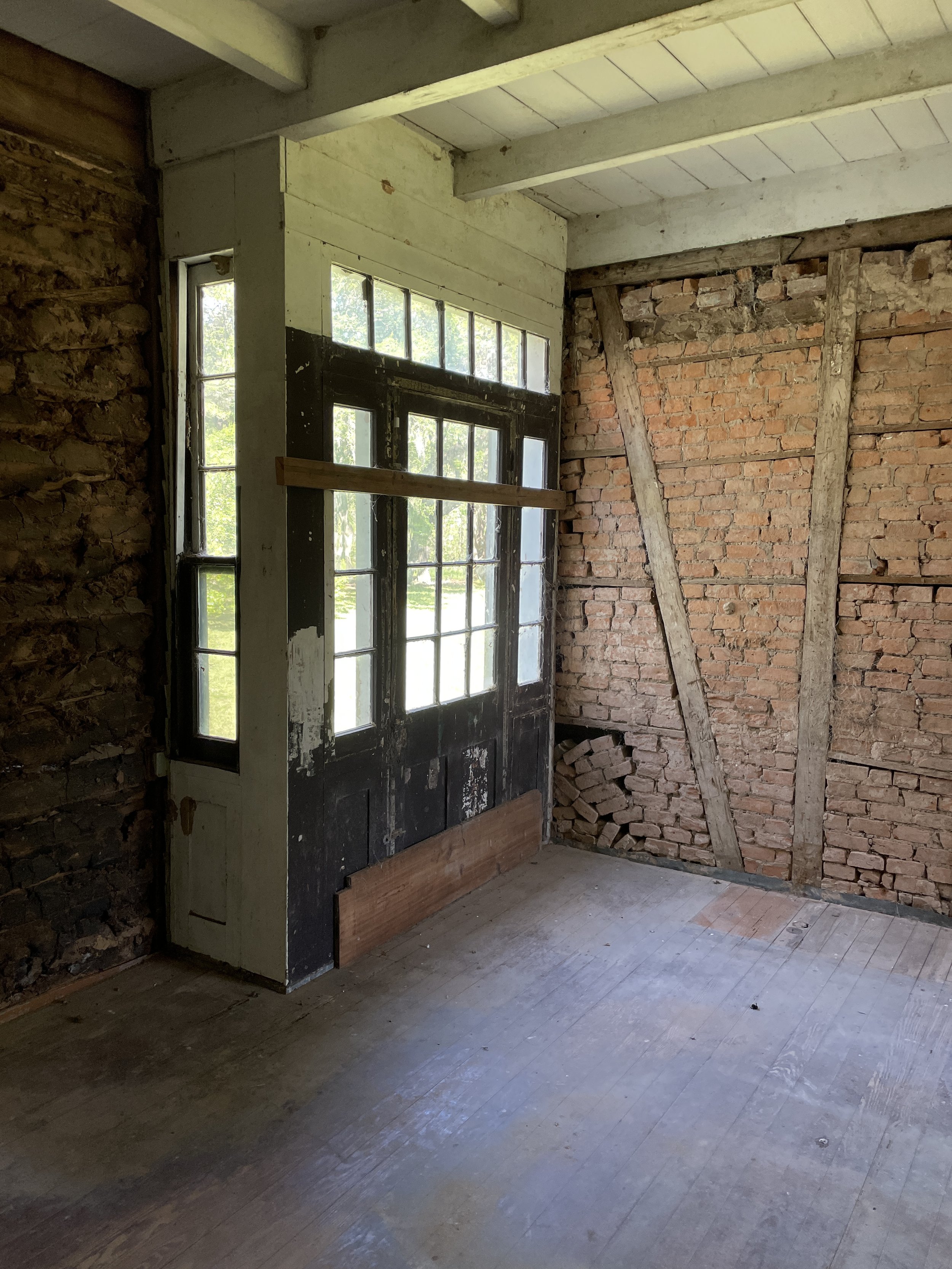
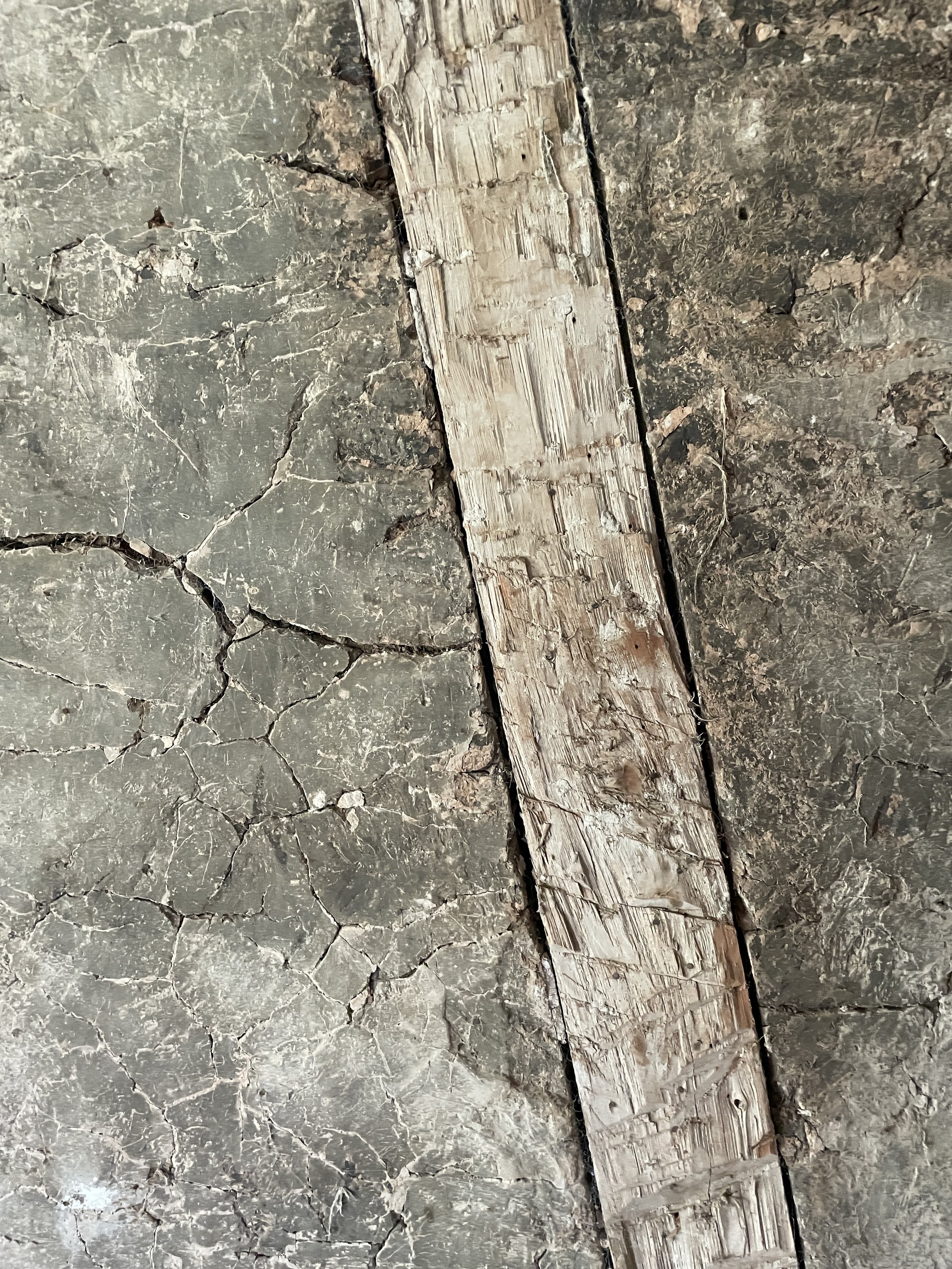
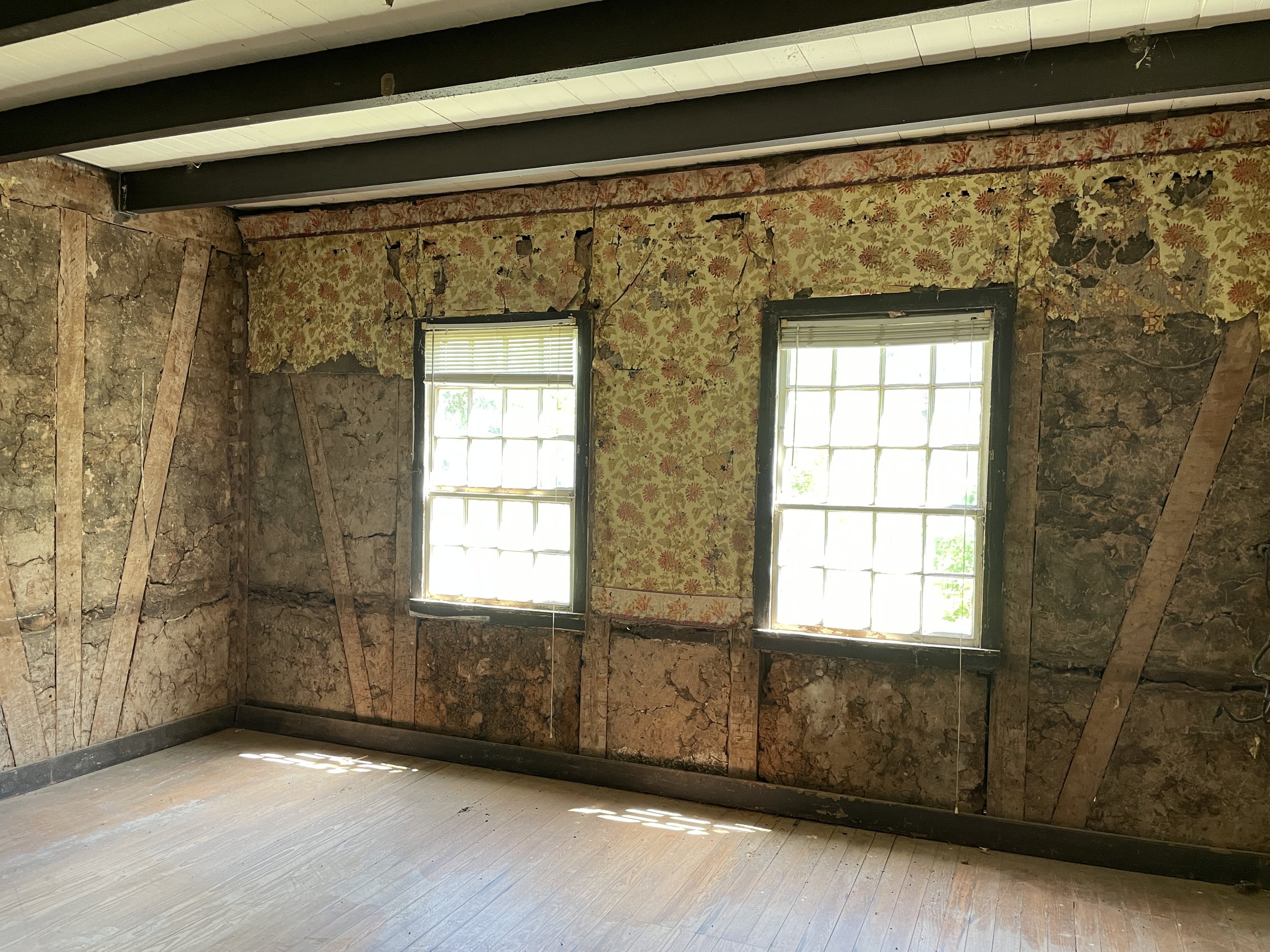
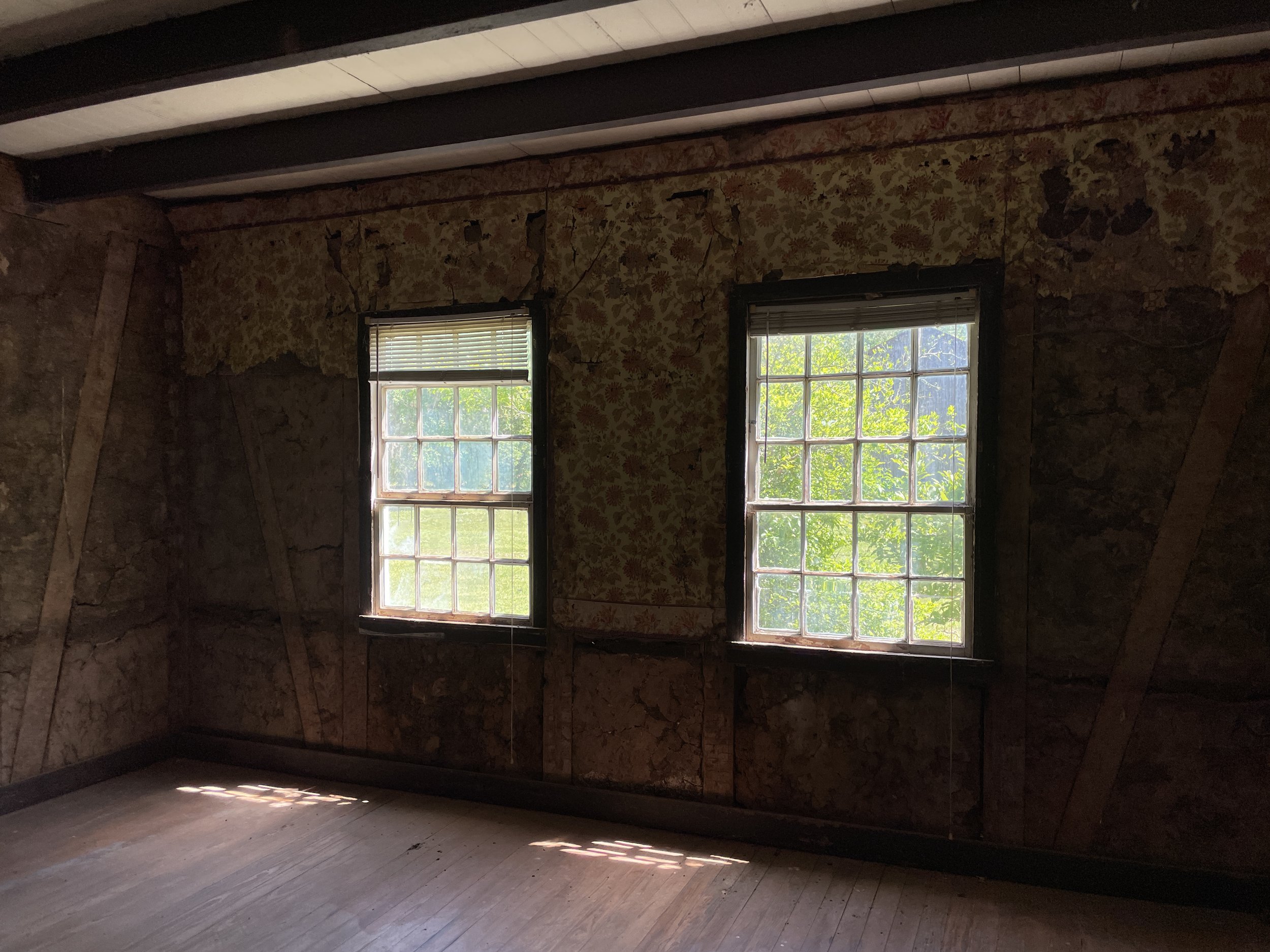
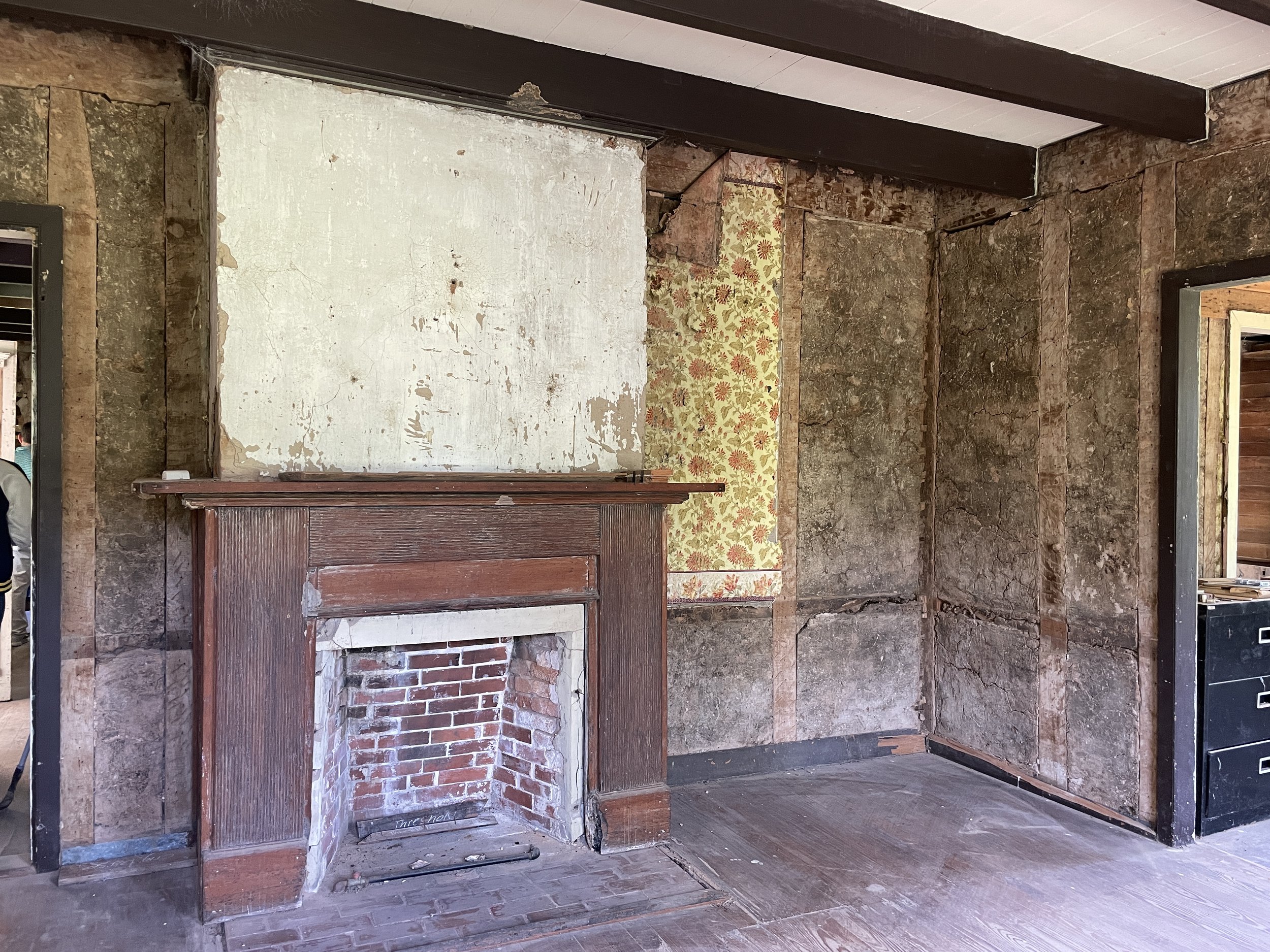
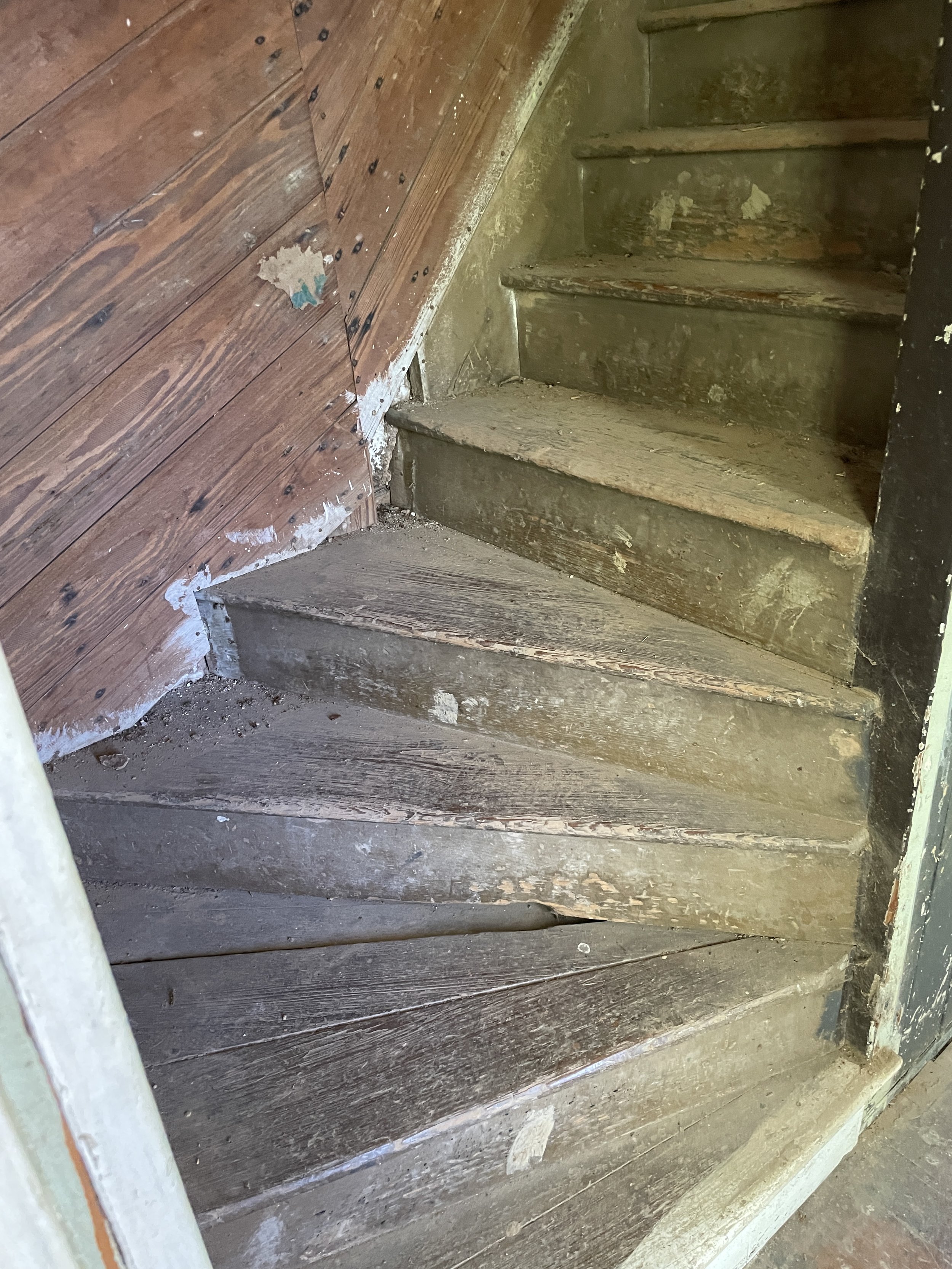
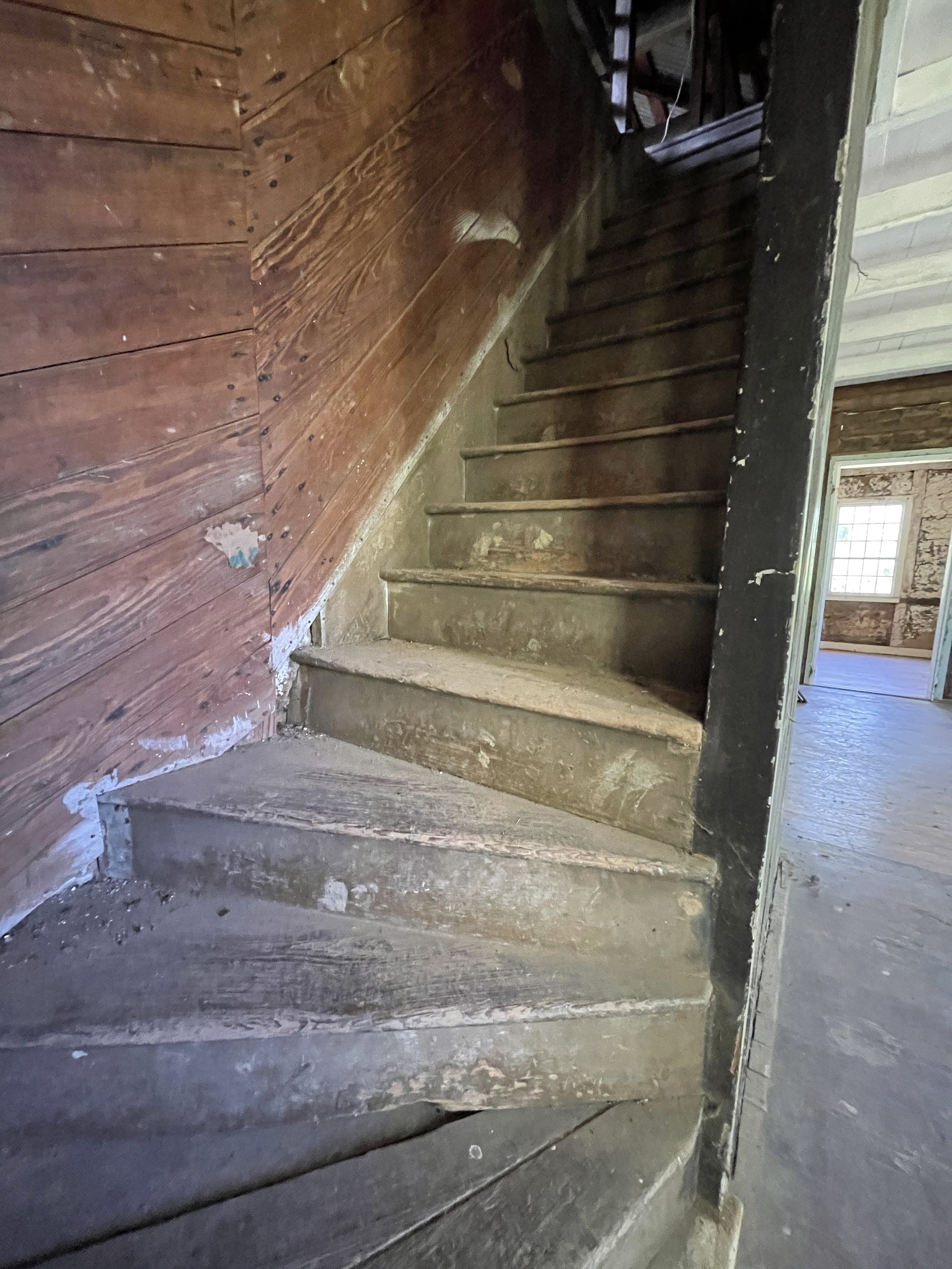
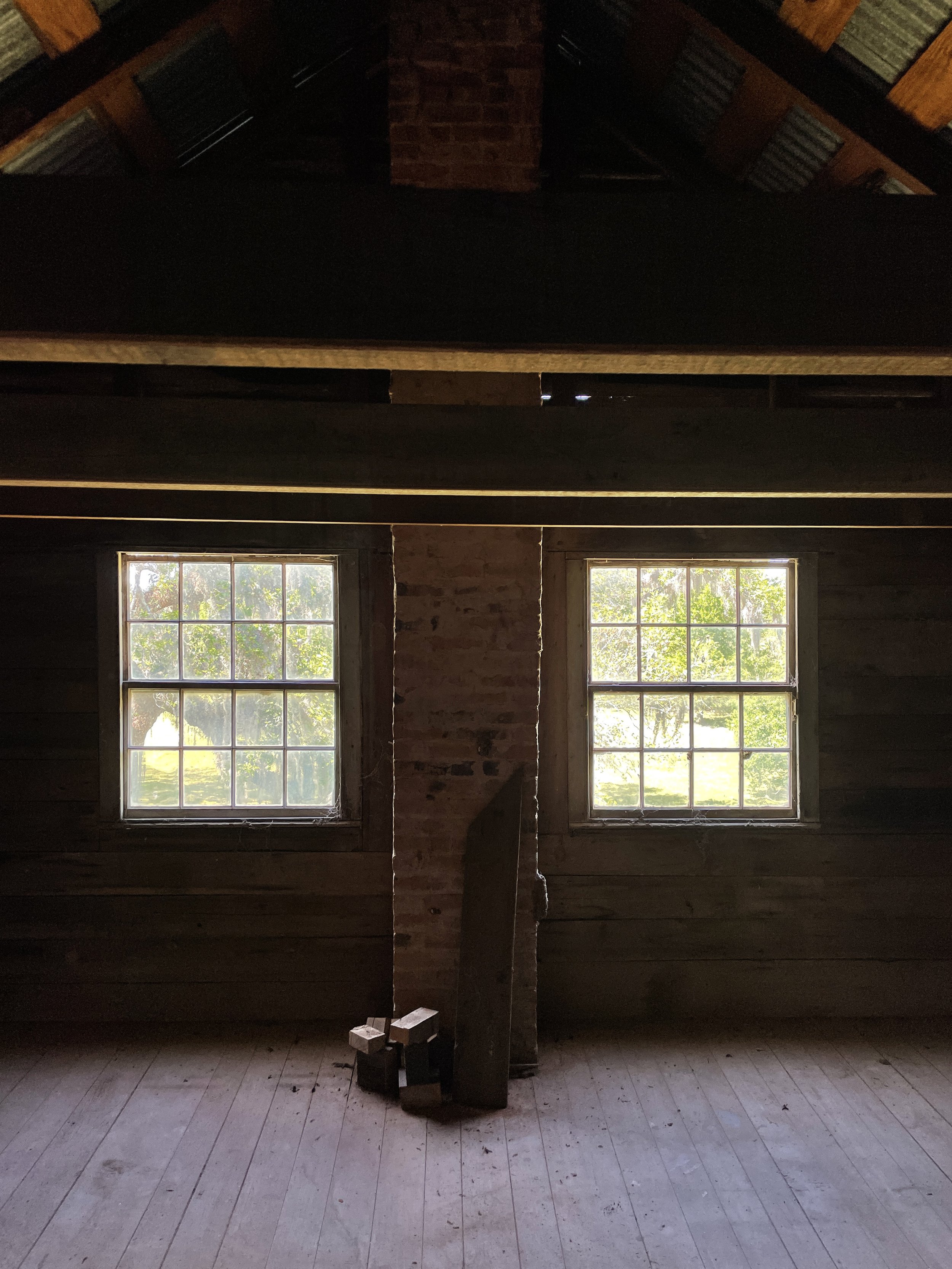
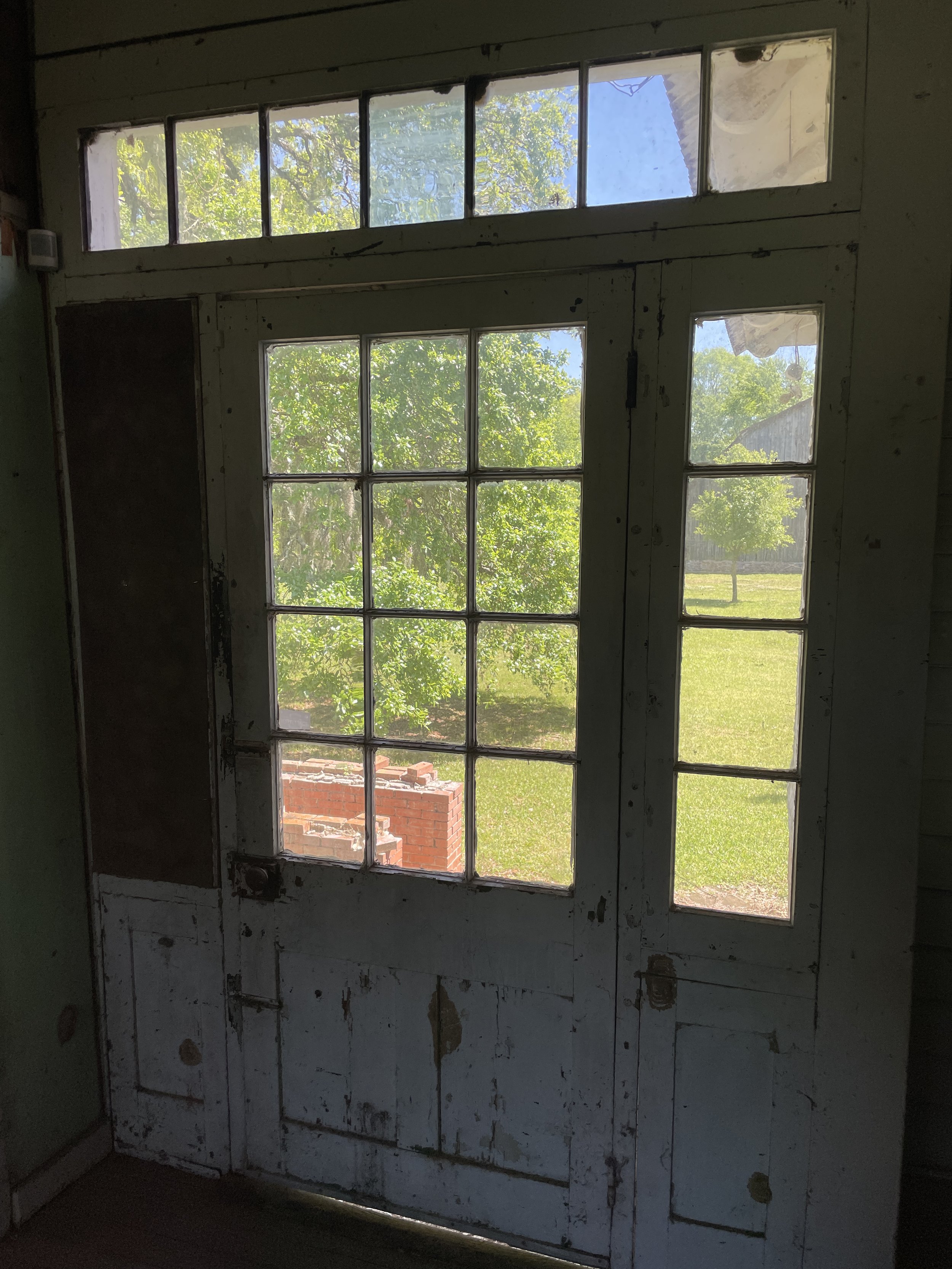
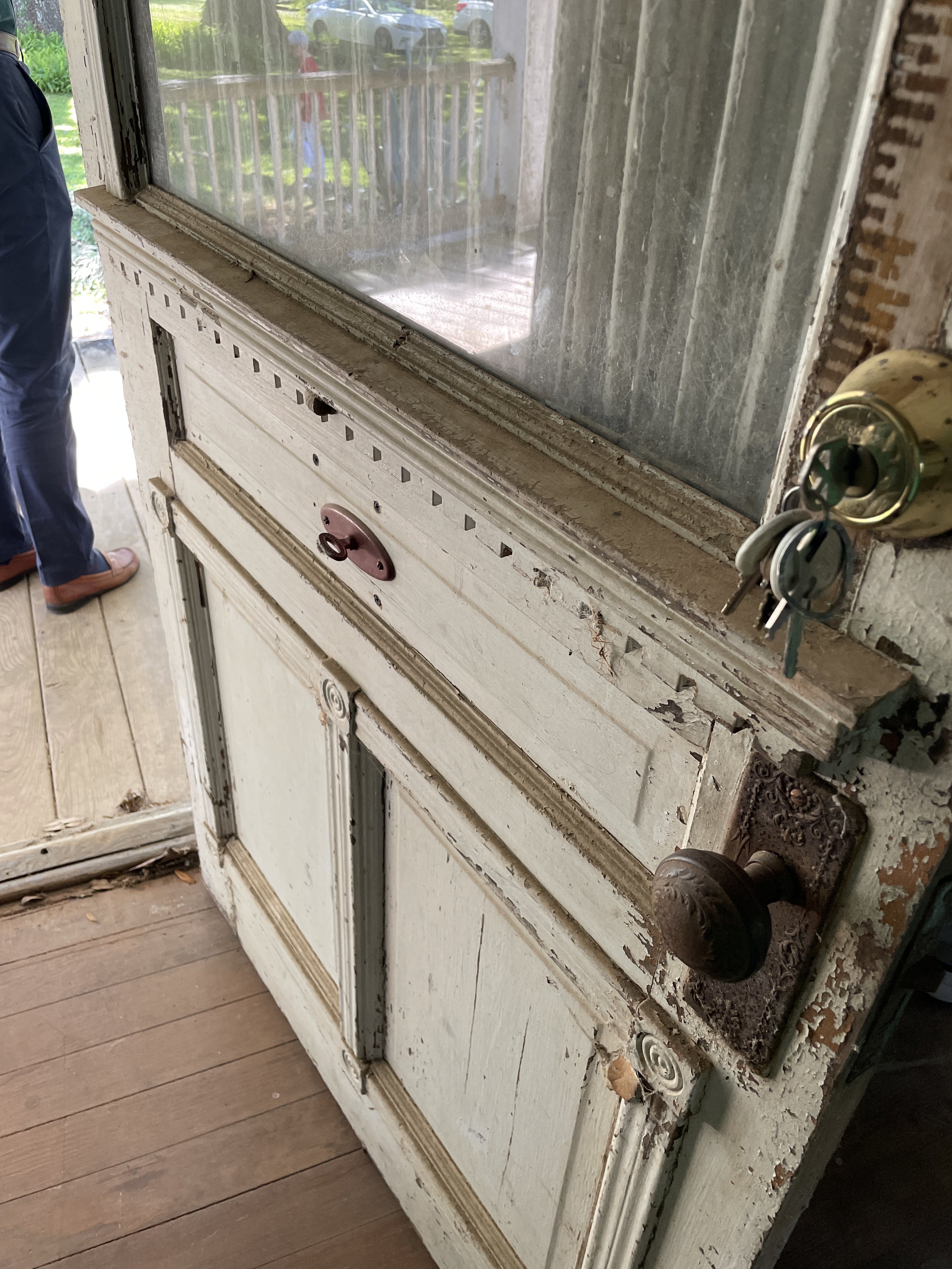
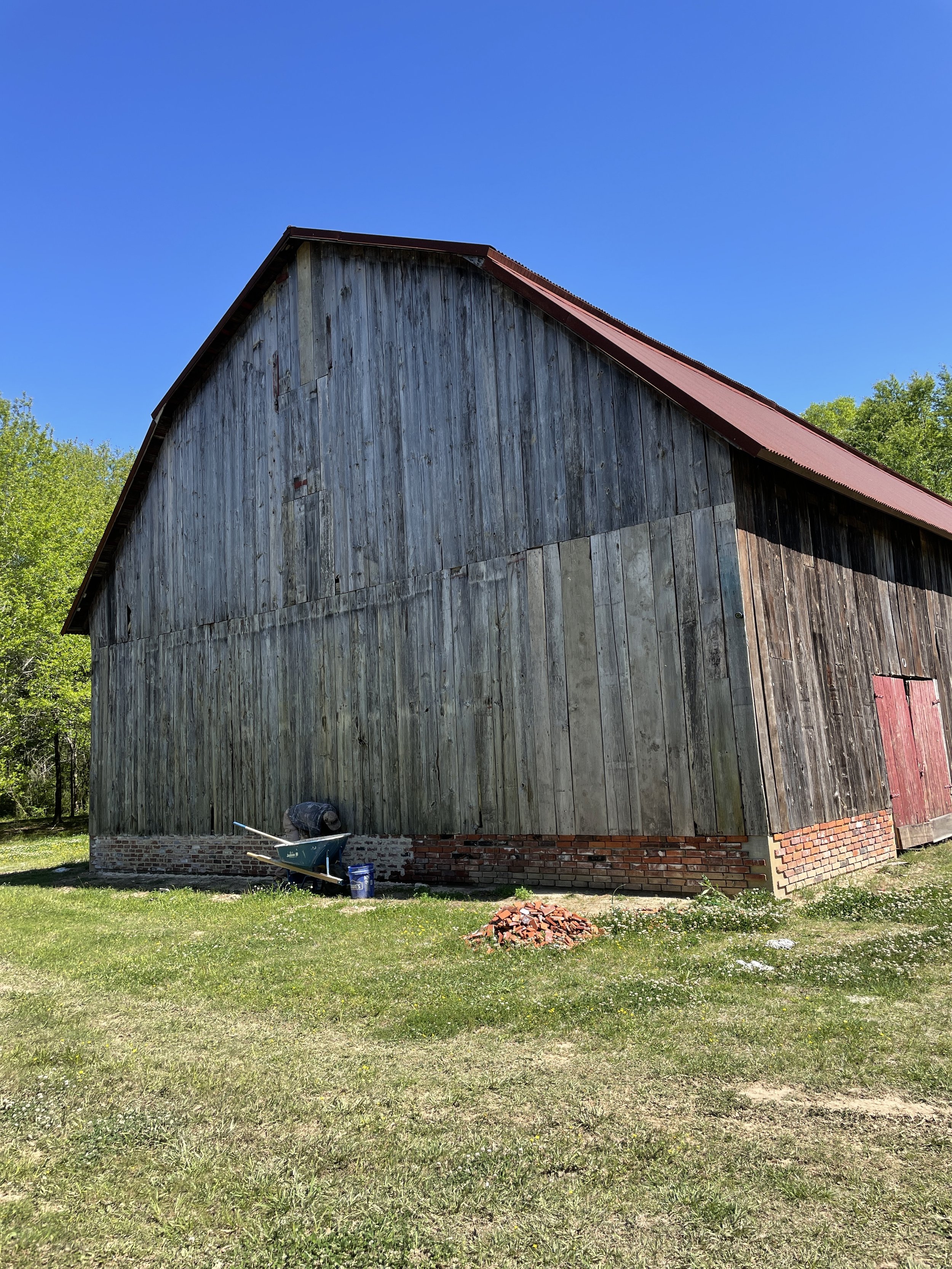
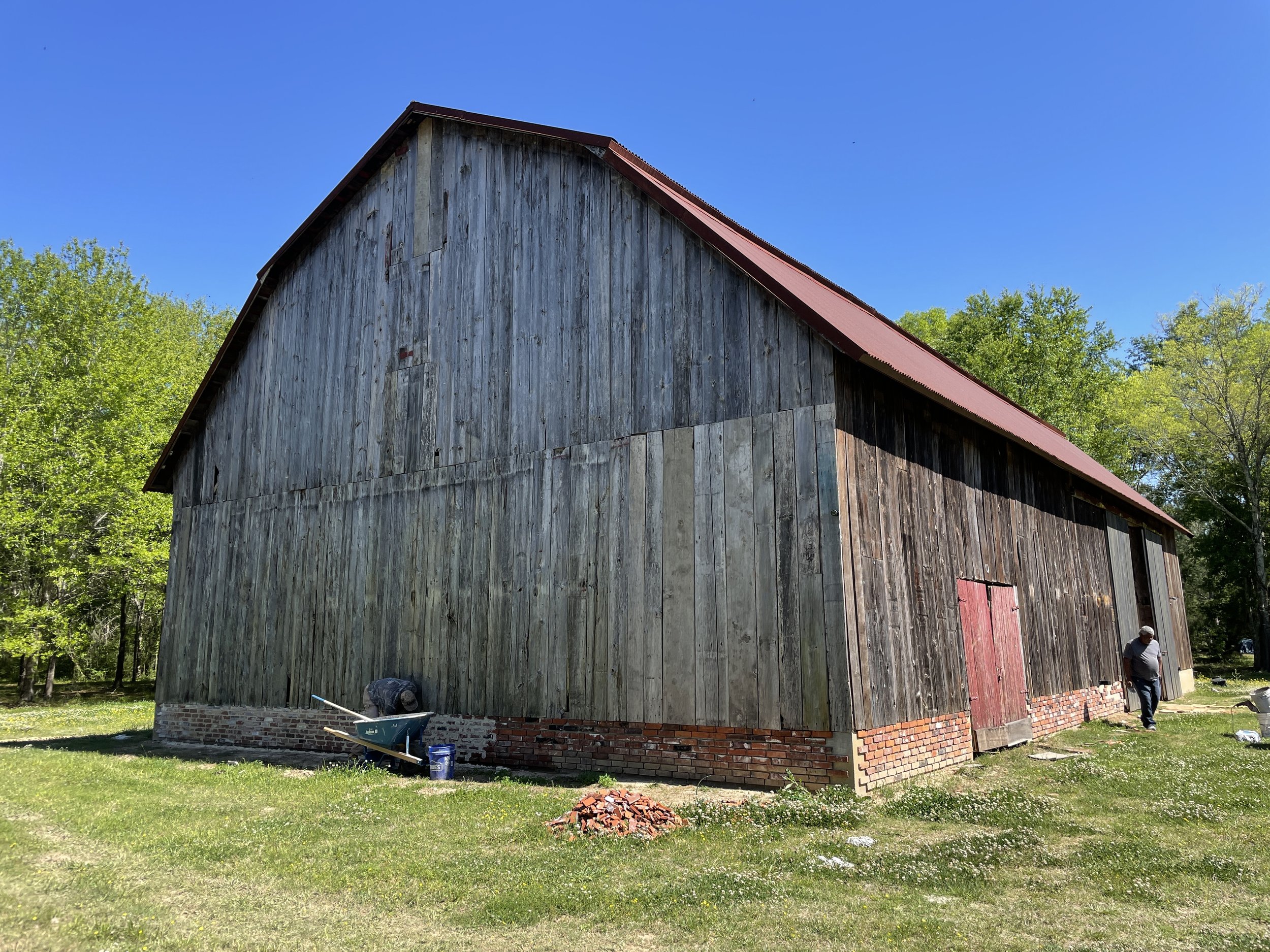
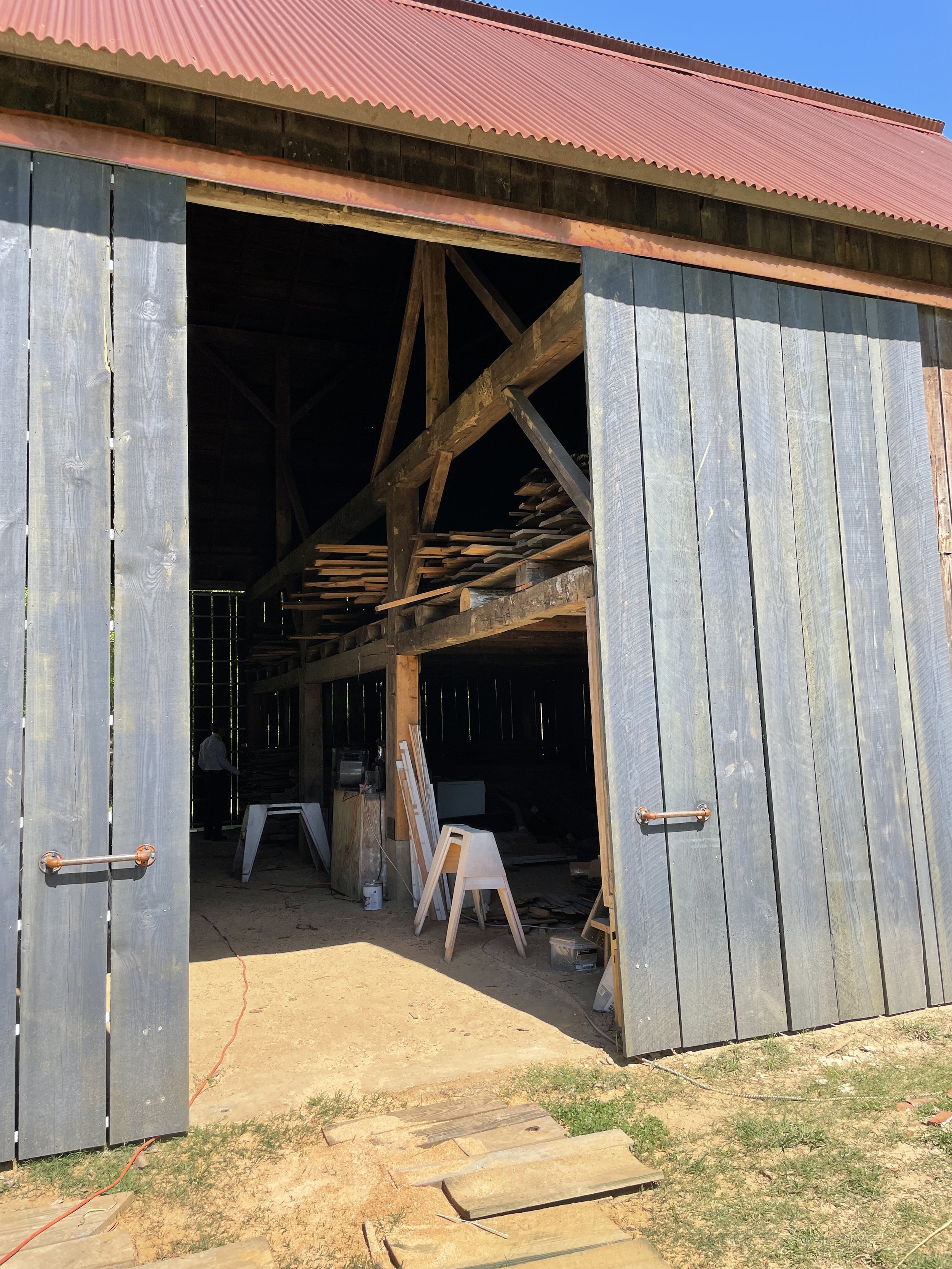
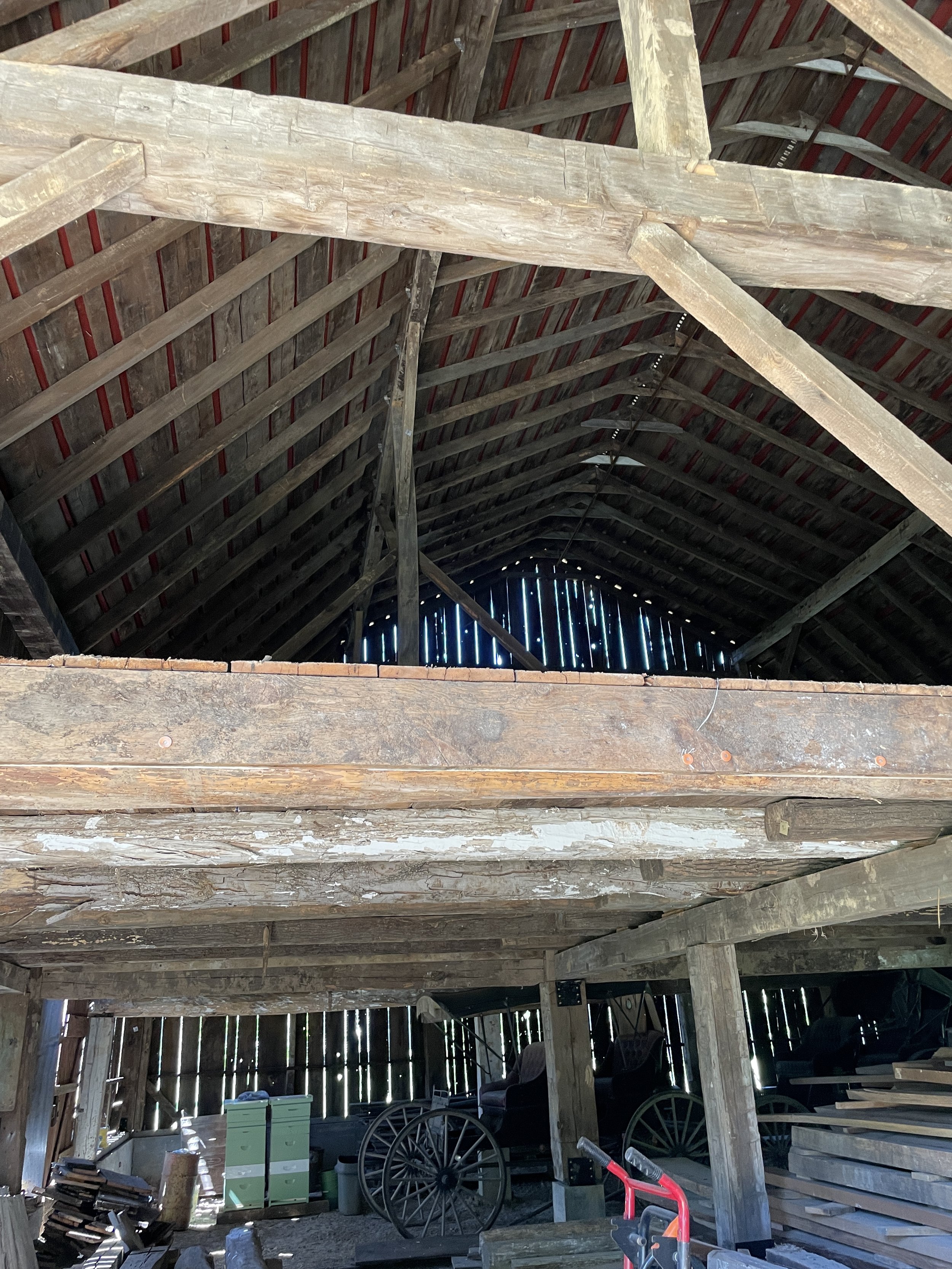
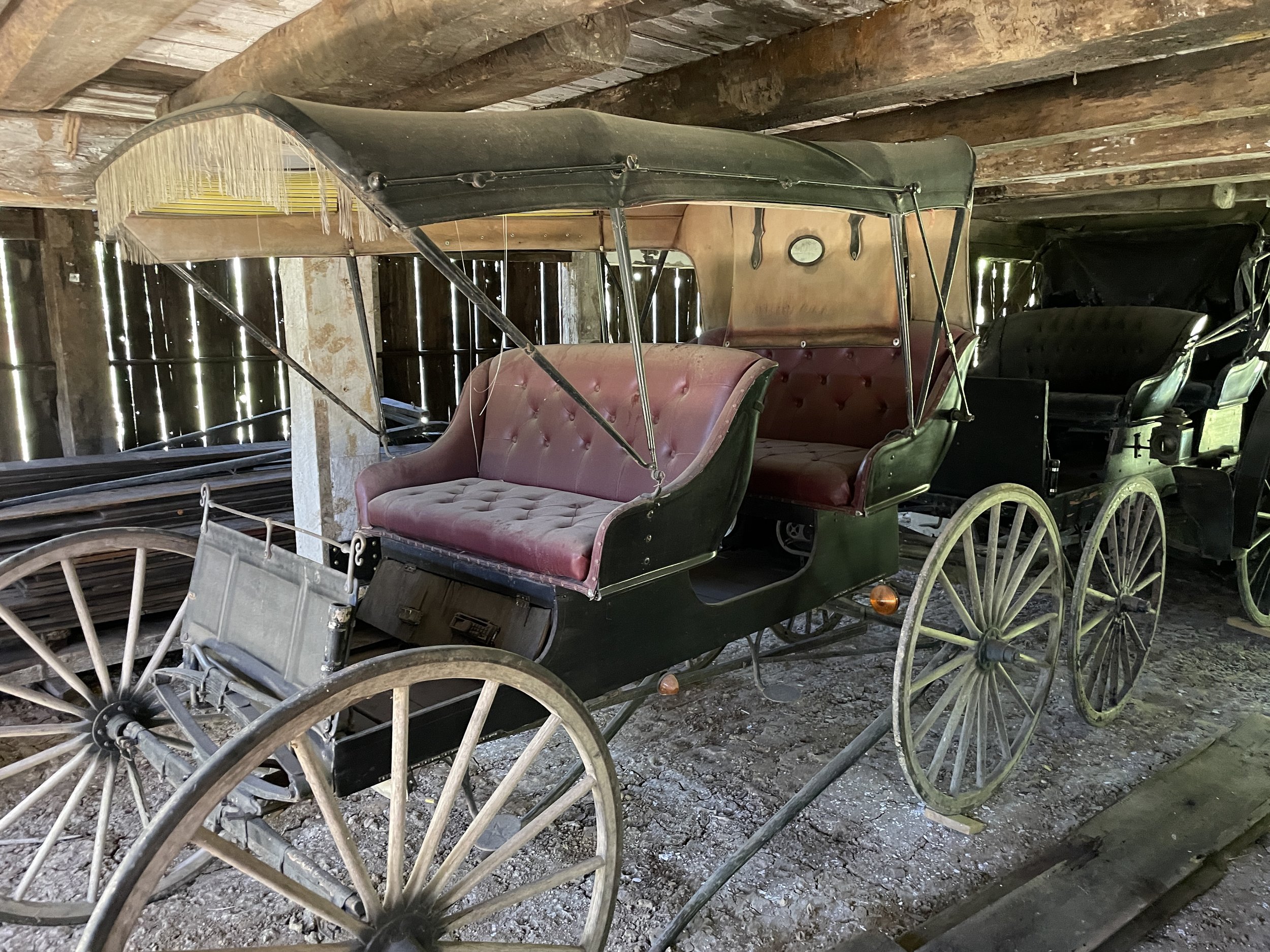
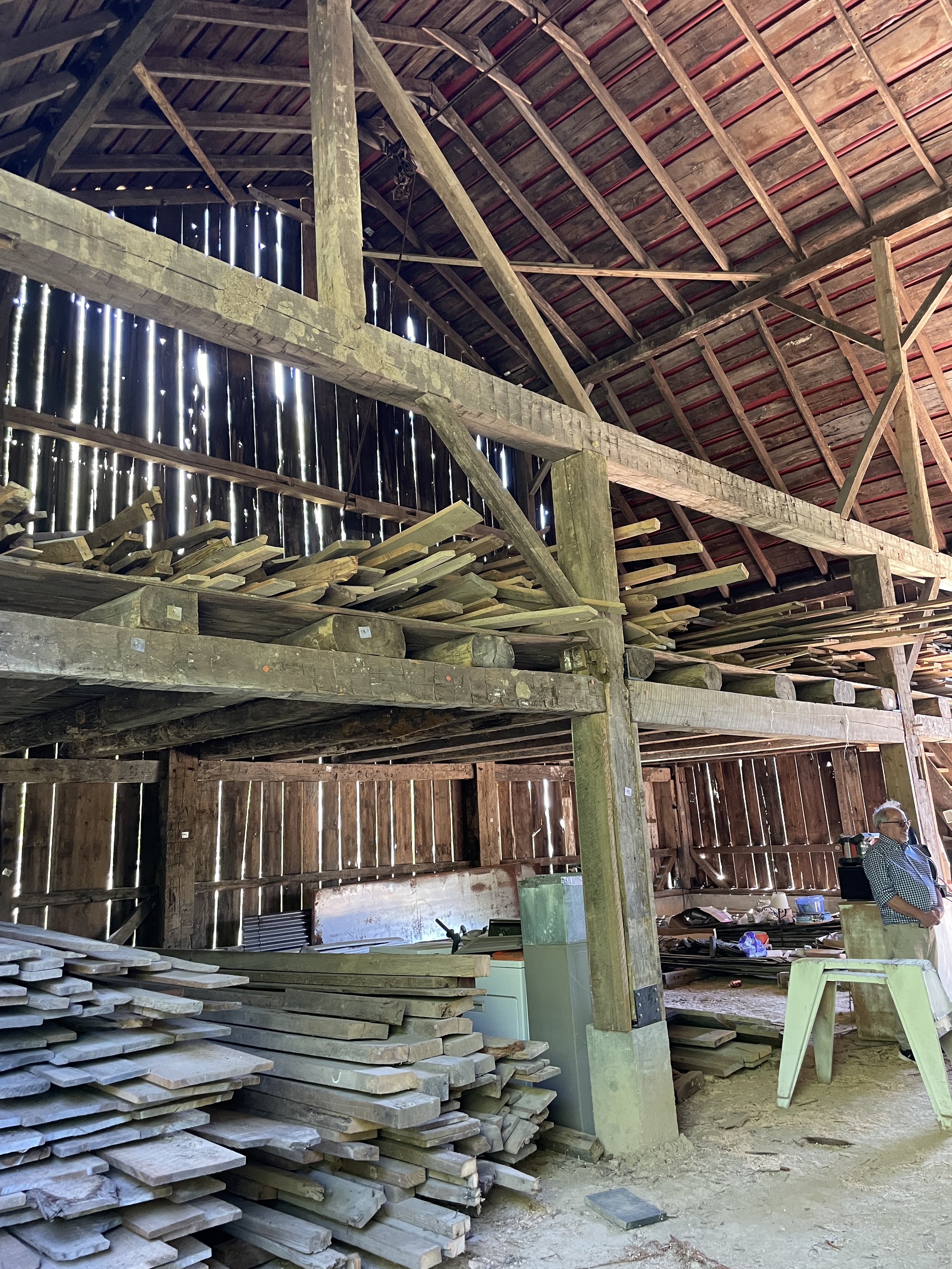
ABOUT: The Robin House and Barn stand on rural acreage on the east bank of Bayou Teche in lower St. Landry Parish. The closest towns are Leonville, situated a few miles to the north of the home, and Arnaudville, located to the south and just across the line in neighboring St. Martin Parish. Both buildings are one-and-one-half stories tall and of frame construction. The house combines French Creole and Greek Revival style features; the barn is also an example of the French Creole building tradition. The house is being dated to c. 1835 and the barn to c. 1820.
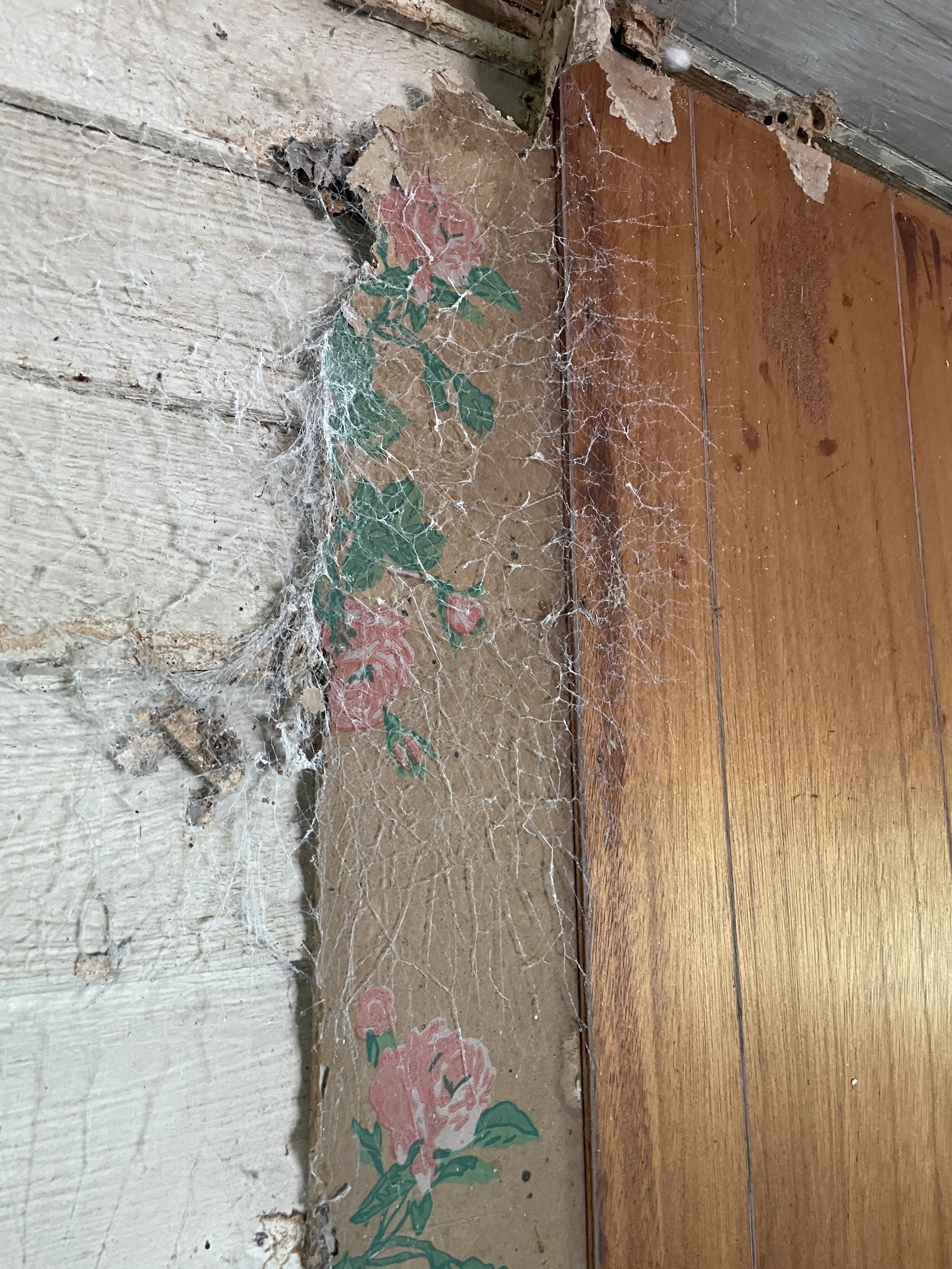
The Robin House is of local architectural significance within St. Landry Parish because it is a rare surviving French Creole houses in a parish where once they would have been quite numerous. It is particularly important because of its bousillage construction and because it is a typical small-to-medium French Creole house. The Robin Barn is significant at the state level in the area of architecture because, as an example of an antebellum barn, it is a rare survivor of a utilitarian building type which would have existed on every plantation and farm throughout the state. It is also significant at the state level because it is a very rare example of the application of the French Creole building tradition to a barn.
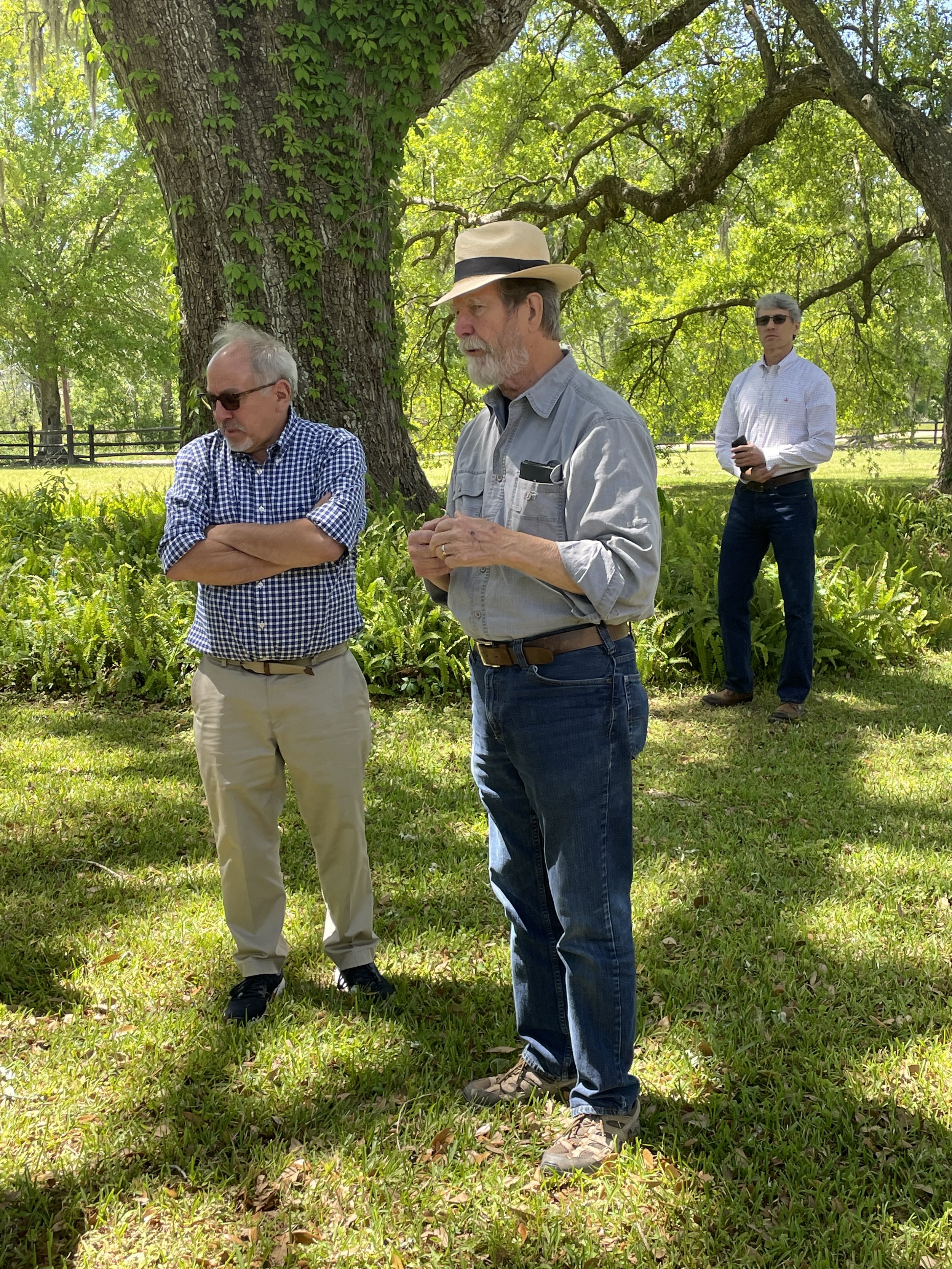
FORAY: At our visit to Robin Plantation house and barn, architect Eddie Cazayoux gave an overview of the renovation and has his HABS drawings on display!
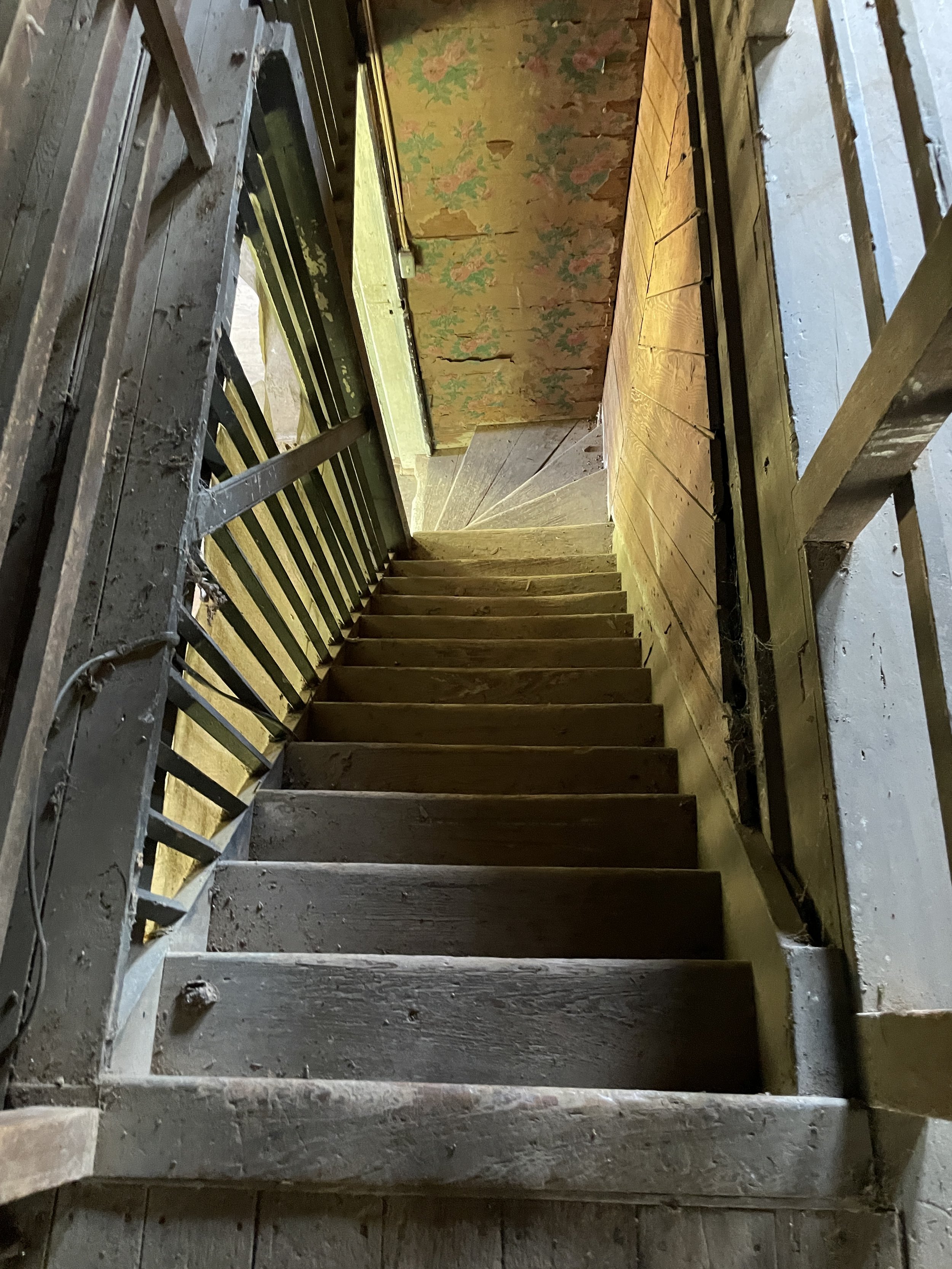
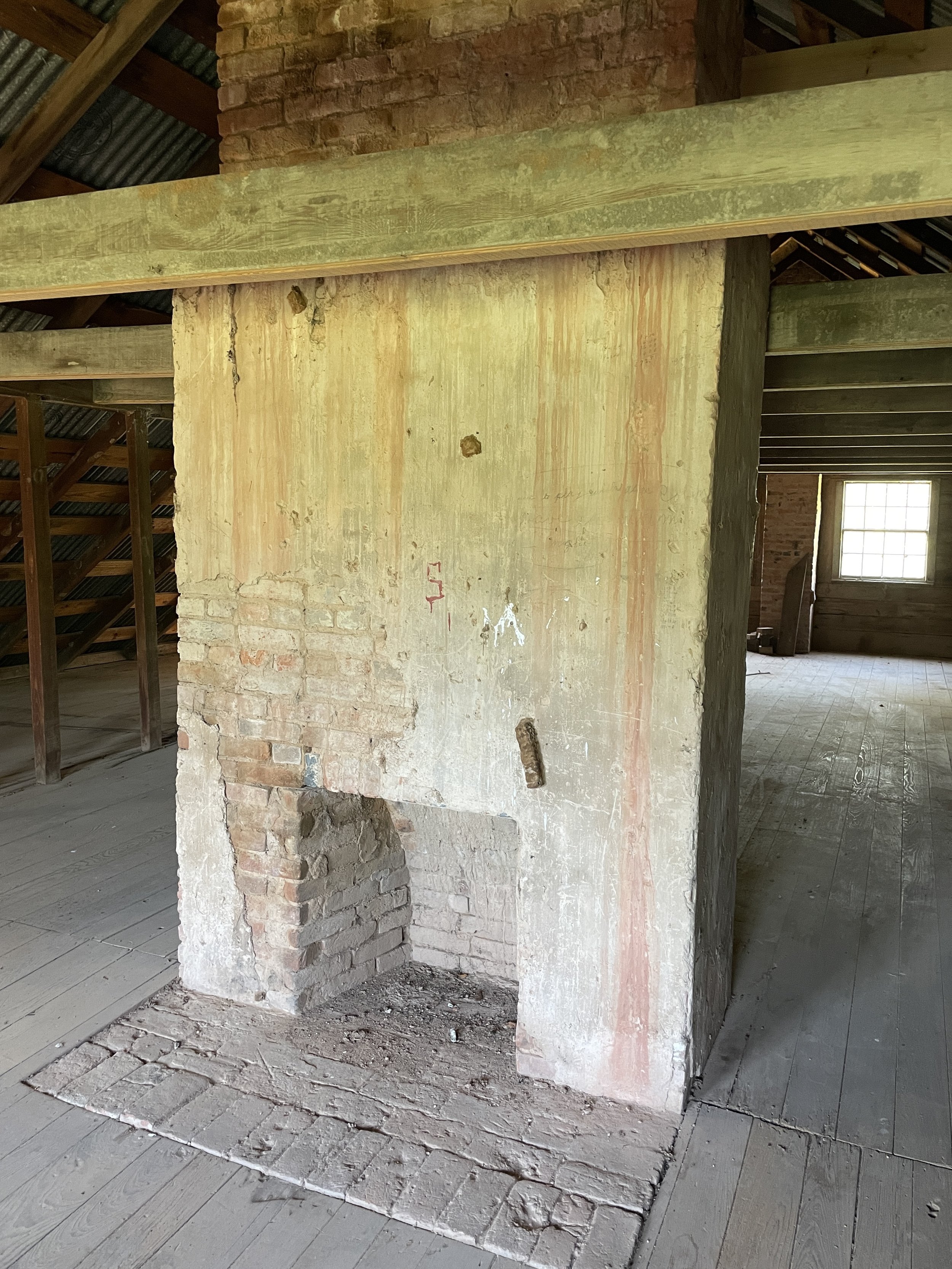
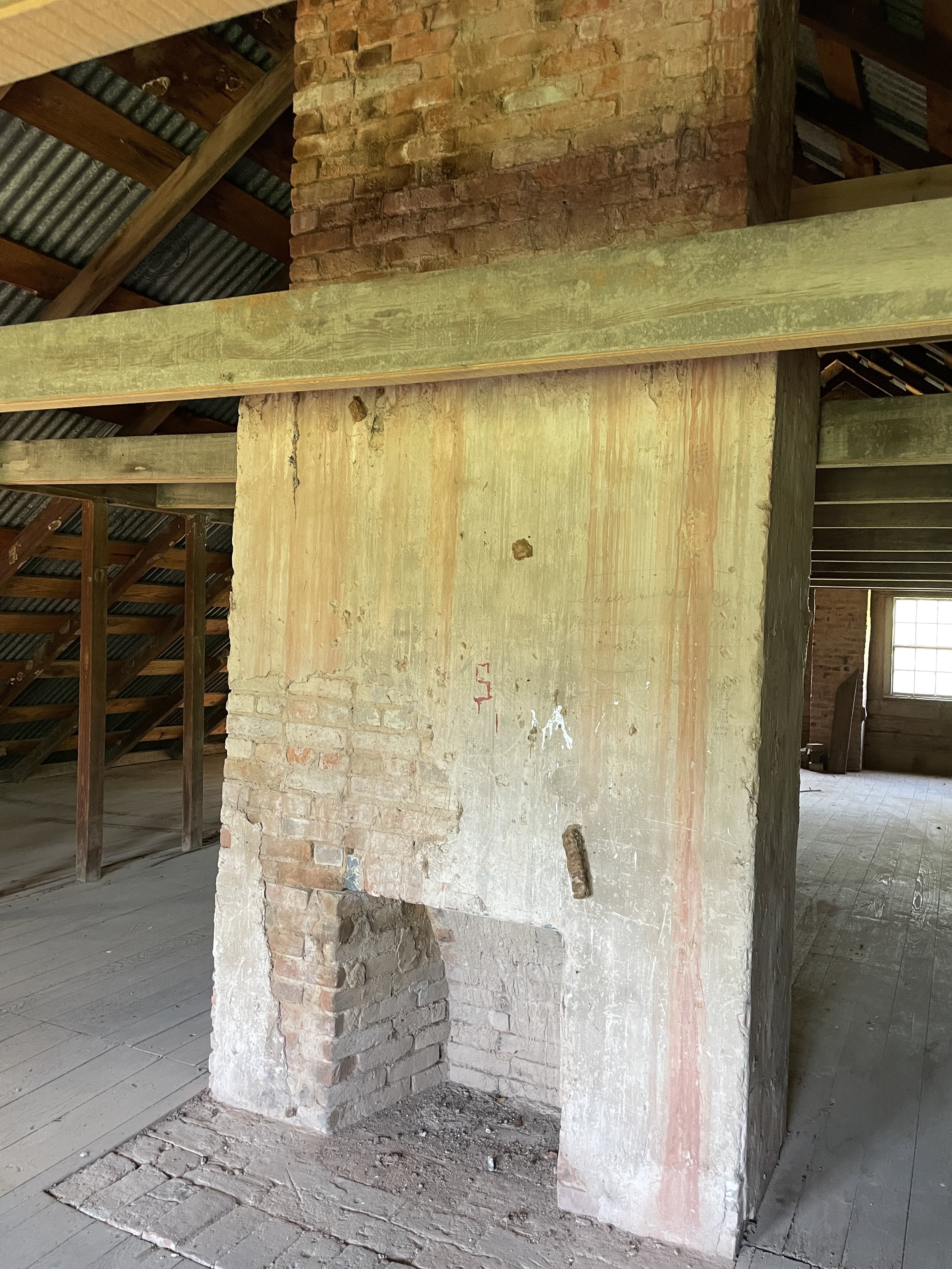
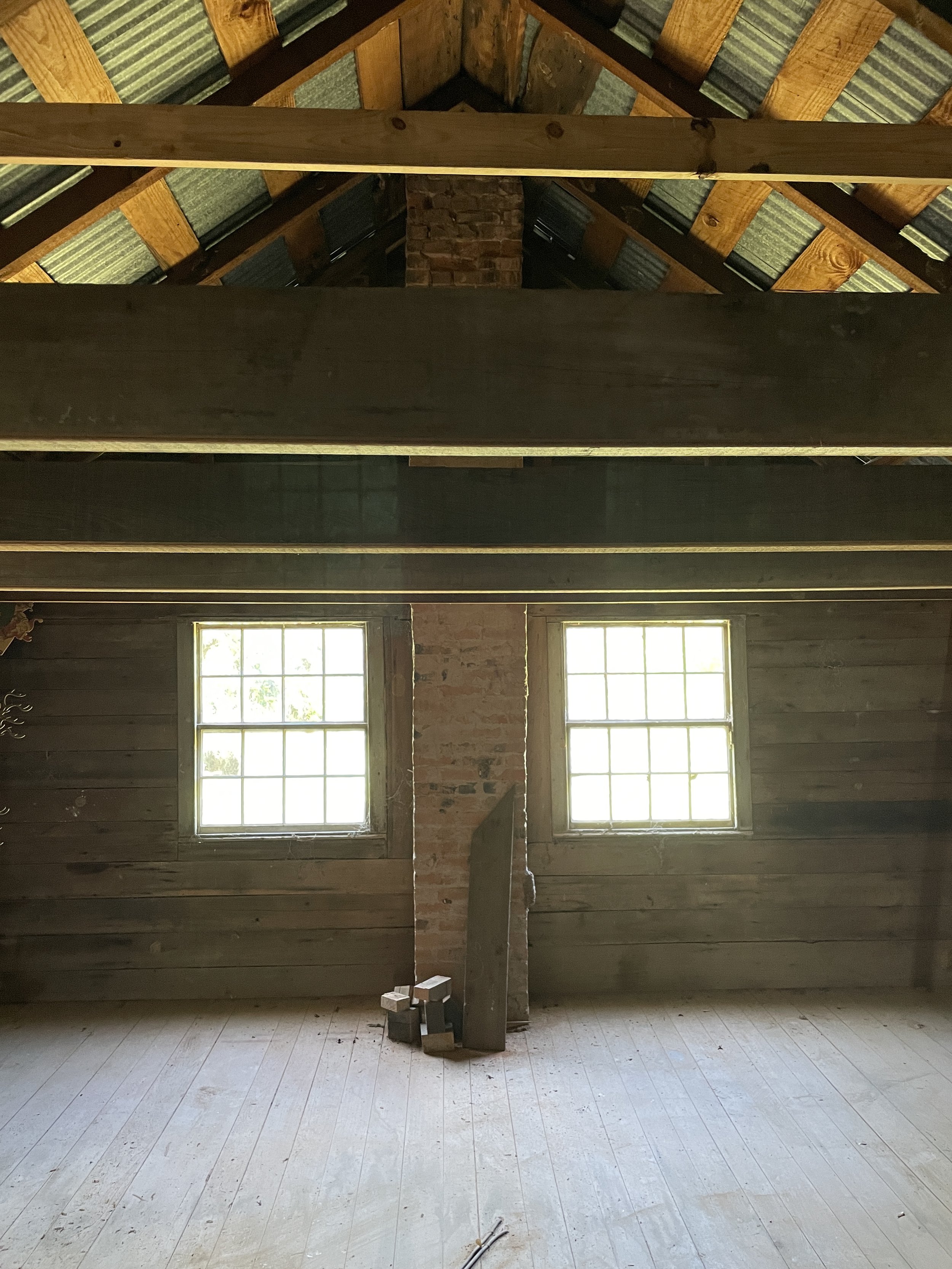
Stéphanie Plantation (1796)
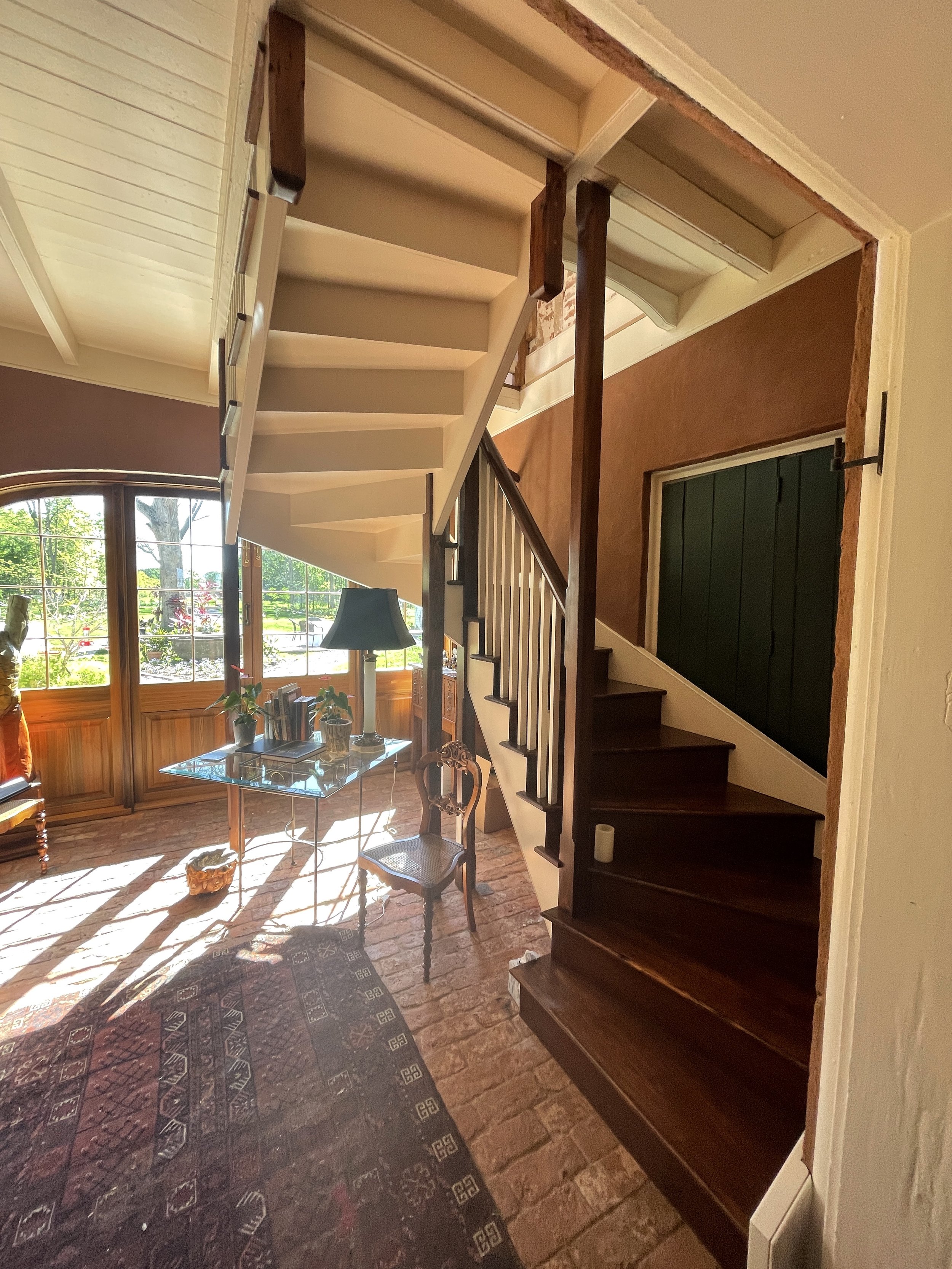
ABOUT: Stéphanie Plantation, otherwise known as the Stéphanie-Martin Duralde House, was constructed by Martin Milony Duralde in 1796. Duralde was the commandant at the Opelousas Post from 1795 to 1803, and a leading political figure in southwestern LA during the last years of the Spanish Colonial Era. Duralde occupied and developed a 1,423 acre tract along the Upper Teche by 1781. He served as senator for the Attakapas in 1912. Clarissa, his daughter, married W. C. C. Claiborne in 1806. Today, the house is a Bed and Breakfast known as Maison Stéphanie and sits on 20 acres along Bayou Teche.
FORAY: We drovee to Stéphanie Plantation south of Arnaudville. Architect Eddie Cazayoux gave an overview of the renovation and have his HABS drawings on display! Eddie received a Charles E. Peterson Prize from the US Department of the Interior on the drawings.
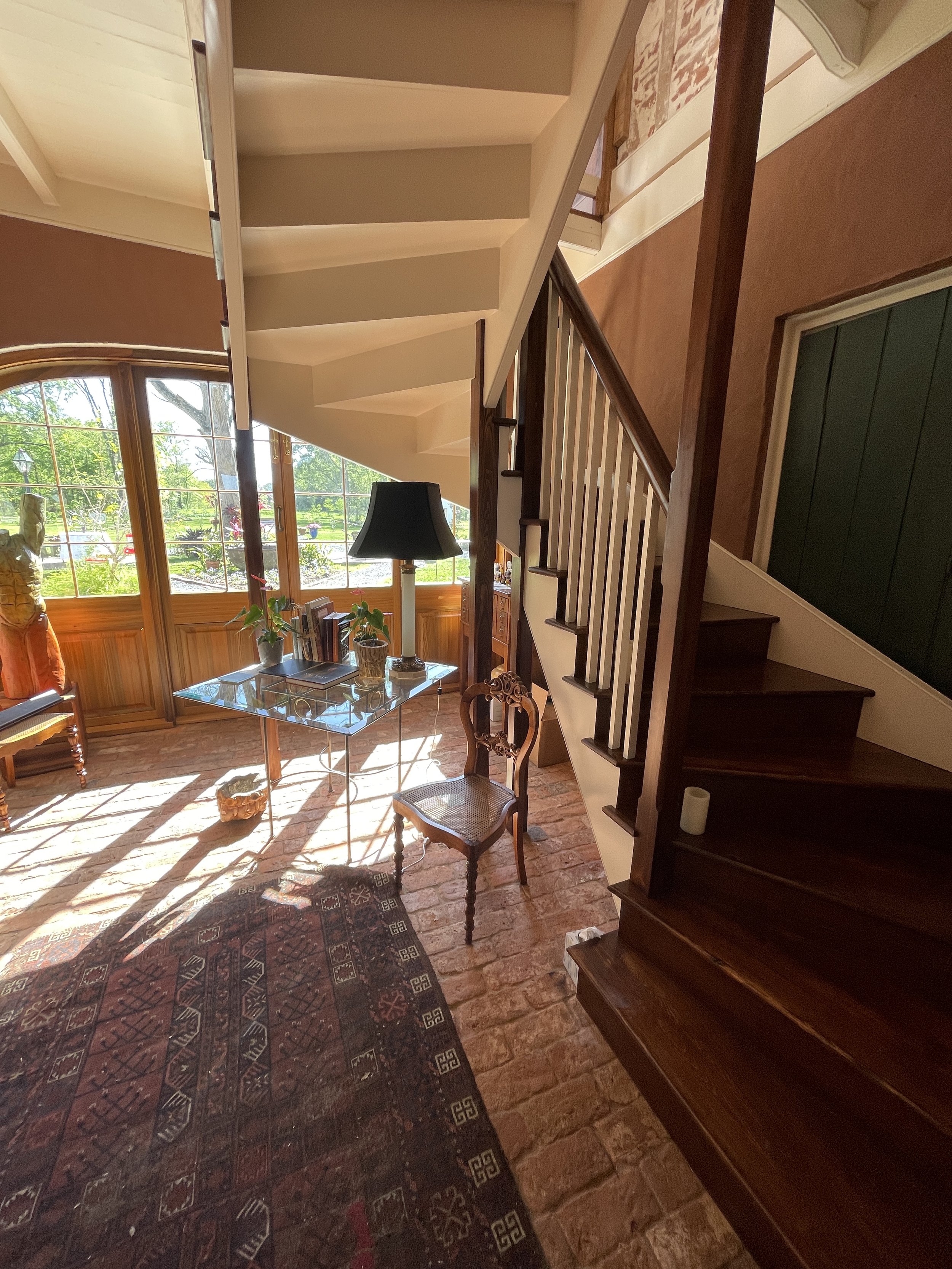
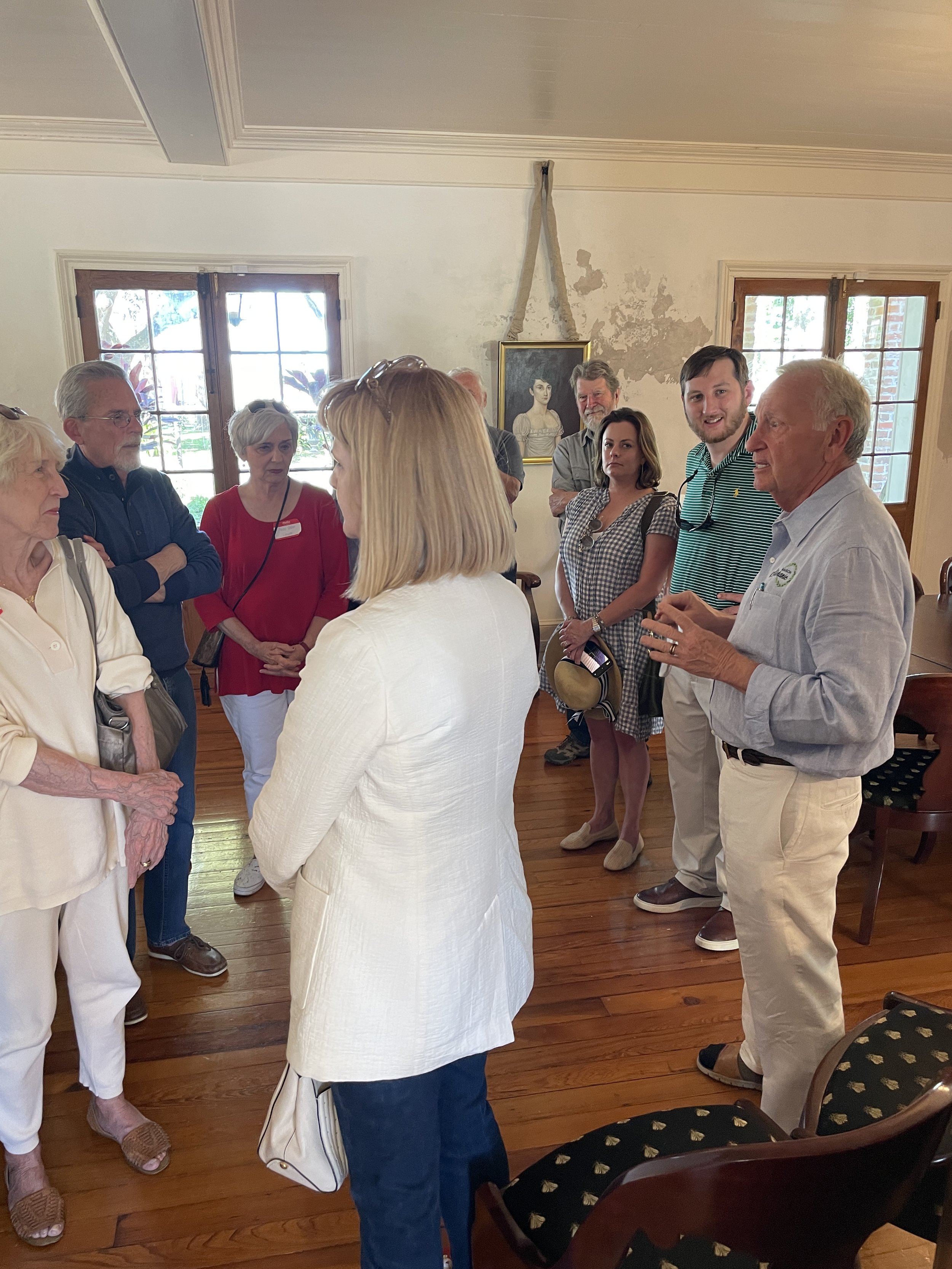
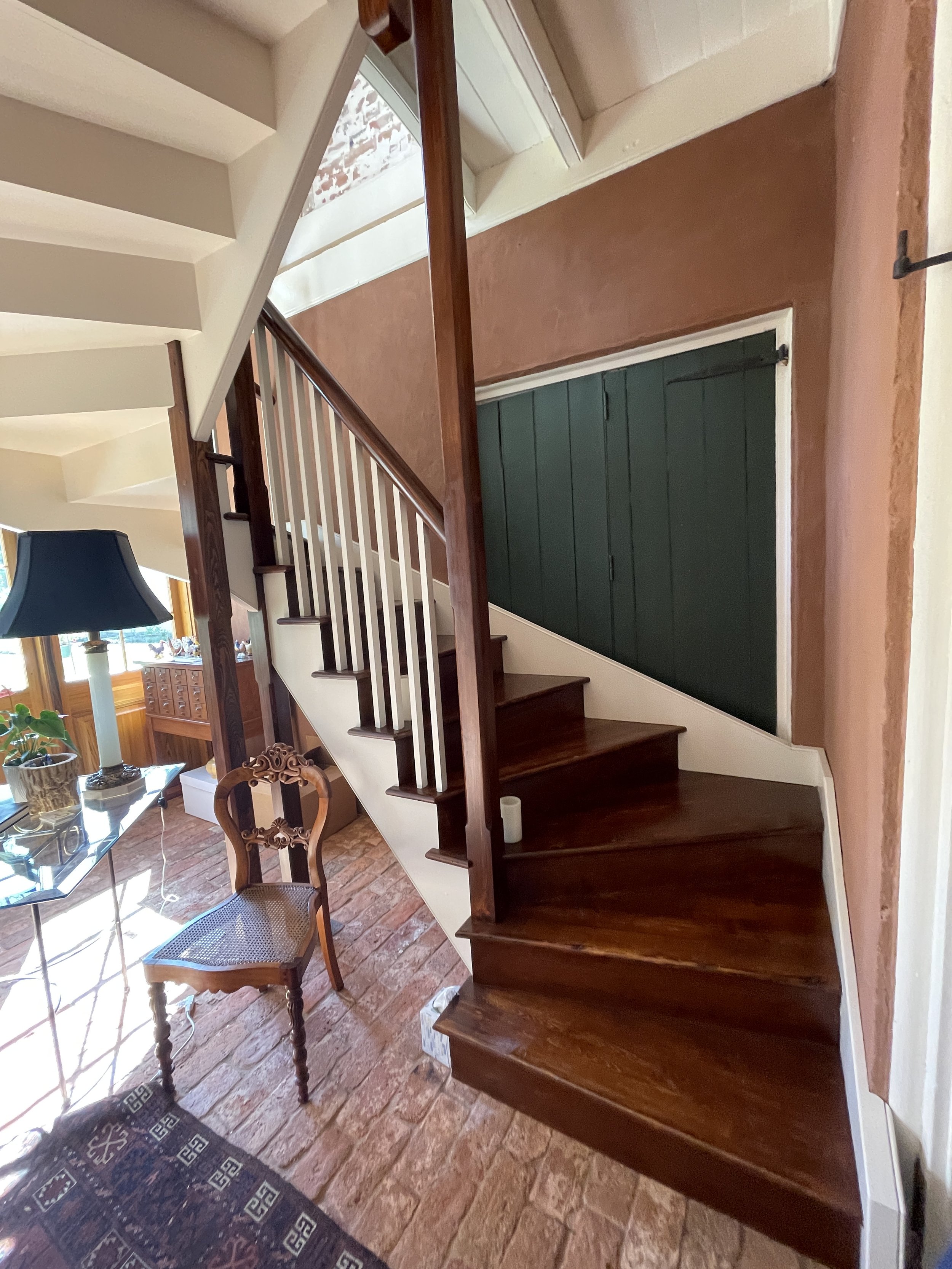
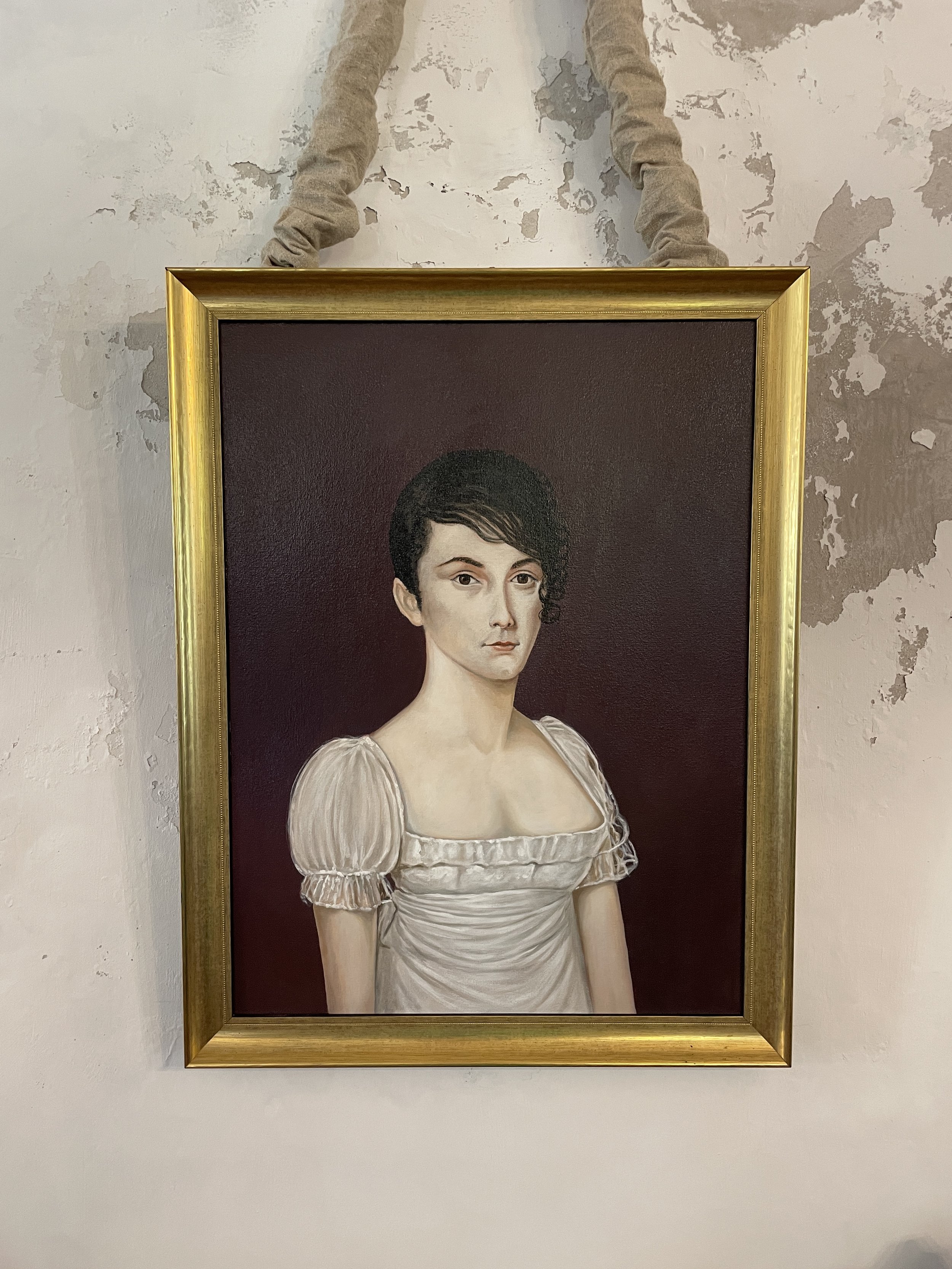
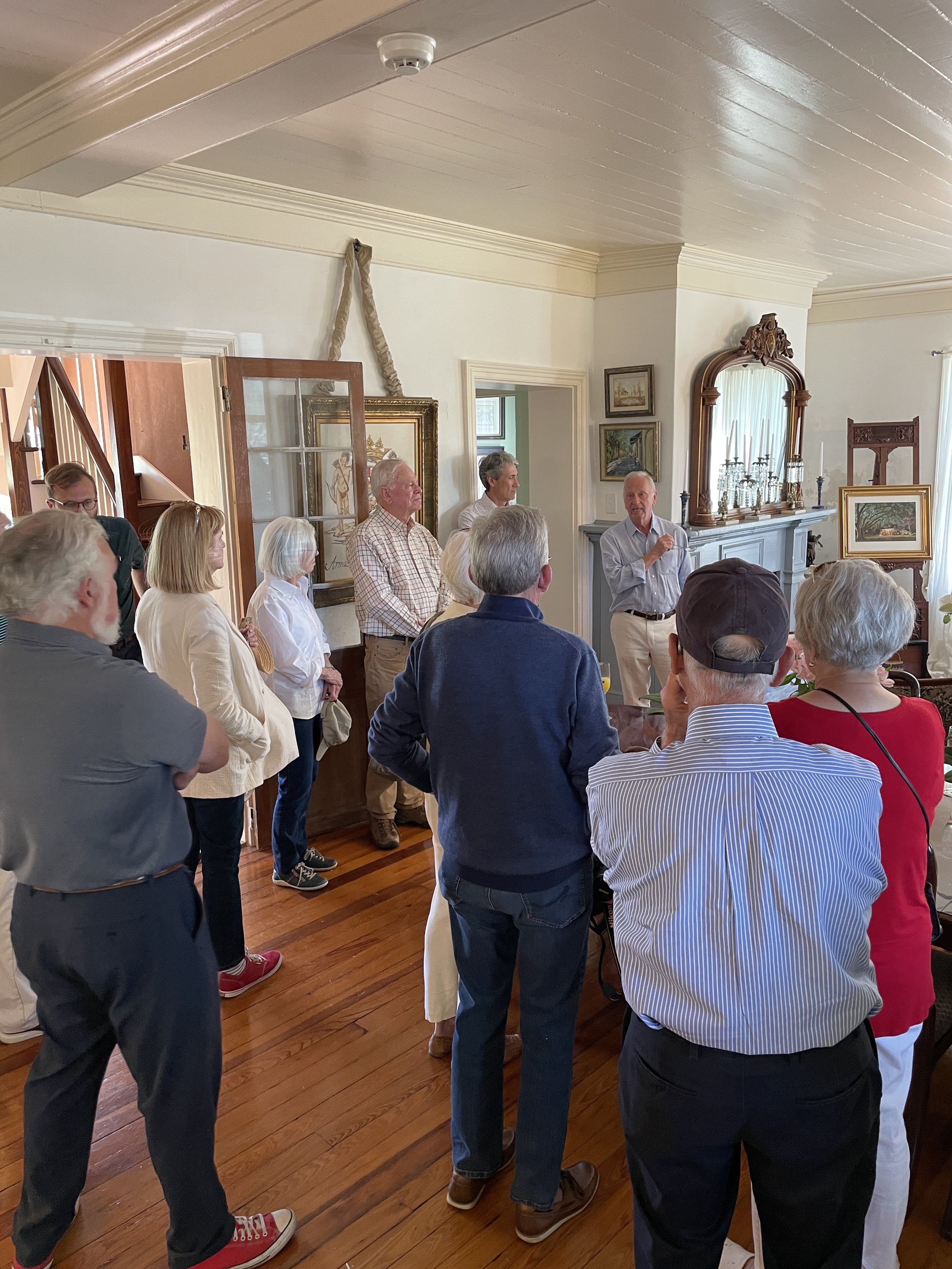
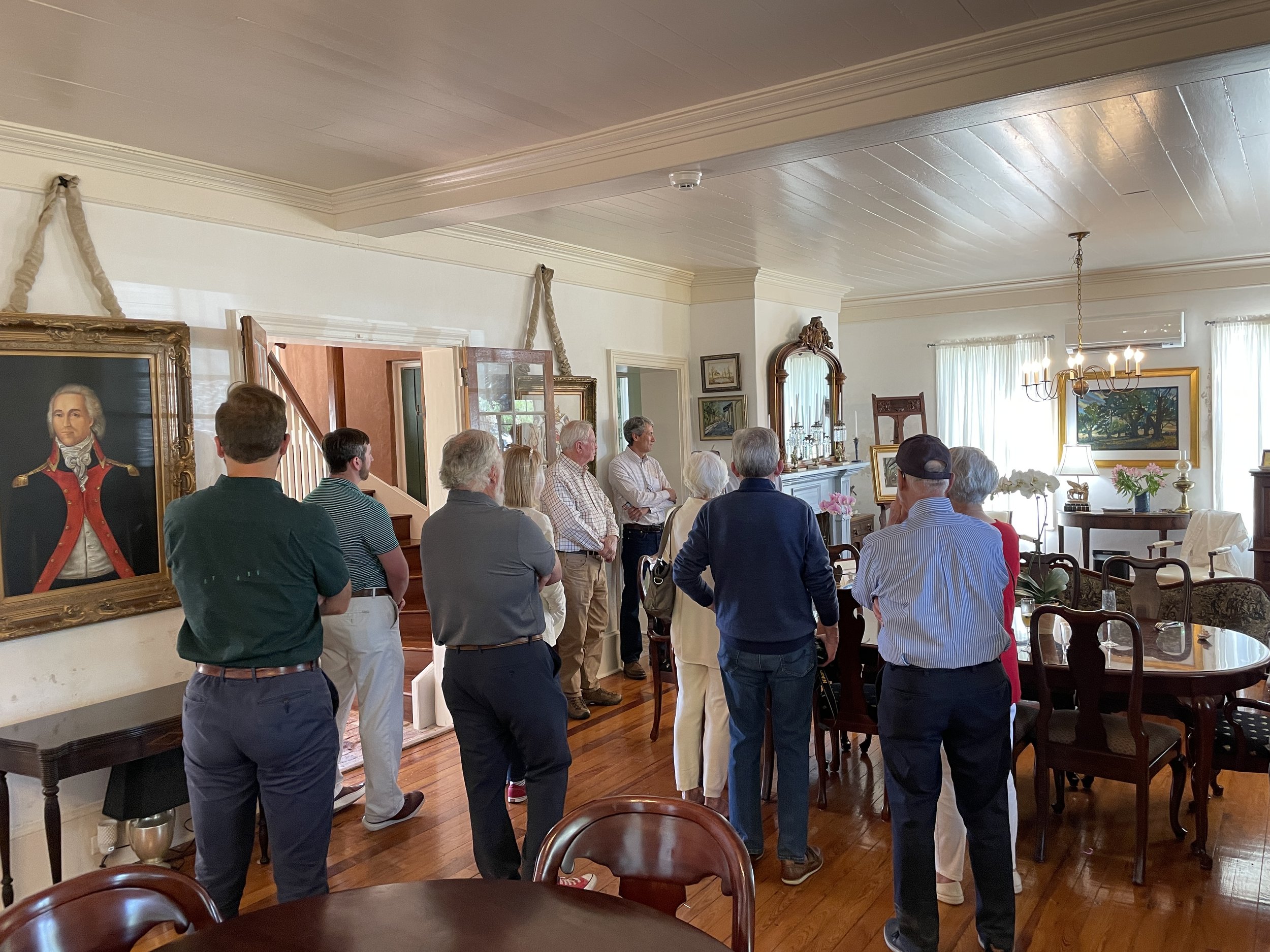
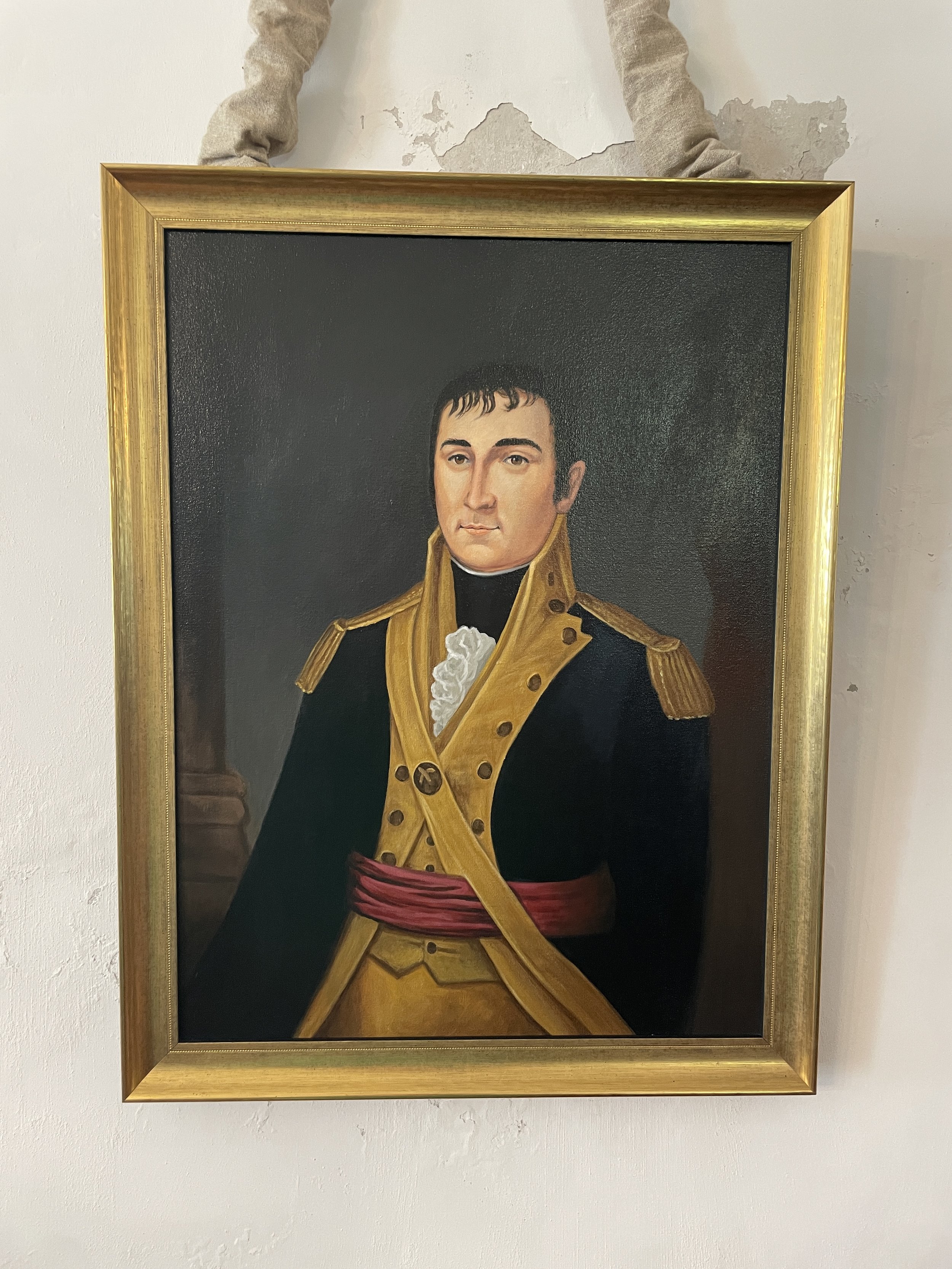
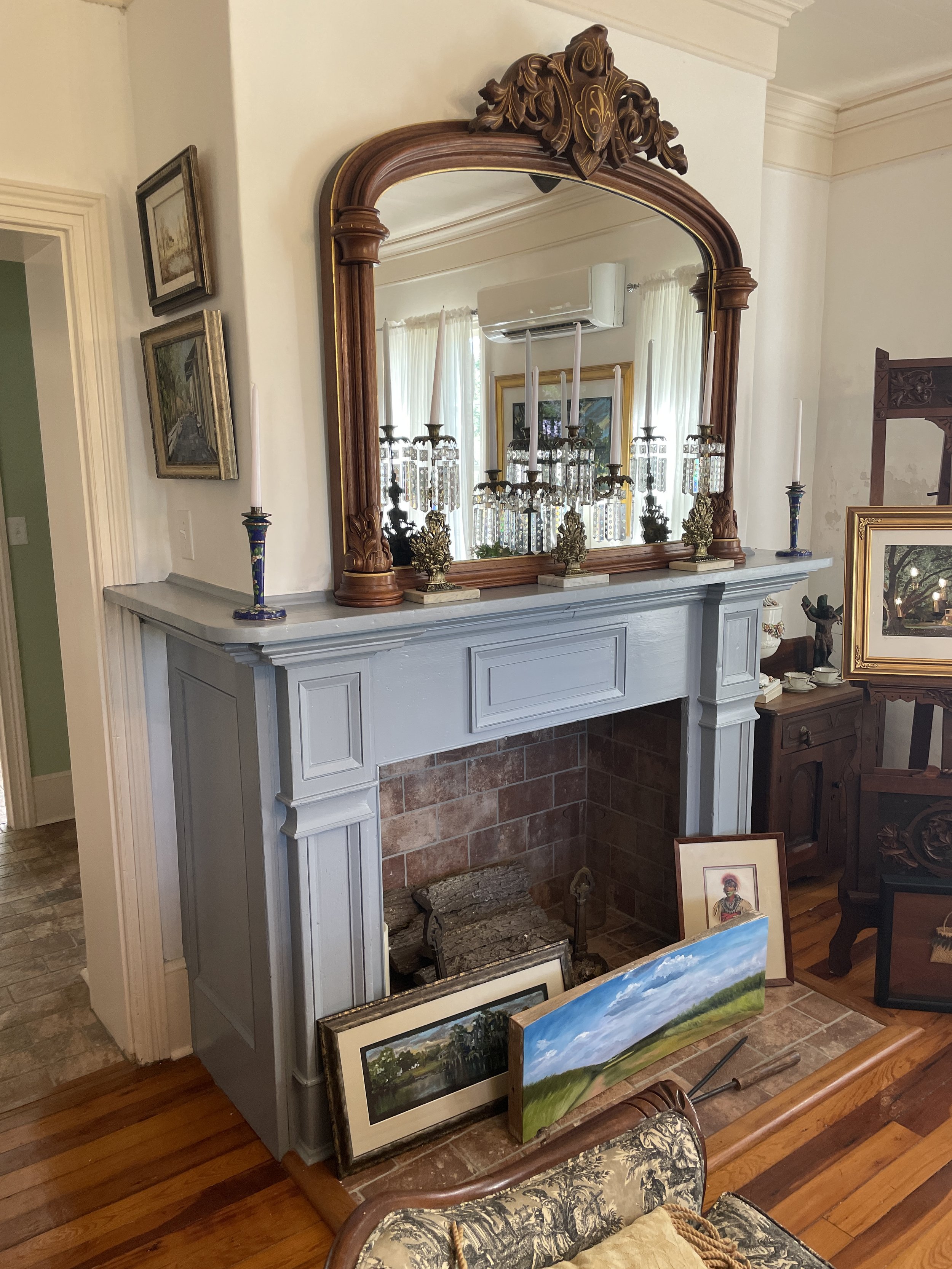
Bayou Teche Brewing
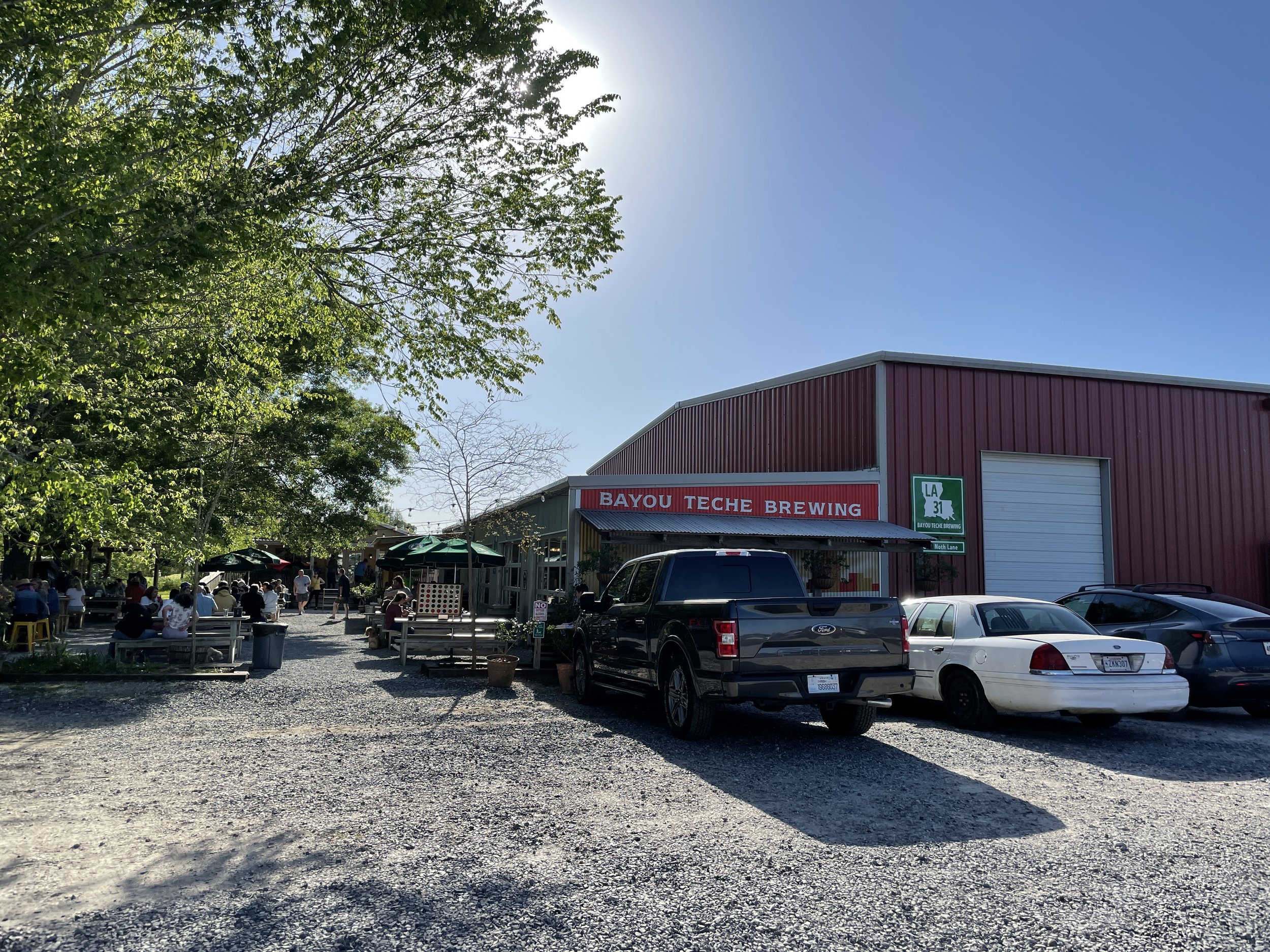
ABOUT: Bayou Teche Trap Room & Beer Garden was founded on this simple dream: to craft beers that complement the cuisine and lifestyle of Cajuns and Creoles. Open Thursday through Sunday. Fresh draft & packaged beer, awesome Cajun Saucer Wood Fired Pizza- Neapolitan style pizzas made with love and devotion. Bayou Teche Brewing Taproom is family friendly and pet friendly- located in scenic Arnaudville, LA.
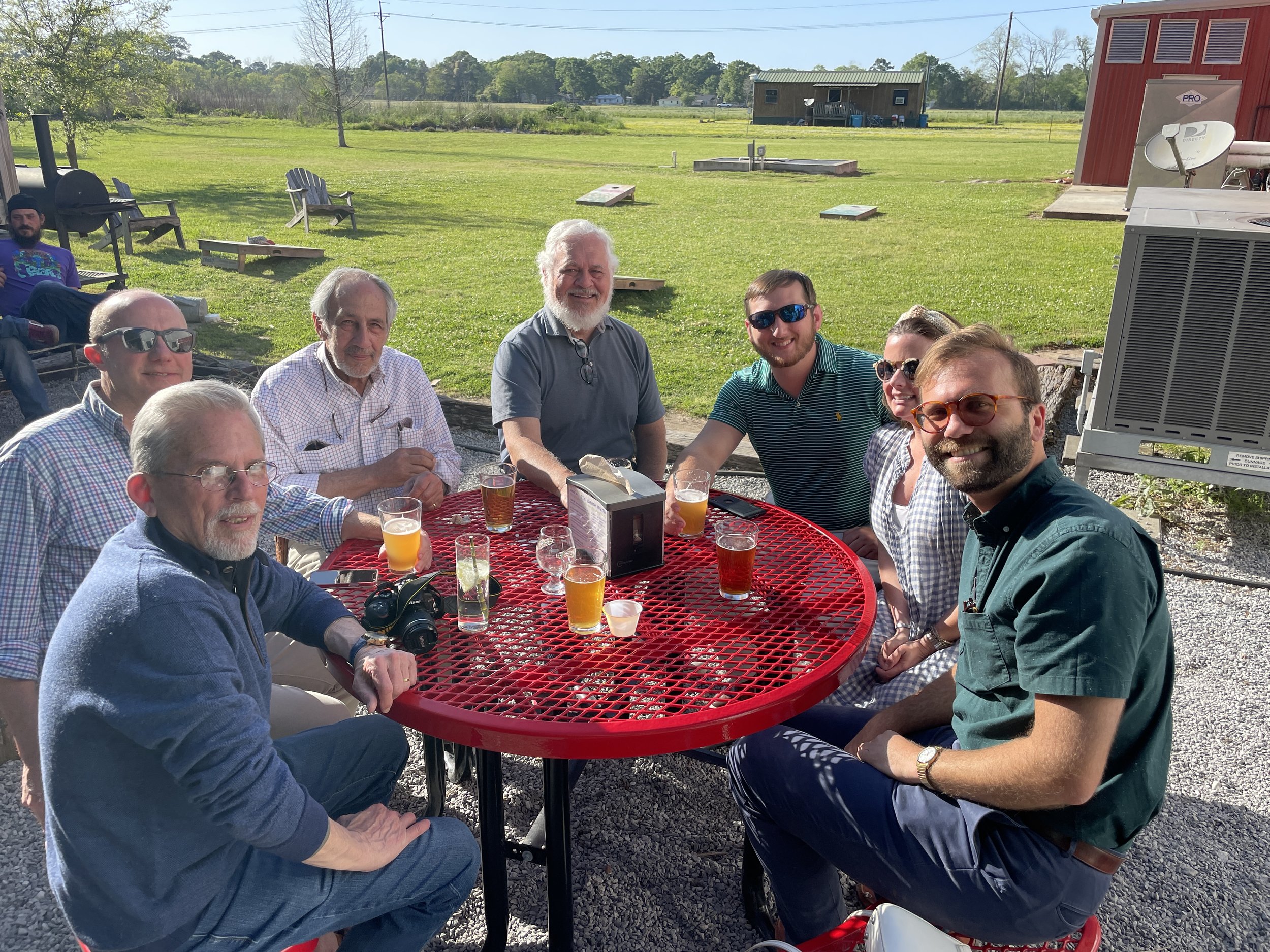
FORAY: Bayou Teche Brewing was a sponsor for our event! We ended the day with cold beers and delicious food in the courtyard. A Cajun French band was playing under a pergola, and the sun was setting over the beautiful tree-lined horizon.
At the end of the course, participants were taught to:
1) Identify religious symbolism in the Jesuit and Sacred Heart religious orders.
2) Recognize classical art in Catholic structures.
3) Identify local religious and residential building materials in southern Louisiana dating from 1796 to 1909.
4) Recall proper renovation techniques of antebellum structures.
"The Architecture of Dining: A Brief History" with Rick Ellis, ICAA-LA Lecture
Classicism in Louisiana
The December 2021 virtual lecture of the Institute of Classical Architecture & Art - Louisiana Chapter with guest speaker Rick Ellis.
In 2022, I became a board member of the Institute of Classical Architecture & Art - Louisiana Chapter; however, I have been a member since 2017. As part of my participation, in 2021 we started a virtual lecture series that seek to educate our members and the public on classical topics in Louisiana’s classical architecture and art history. In December 2021, we hosted a lecture with guest speaker, Rick Ellis, a culinary historian, to discuss his studies on the history of dining room evolution.
Please consider becoming a member to participate in our events, meet like-minded passionate people, and continue the mission to to advance the appreciation and manifest the principles of classical and traditional architecture and its allied arts by engaging practitioners, students, educators, and architecture enthusiasts of Louisiana.
About this event
Please join the ICAA Louisiana Chapter for a lecture by Rick Ellis, a culinary historian and noted cookbook collector, to discuss his studies on dining room evolution. The event is a virtual book lecture conducted through Zoom. Tickets are FREE, but registration is required. If you have any questions, please contact info@classicist-la.org.
Rick Ellis' Biography
Rick Ellis is a food stylist, writer and culinary historian. Ellis studied architecture at the University of Virginia and graphic design at the School of Visual Arts in NYC. He has styled food for major corporations and magazines, such as Gourmet magazine, Dunkin’ Donuts, Popeye's and on the big screen for the Scorcese film The Age of Innocence.

Staying Cool with Operable Windows in Historic Buidlings
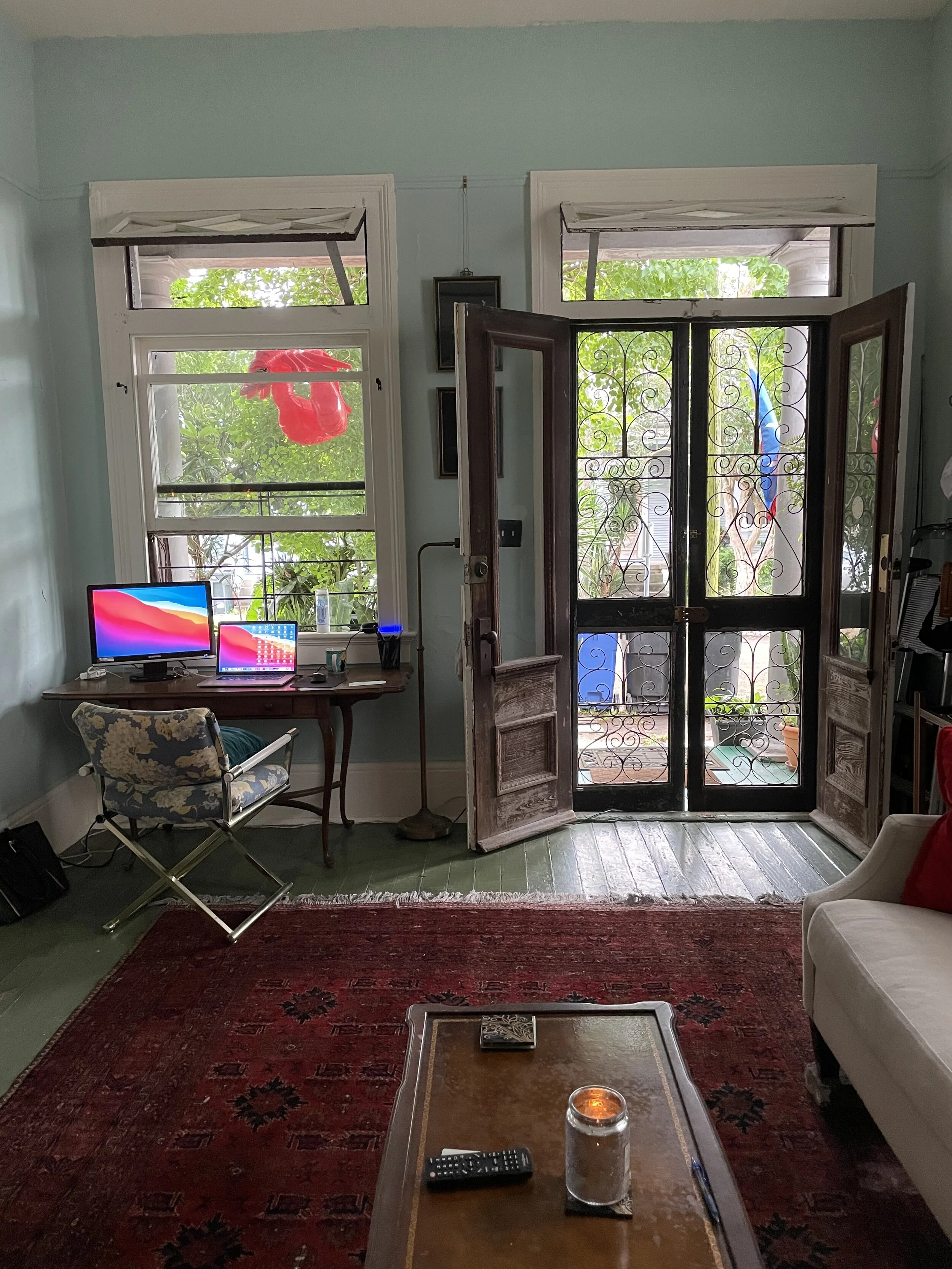
Operable windows and transoms are important to staying cool in historic houses!
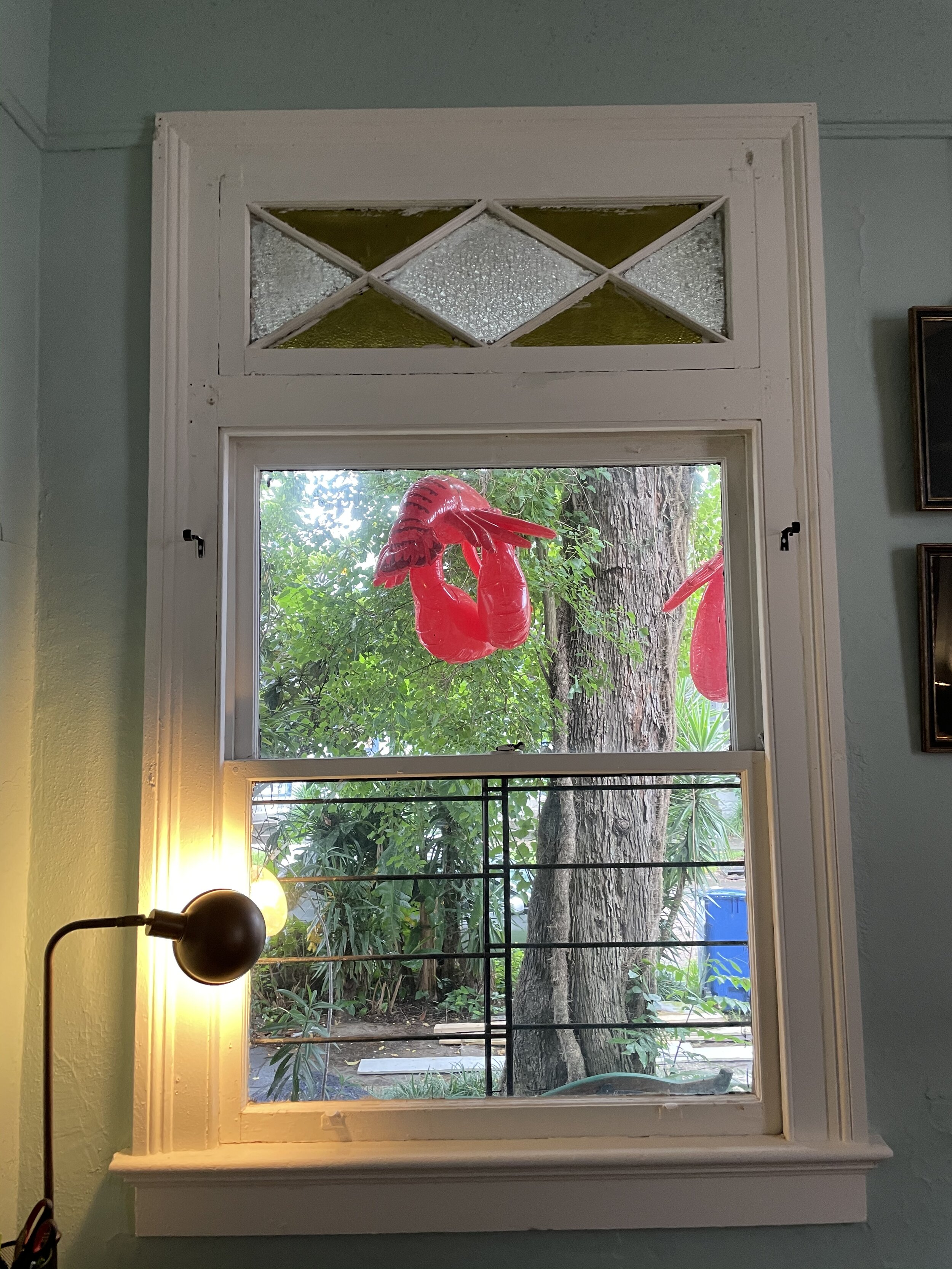
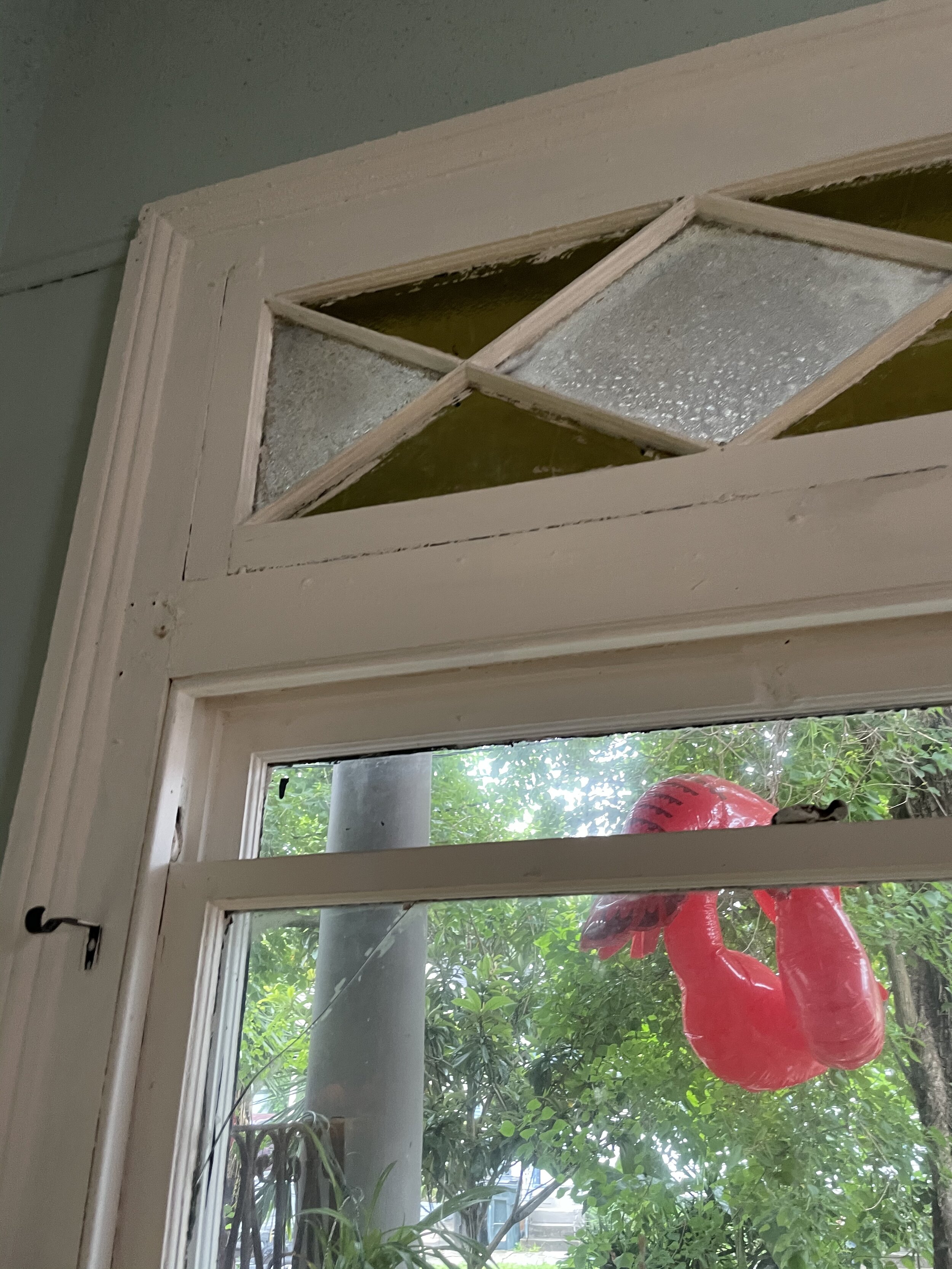
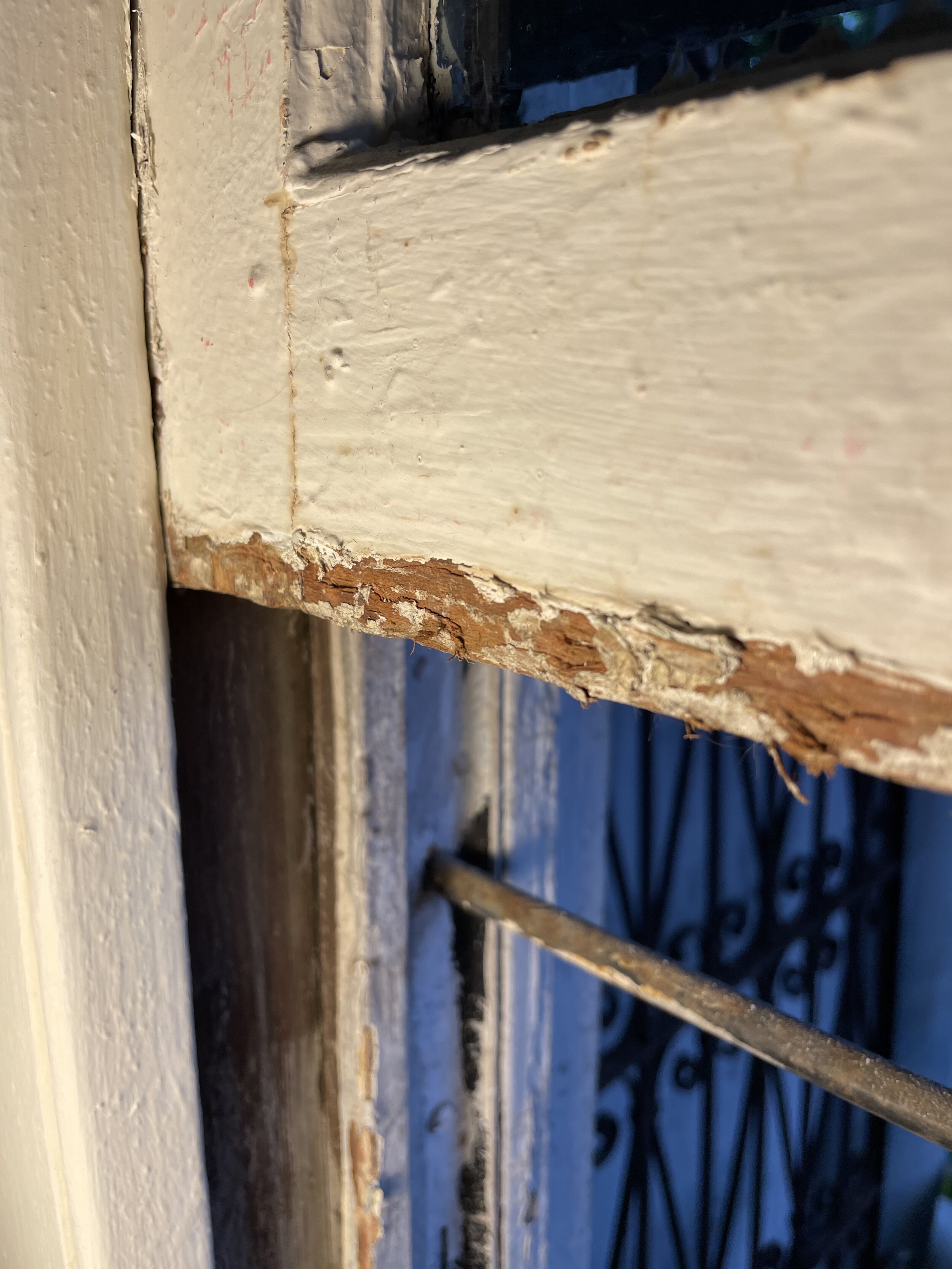
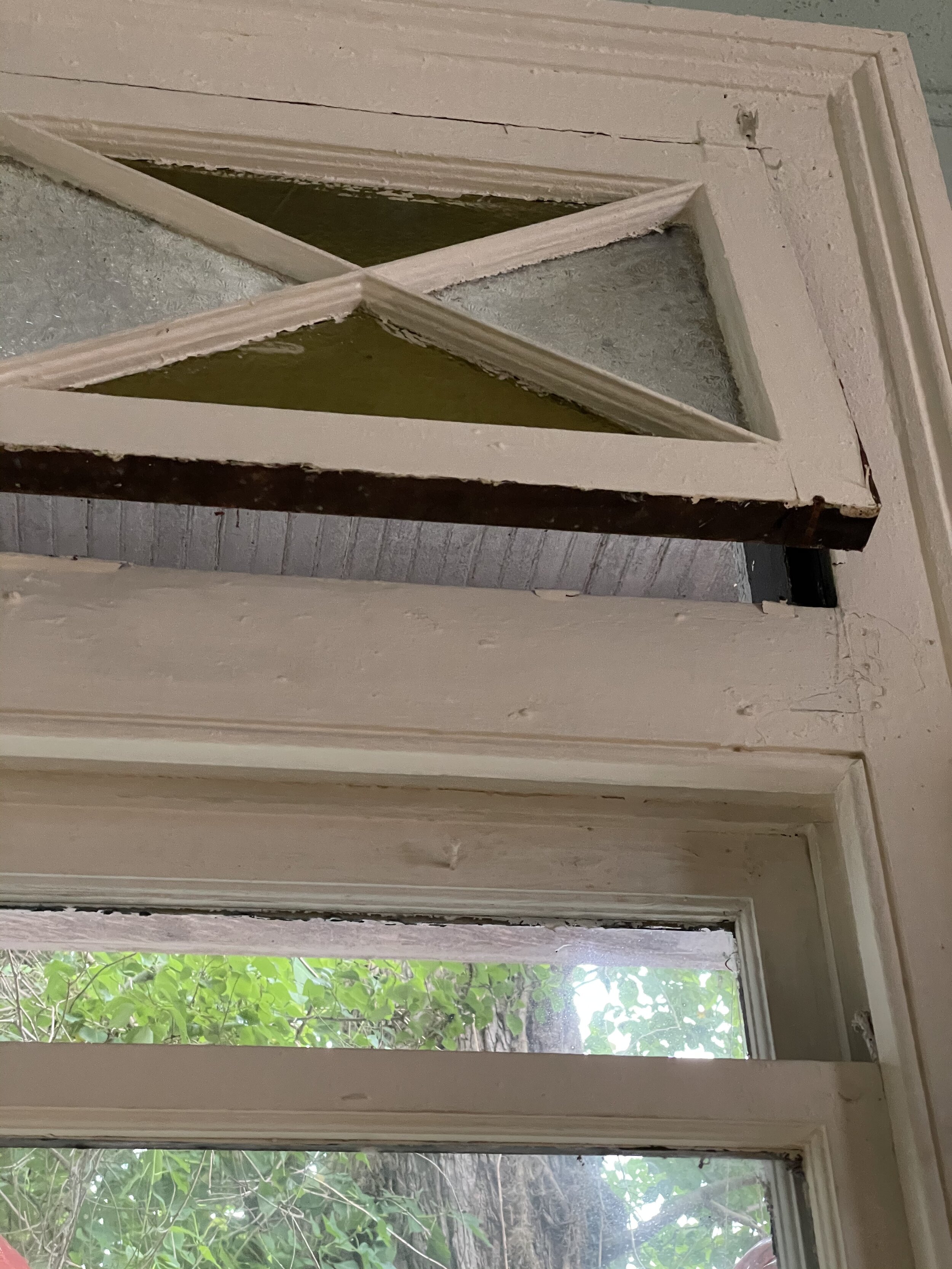
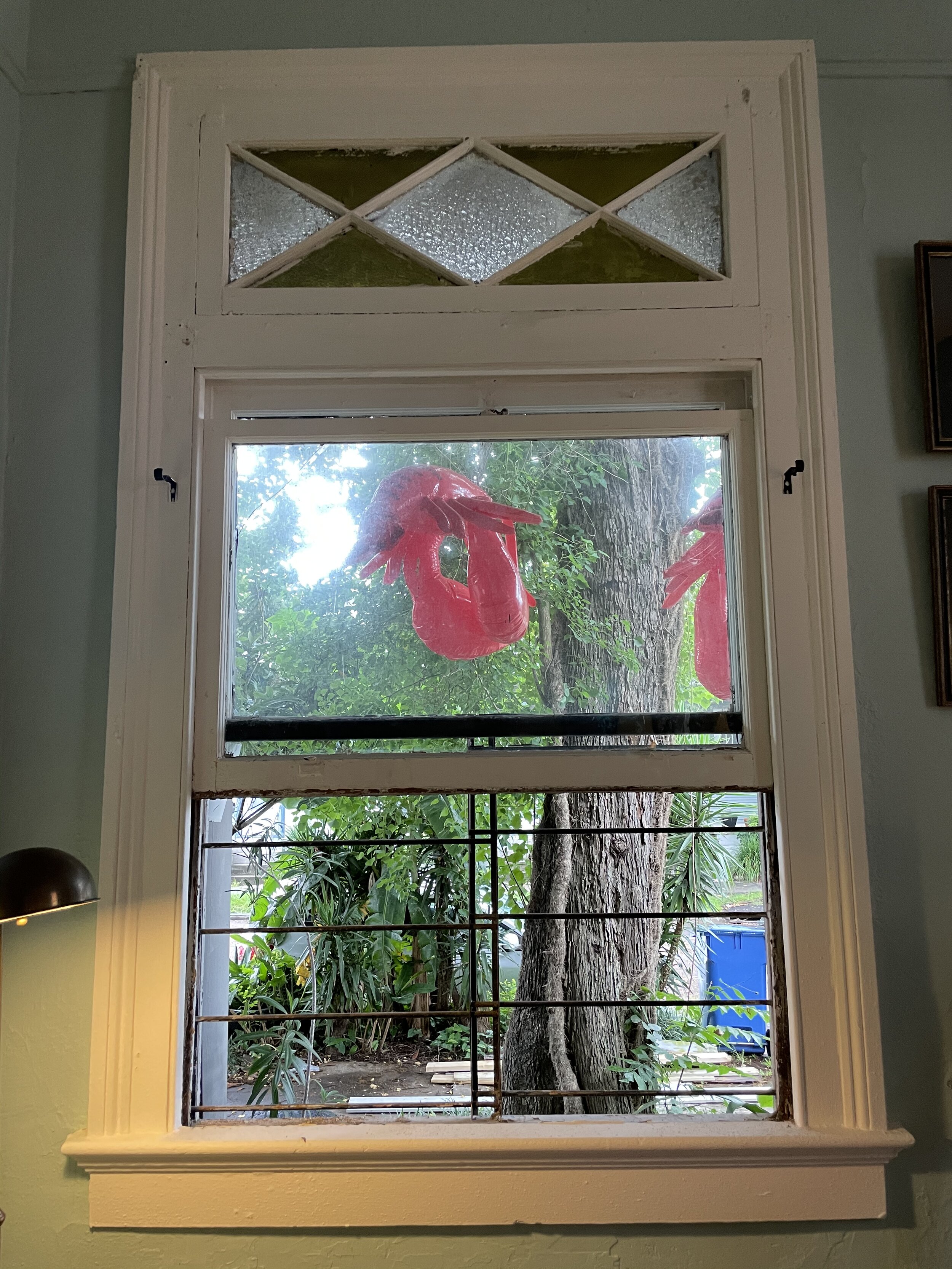
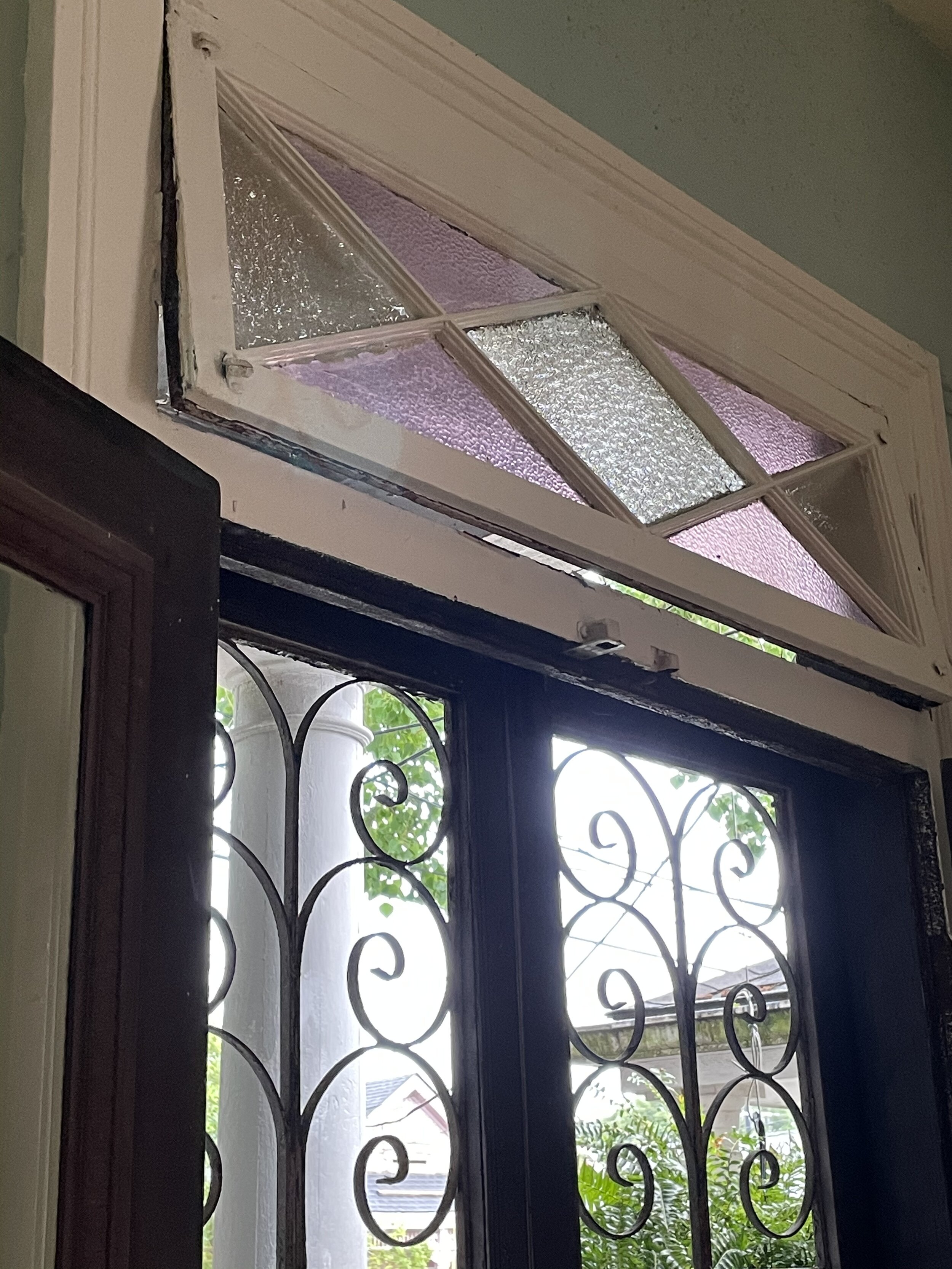
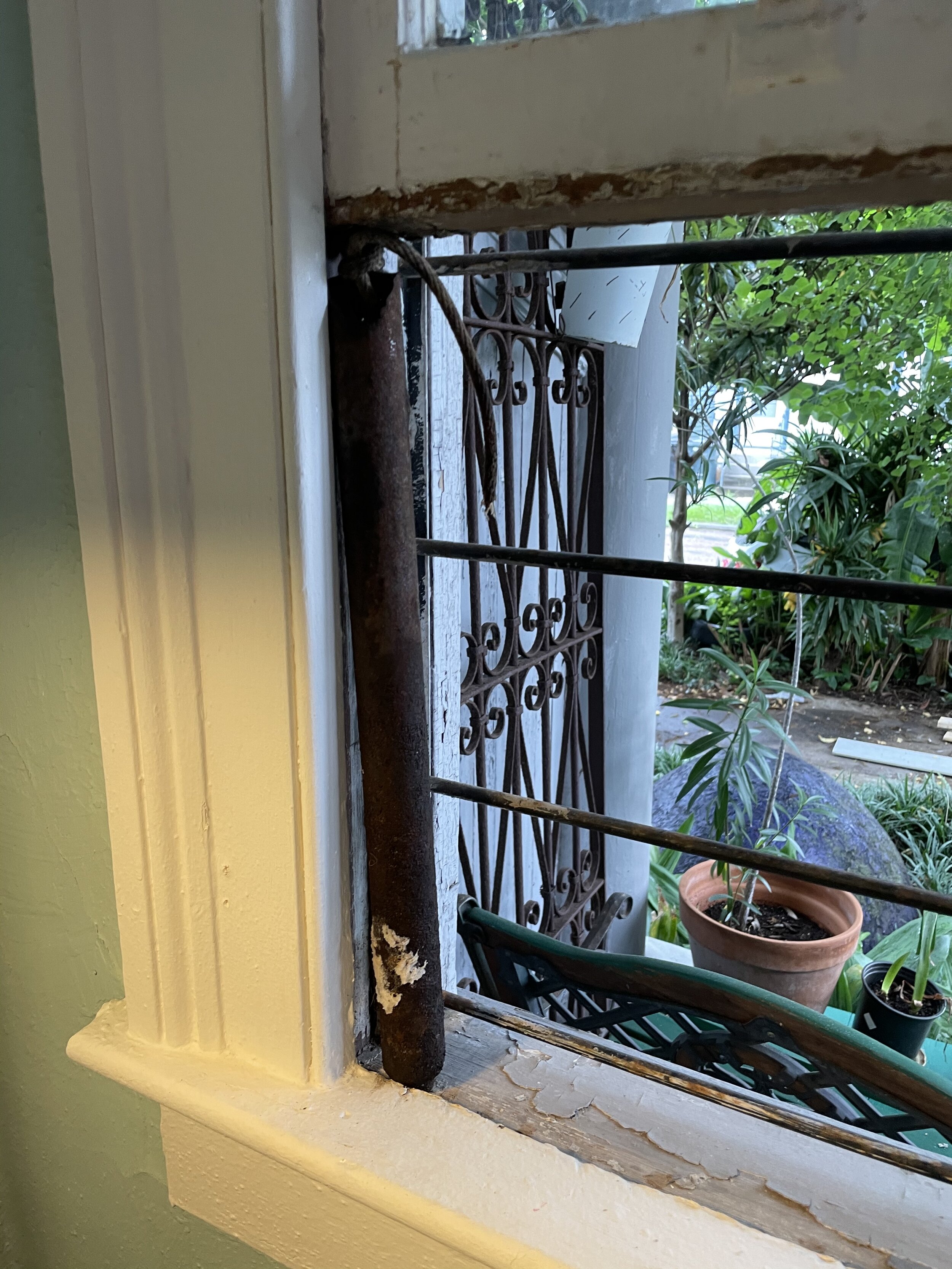
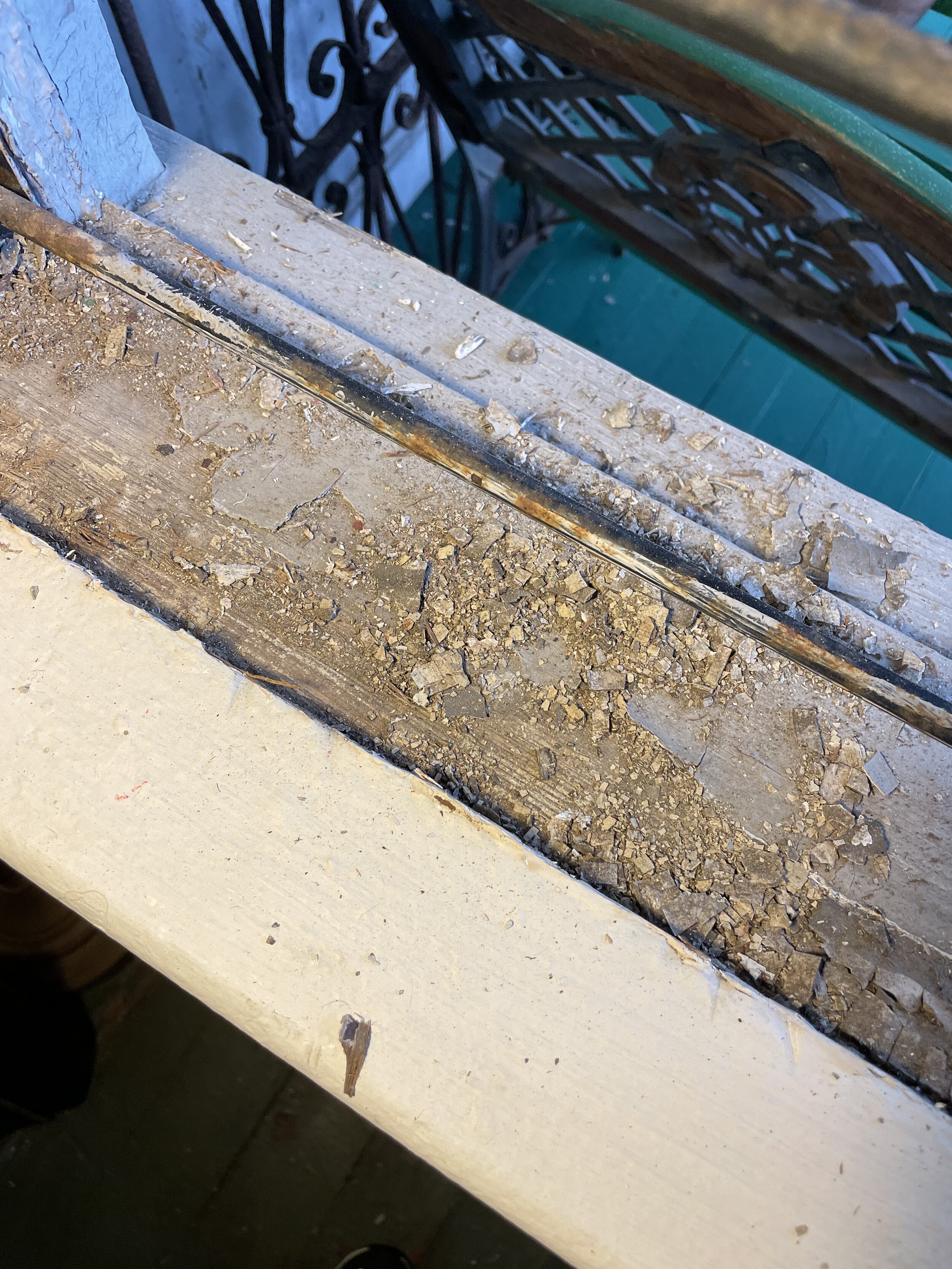
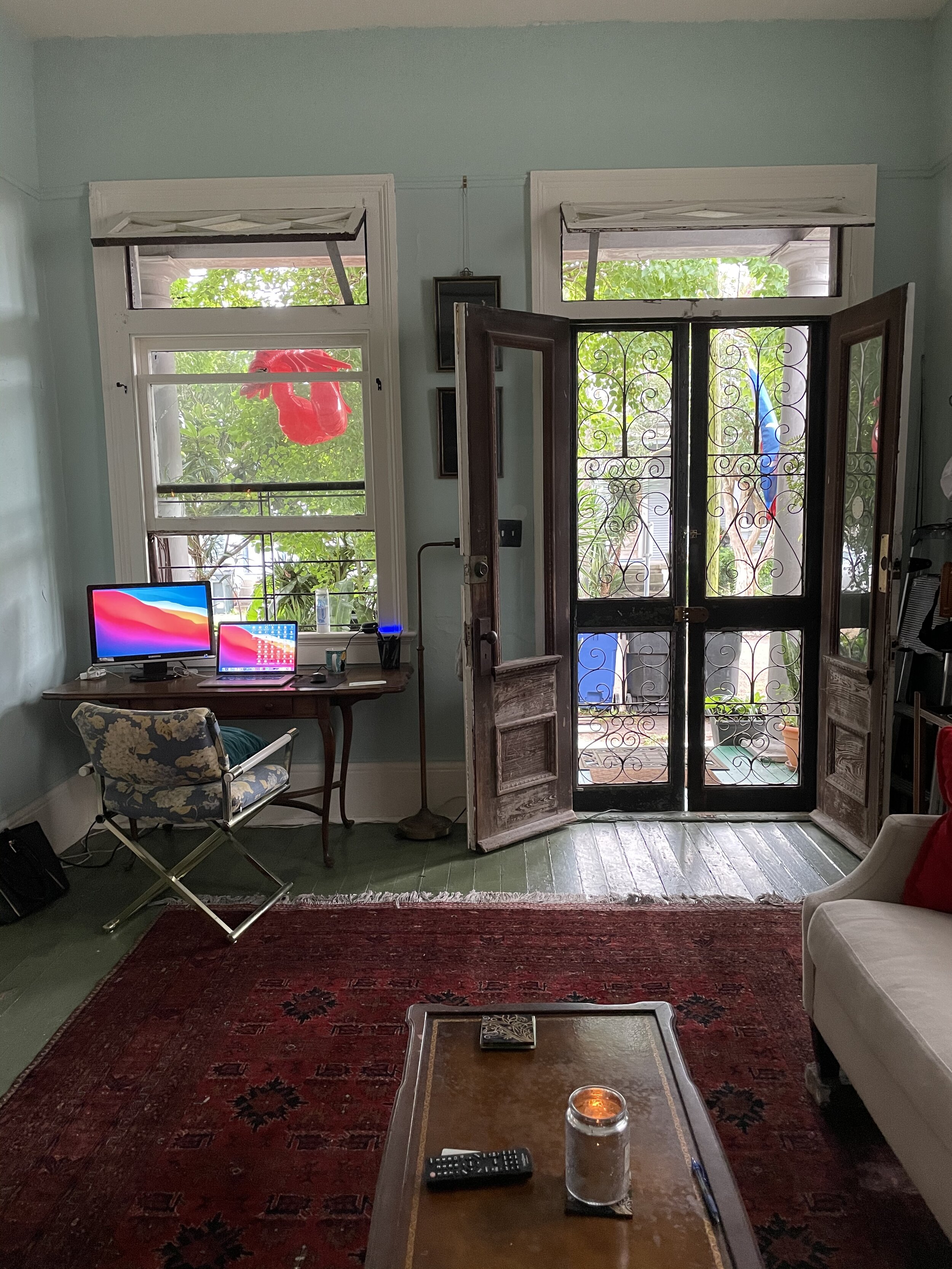
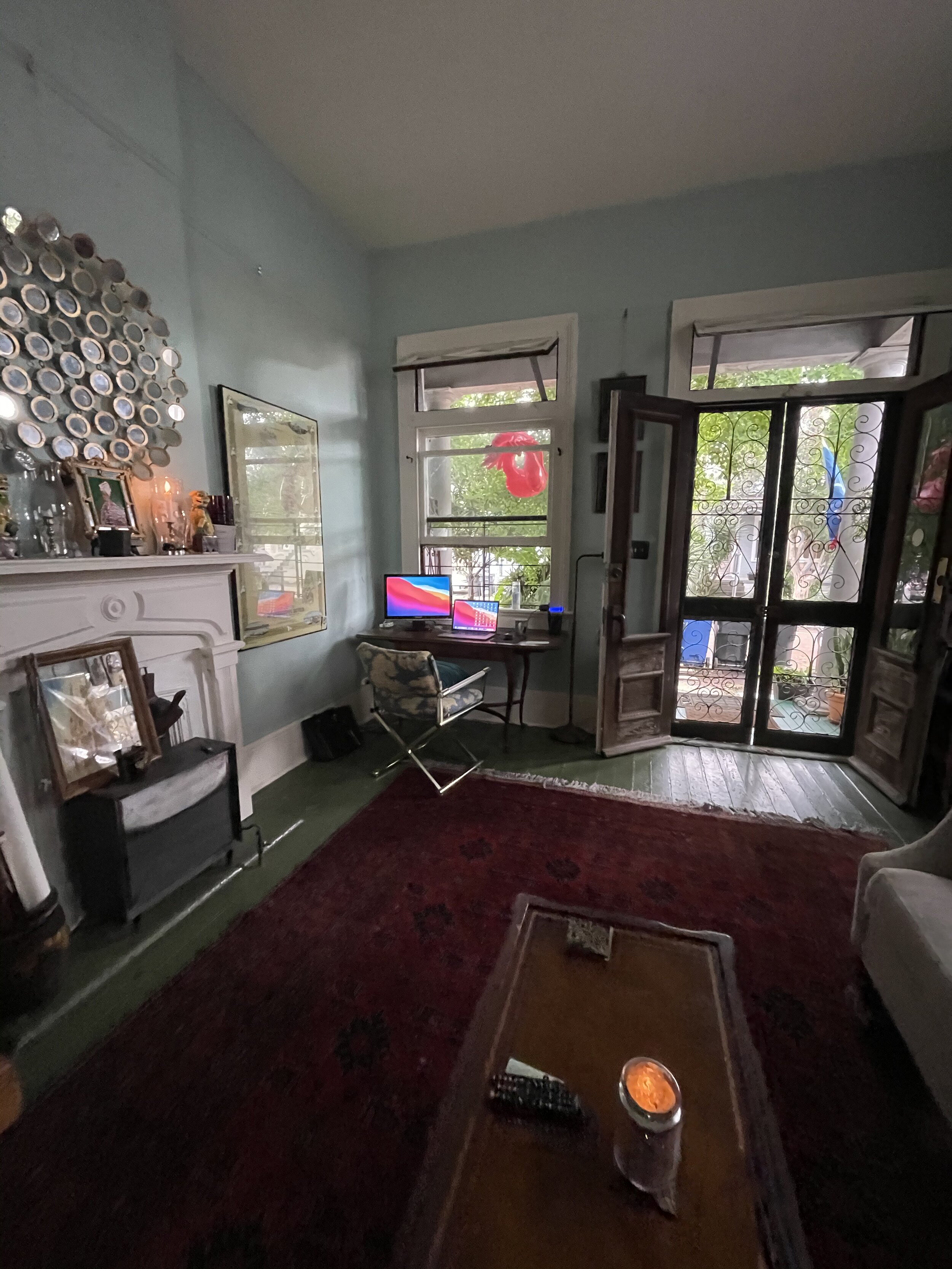
The morning of June 18, 2021 was humid, and our little window unit was just not cutting it! The double-shotgun office in Bayou St. John had just two operable windows on the side of the house that had no real airflow. Unfortunately, the windows and transoms on the facade of this c. 1910 Classical Revival style double shotgun had been sealed up by years of paint, caulk, and dirt. The neighbor told me that her husband installed the window unit in the 1960s and they decided to close the windows “forever” because “we didn’t need to open windows anymore, we have air conditioning!” That kind of thinking was quite common in the mid-20th century. Technology was chic and popular! In New Orleans, though, our power regularly goes out, making us desperate for air flow during times were power is not reliable. Plus, those noisy window units can make quite a disturbance and visually unappealing to say the least!
There was a big problem here! People no longer understood the value and ease of natural air cooling. Historic houses in New Orleans were built to adjust to the humid climate, allowing these old houses to breathe naturally! The National Park Service Preservation Brief 9: The Repair of Historic Wooden Windows by John H. Myers states, “The windows on many historic buildings are an important aspect of the architectural character of those buildings. Their design, craftsmanship, or other qualities may make them worthy of preservation.” Our society has forgotten the value of operable windows!
I opened my email on June 18 and Peter Patout and Lee Anne Garner had group emailed me an article written by Eva Fedderly in MyNewOrleans.com article Bright Ideas | Staying Cool. Peter’s interview discussed the brief history of natural air cooling in historic buildings. The answer to my hot house problem stared me in the face: OPEN THE WINDOWS AND TRANSOMS! When we first moved into the office in February, we knew that getting the windows operable was bound to happen, we encourage this with our clients all the time.
The time had come, after reading Peter’s article, I was motivated and just hot enough to get started. I took my hammer, box cutter, crowbar, and brushes to the facade and began work on opening the windows and transoms myself. After two humid hours of careful paint and caulk loosening and gentle nudges by the crowbar so as to not break the historic glass, I loosened free the windows and transoms.
Instantly, I felt the house breathe a sigh of relief. I too breathed a sigh of relief. After 55 years of being bound, the house moved cool wind from the facade through the house like a gentle morning in the British Isles or some other romantic scene worked much better on several levels. The quiet house was calming. The sounds of birds and wind outside was charming. I knew this was the right thing to do, you start to feel what’s right with the house. I could feel the house say “thank you.”

Staying Cool
Peter Patout reveals what we can learn from historic homes.
Originally posted on MyNewOrleans.com 06/01/2021 by Eva Fedderly, Photos by Eugenia Uhl
Denizen of the French Quarter, Peter Patout knows classical Southern homes. As both an architecture historian and licensed historic property realtor, Patout says there’s much to be gleaned from the structures of old New Orleans houses. Going back to the early roots of the city, new inhabitants embraced design elements that were beautiful and practical; that embraced gracious living while cooling down the house. With summer upon us, Patout shares here how historic home design can inspire us, particularly in staying cool during the sizzling summer months.
New Orleans homes of the 18th, 19th, and 20th centuries were designed in response to climate. The earliest vernacular homes were designed in what became known as French Creole Louisiana architecture. Then, it evolved into neoclassical, to Victorian architecture, to bungalows, and finally to midcentury modern. I grew up in a midcentury home that my parents built. In the beginning, we didn’t have air conditioning, so from a young age I was comfortable using fans and the porch to beat the heat.
Shutters were included on most of New Orleans’s earliest homes. They were solid or louvered shutters of great quality and style. They also served as built-in hurricane protection, and still do. As Hurricane Katrina approached, we closed our shutters to protect us from the storm. Closing the shutters is a wonderful (and free) way to provide shade and coolness. Plus, you can paint shutters in myriad hues to add a festive, fun pop of color to your home. My shutters were inspired by a trip to Cuba, where I discovered the most impeccable shade of sky blue.
Ceiling fans are used for circulation. With the advent of electricity, many homeowners invested in ceiling fans, which arrived in the late 19th century. Transom windows over doors were also used to further ventilate rooms. Today, the iconic Southern fans and transom windows are still used for moving stale air and providing a light wind. I’ve never bought a new fan, but for those who prefer new, I advocate a four-blade Hunter fan, which lasts forever. I always am sure to invest in vintage fans. Historic ceiling fans come in a variety of colors and are great quality. Usually I opt for a flat black fan with wood blades, though I also invested in a cerulean blue fan with a yellow stripe on each blade.
Balconies and porches add charm, while serving as wonderful places to visit and catch a breeze off of the Mississippi. European immigrants first built homes sans balconies and porches, but quickly learned that the weather was a challenge. They added balconies and porches to the early architecture of the area, providing eyebrows for the homes so the sun doesn’t hit the main part of the houses. Balconies and porches also provide outdoor rooms for sleeping and entertaining al fresco. This tradition has carried on in some fashion throughout our time.
Plant aromatic gardens filled with confederate jasmine and antique roses. In the 18th and 19th centuries, they would consciously plant big gardens to combat foul odors. Settlers brought gorgeous flowers indigenous to Asia and Europe, such as Souvenir de la Malmaison roses, and planted them in Creole gardens. With the humidity, malodorous smells can still waft through our neighborhoods. I suggest planting roses, jasmine and gardenia because they’re romantic and nostalgic.
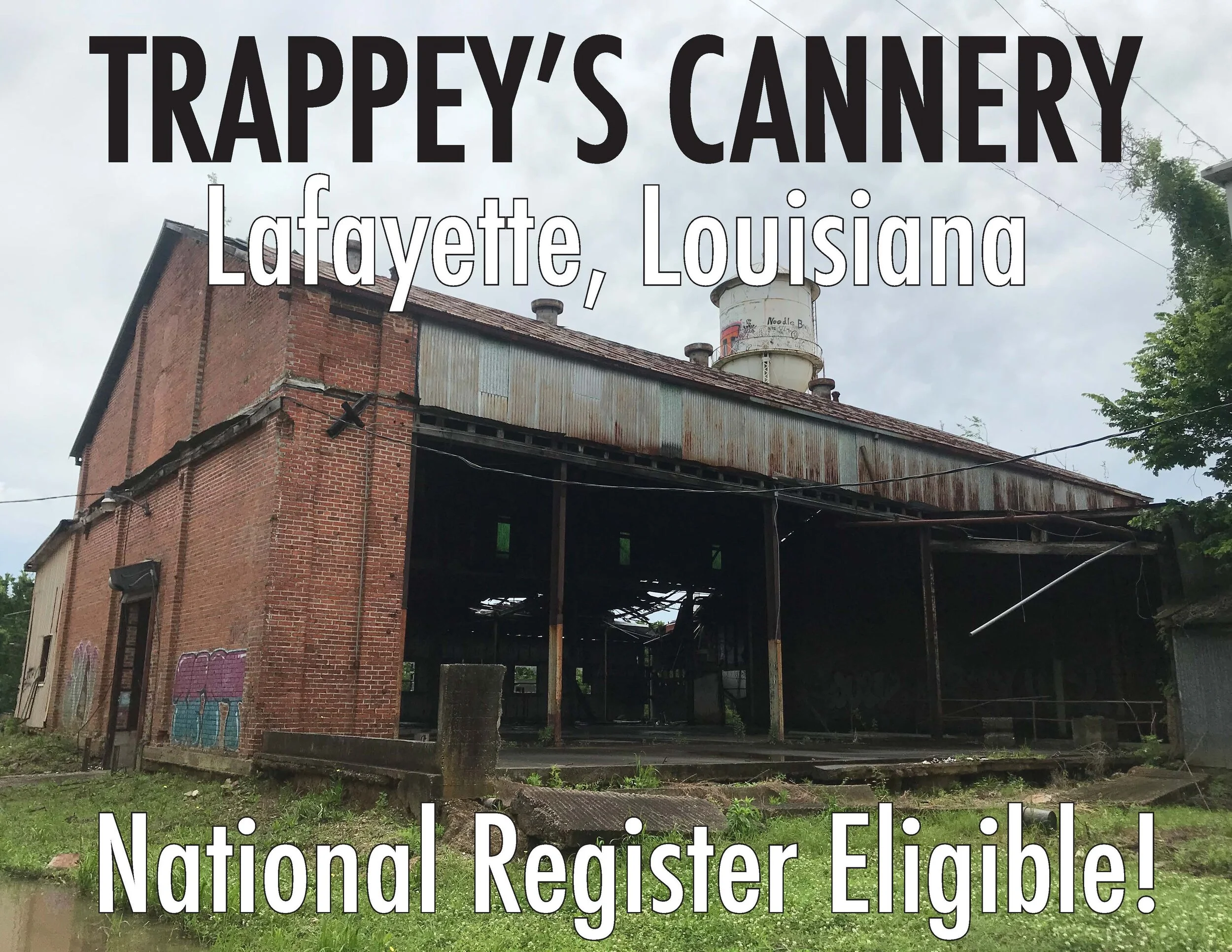
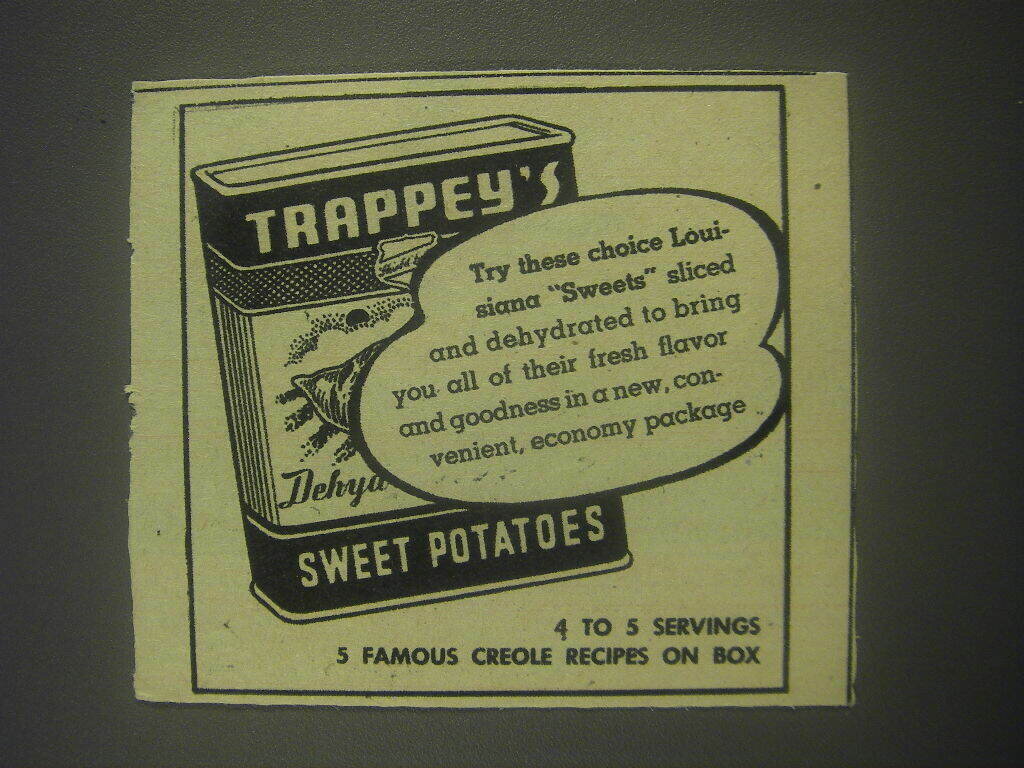
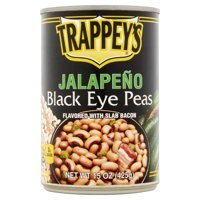
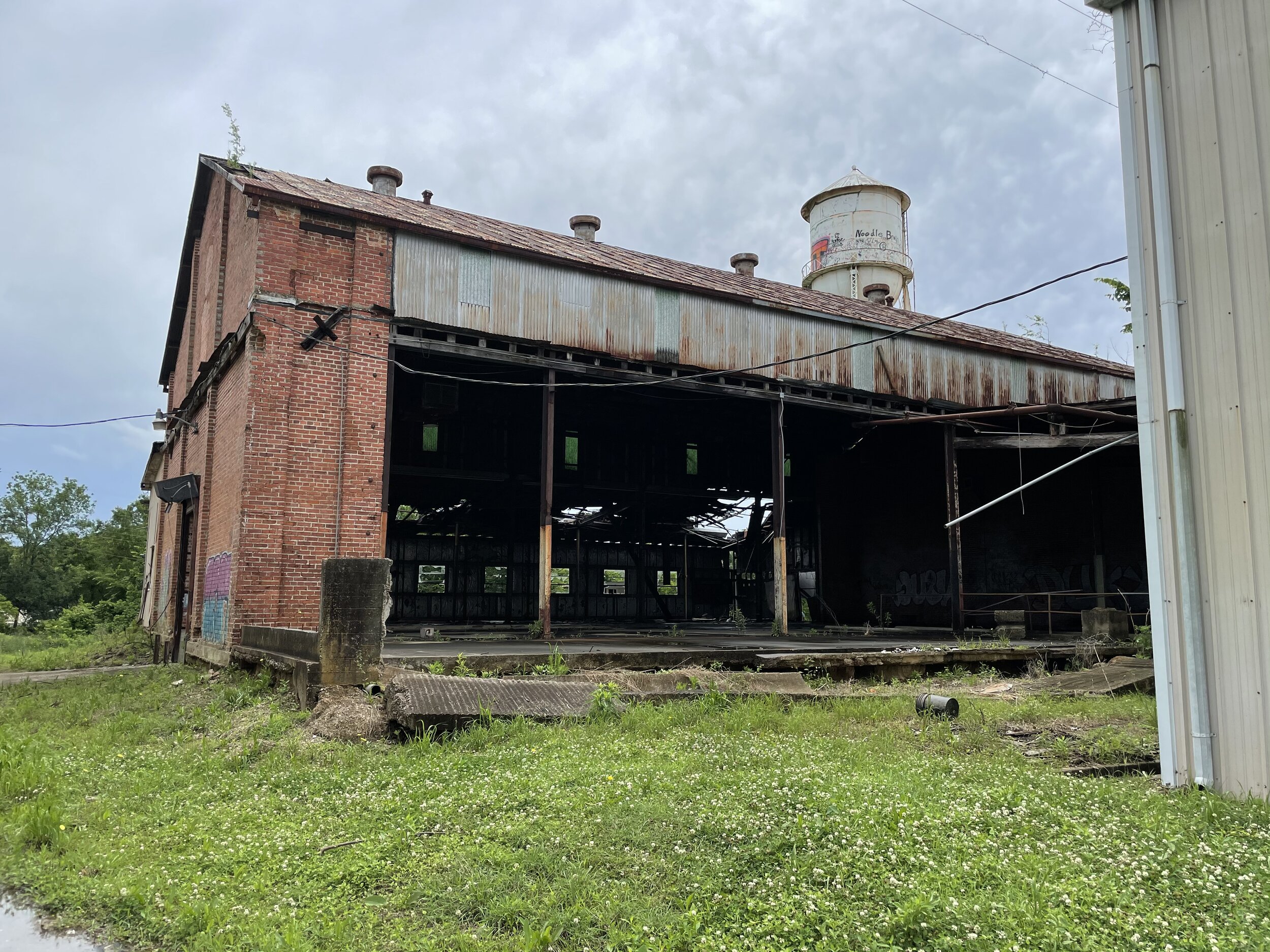
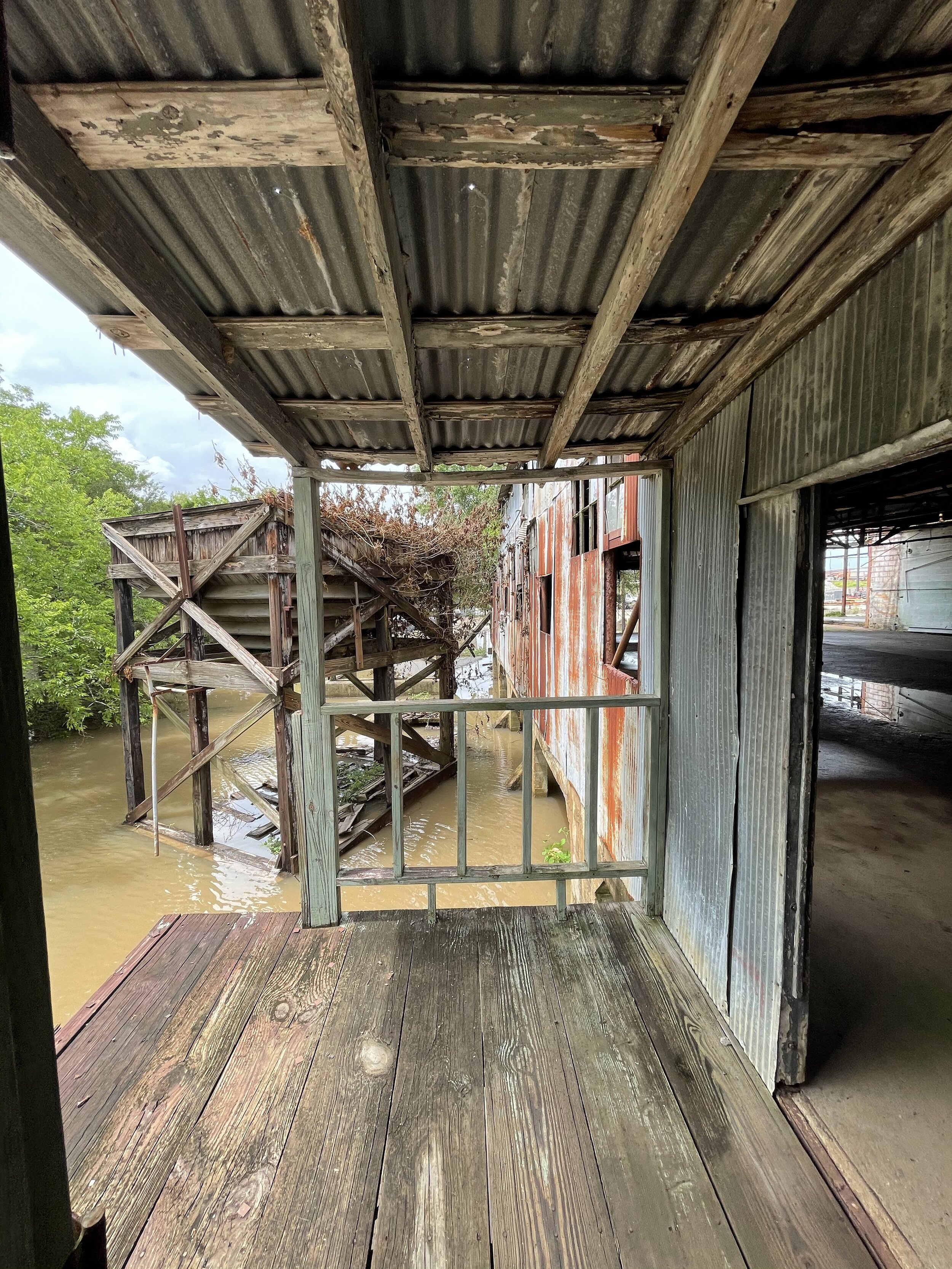
Trappey's Cannery: National Register Eligible
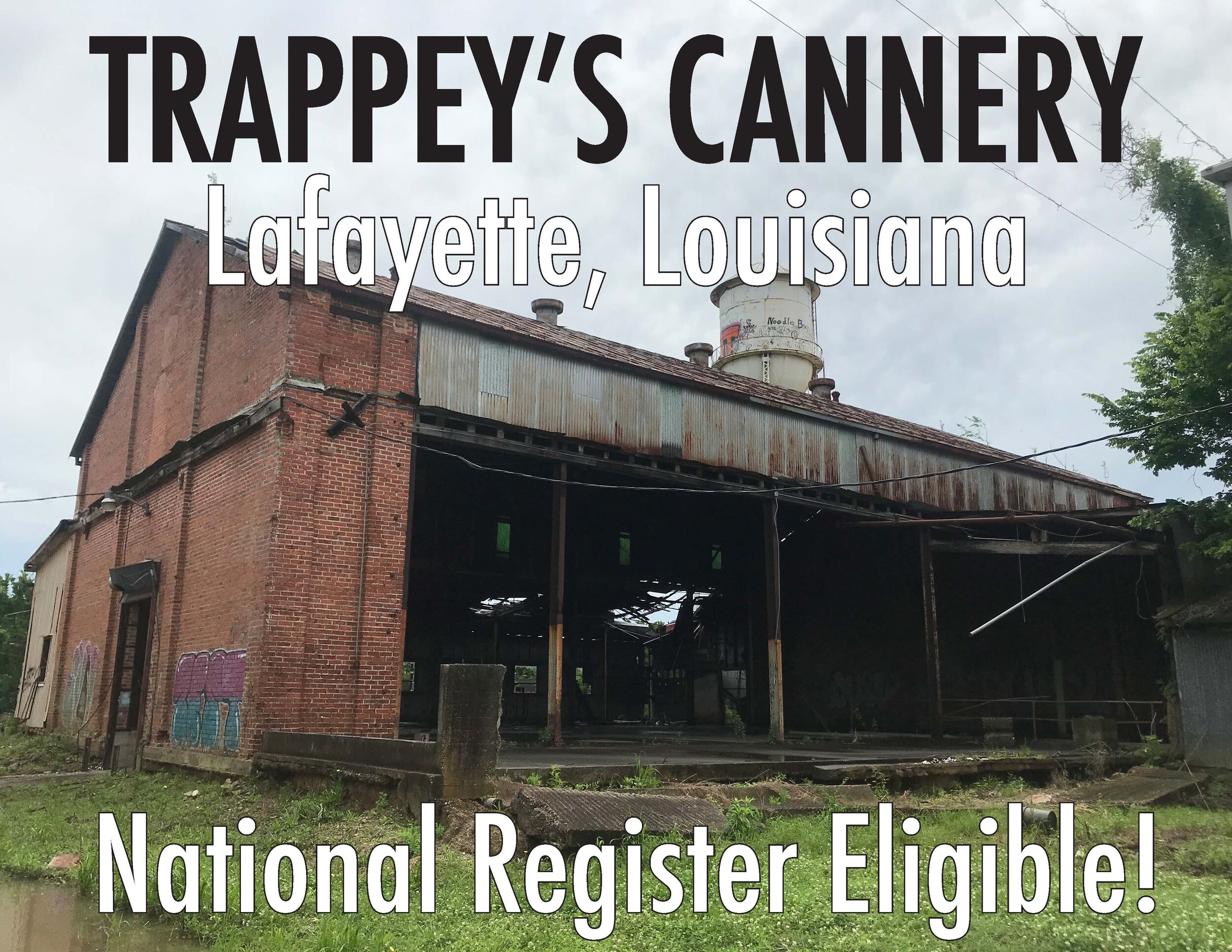
In Lafayette Parish, Trappey's Cannery has had a long and colorful history in Louisiana's Creole culinary arts. Bernard Francis Trappey began bottling pepper sauce on the site of his blacksmith shop on Avery Island about 1898. By 1918, his firm B. F. Trappey's Sons, Incorporated was established in a bottling plant in New Iberia. In 1929, Trappey purchased an 8-acre tract on the Vermilion River between the super-highway and Guidry Street in Lafayette, formally operated as the Baldwin Lumber Company and Star Salt company. Plant manager and son of Bernard, Randolph J. Trappey, Sr. decided to do all of its canning in the Lafayette plant, and its bottling of pepper sauce and other items in glass in New Iberia. A syrup mill was added with canned figs, blackberries, and okra, and okra became a staple in the Trappey line. At the new Lafayette cannery, Trappey's developed a canned yam product preserved in a heavy syrup, which became an important product in World War II. During the war, this complex produced over twelve million pounds of canned candied yams for the U.S. and allied military forces. Equipment had to be designed to handle the canning and bottling operations. The okra trimming machine was patented by the Trappey company after development by Randolph Trappey, Sr. and George LeBlanc, the chief maintenance man, and machinist in Lafayette. New market trends were pioneers or followed the Trappey's in updating the plants. Frozen food processing was one, and the company froze okra and pre-sliced yams. Trappey's revolutionized the Louisiana yam industry. The 18-foot litonia soil deposited long ago by the Mississippi on Acadiana gives the special natural flavor. By 1968, over ten million cans of sweet potatoes in a cornucopia of store shelves were stocked around the world annually. The plant employed between 350 people on a regular day to 600 persons in the peak harvest season and made a substantial contribution to the economic welfare of the community. It also attached glamorous names to farm commodities, promoted Creole cooking, and helped give Louisiana foodstuffs an appealing public relations image around the world, Bernard Trappey, Jr. was a distinguished gastronome himself, and contributed to the revival of Acadiana's Ancient Order of Creole Gourmets. The company recitated the influence of the French and Spanish on Louisiana, promoted the history of famous chefs of the state, and the history of art and culture of the state with an emphasis on good food. What began as a family pepper sauce industry in Acadiana in 1898 grew to be a worldwide food company with more than 100 international brokerage representatives.

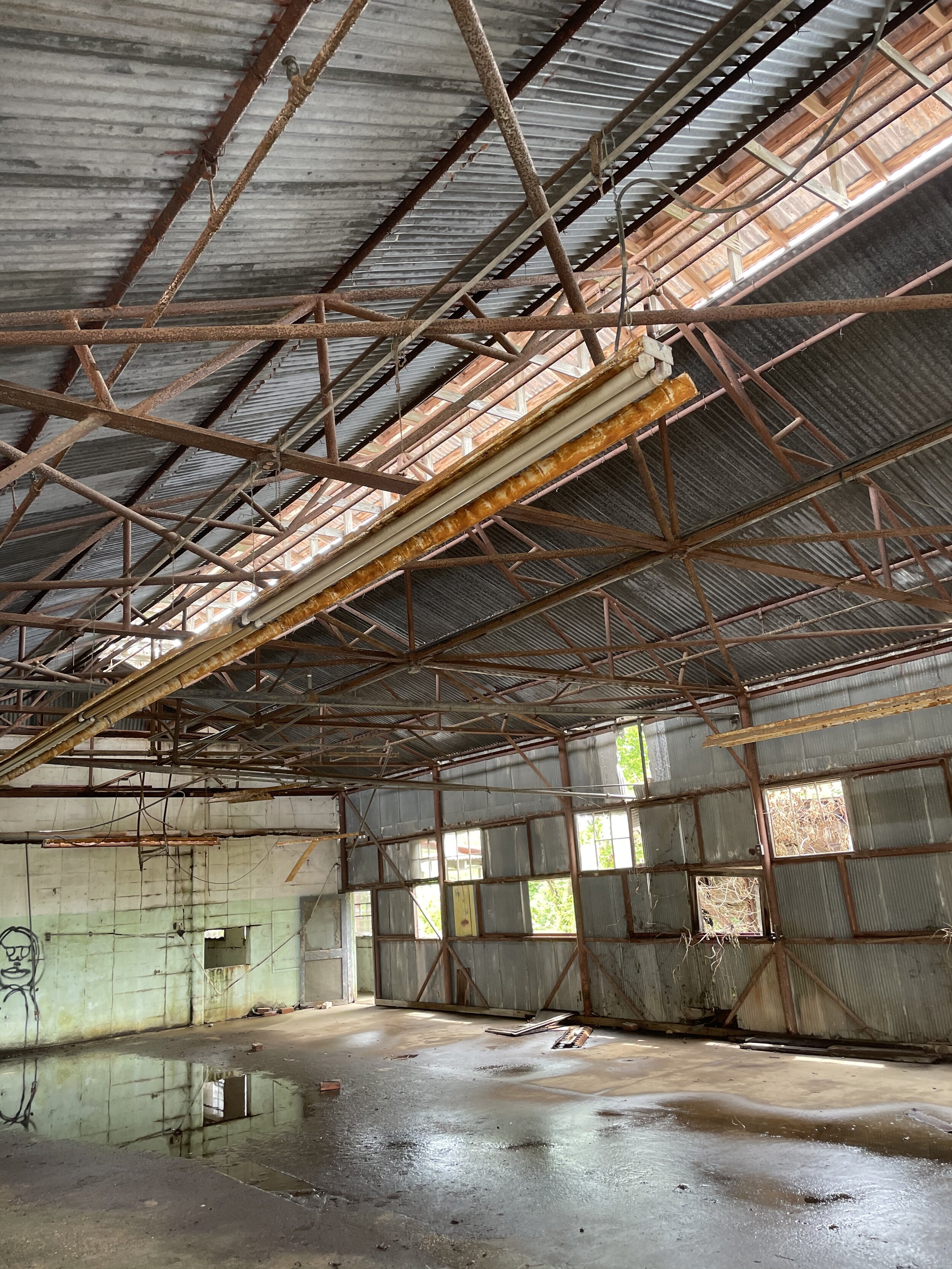
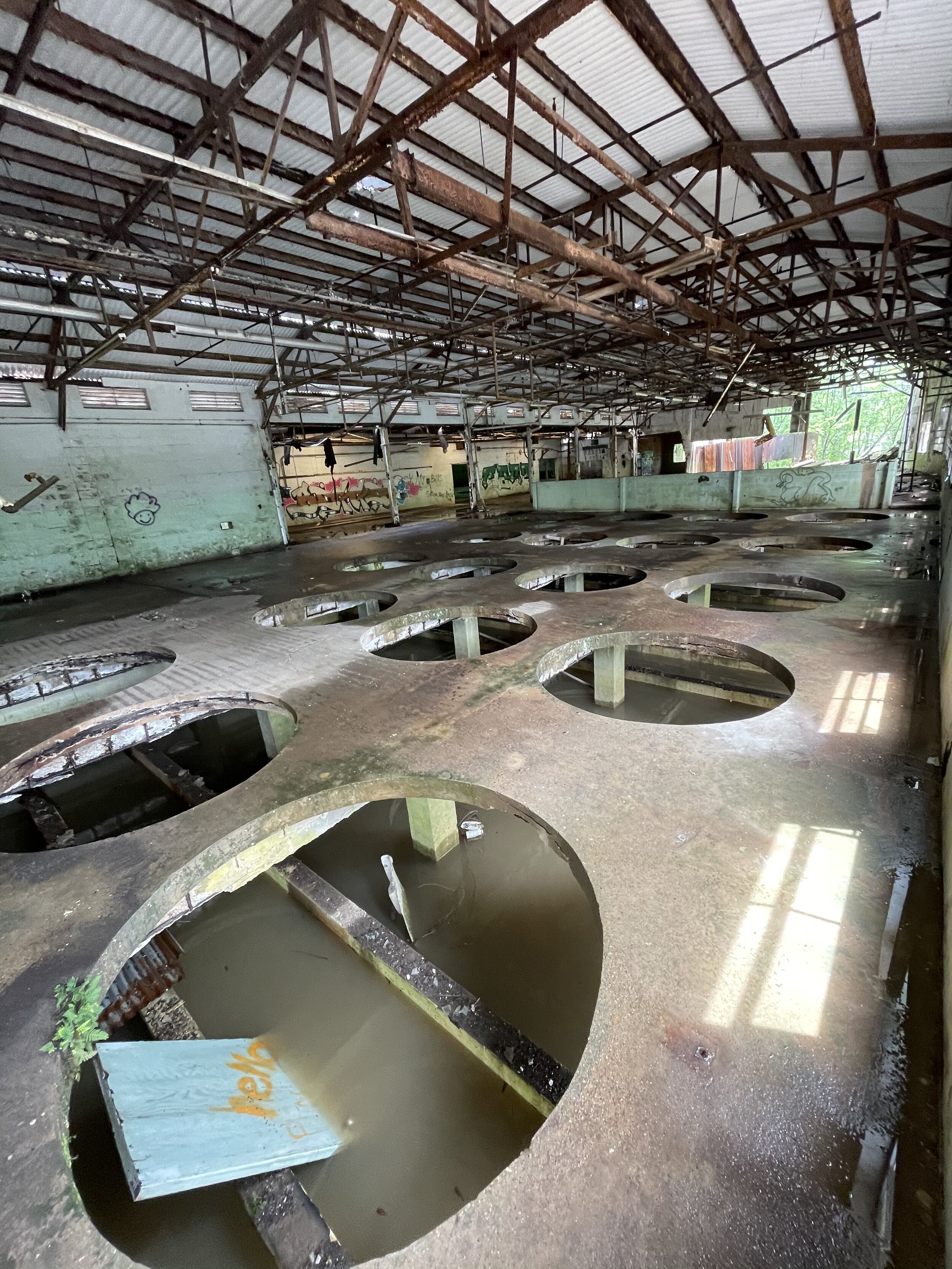
Trappey's complex was originally part of the 1920 Baldwin Lumber Company and Star Salt Company. After the lumber and salt companies closed in 1928, the complex was purchased by B.F. Trappey's Sons, Incorporated in 1929, and opened operations in 1930. The Trappey's Cannery site has nine extant resources, all contributing within the period of significance, which will begin in 1930 - the date that the site was acquired by Trappey's, and end in 1972, the approximate date of the last building constructed by Trappey's.
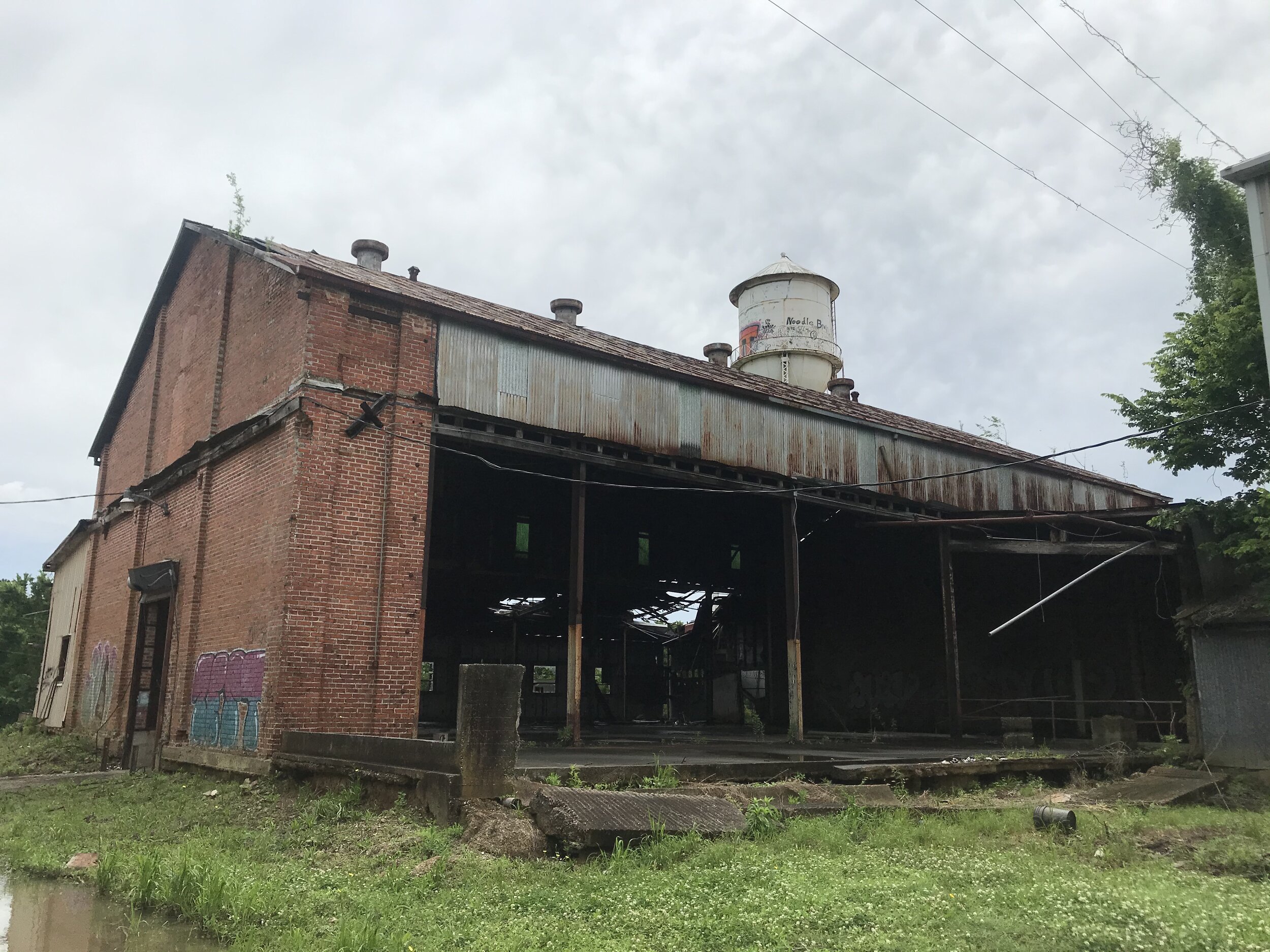
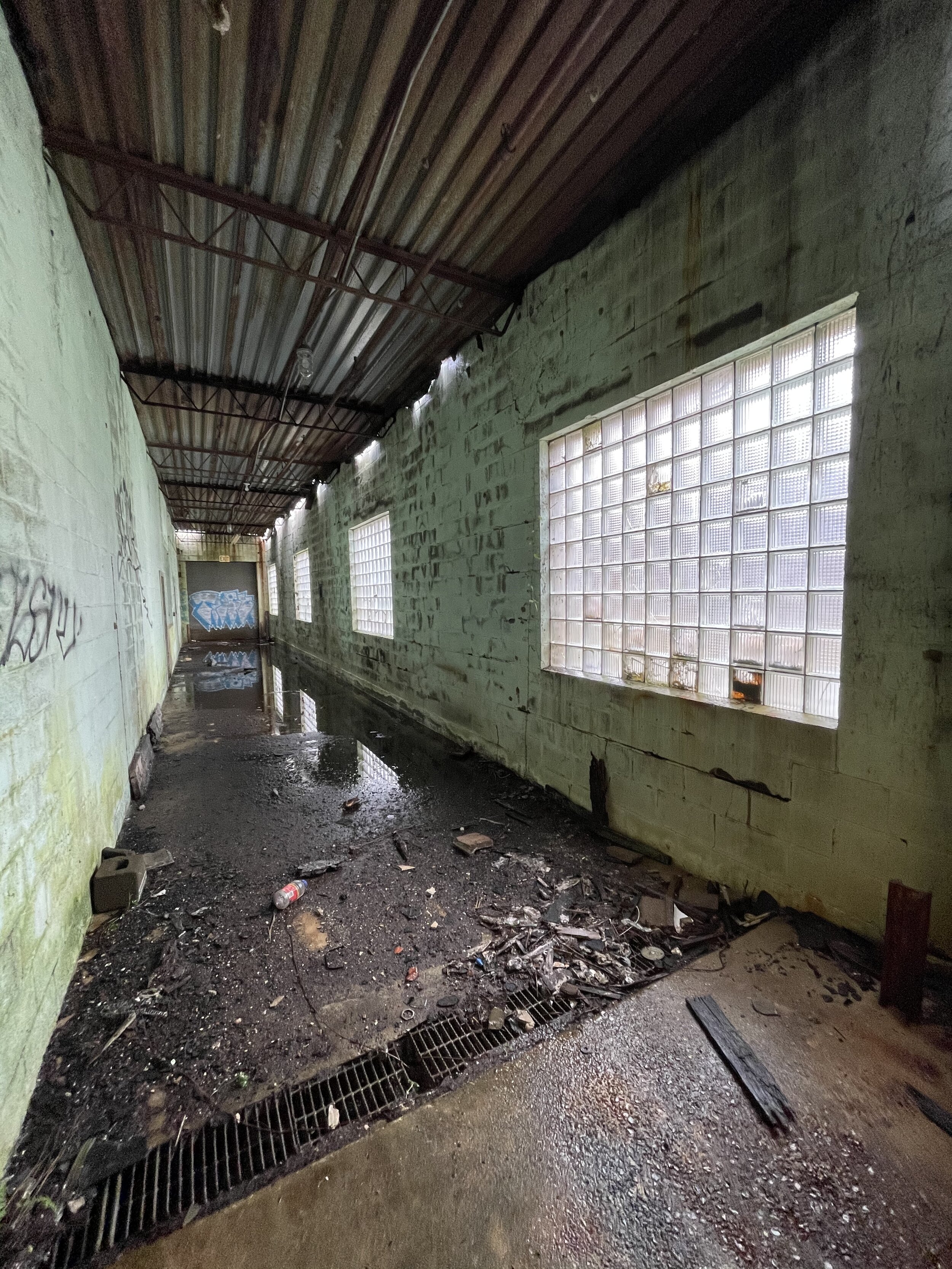
Bldg 1: Constructed c. 1950 as a Tinman water tower to Trappey's situated behind building 6. The tower is supported on four sides by steel trusses towering about thirty feet above the ground. The tower is less than 20 feet in diameter and has a conical metal roof with guardrails surrounding the cone.
Bldg 2: Constructed between 1949 and 1969 as a warehouse/storage building to Trappey's situated along the Vermilion River on the southern part of the complex. It appears to be in fair condition, and at grade on a concrete slab and clad in metal siding with a moderate pitch front gable roof also covered in metal.
Bldg 3: Constructed between 1940 and 1949 as a drier to Trappey's situated along the Vermilion River on the southeast corner part of the complex, in fair condition, and attached to several other structures. It is on a concrete slab and clad in metal siding with a moderate pitch front gable roof also covered in metal.
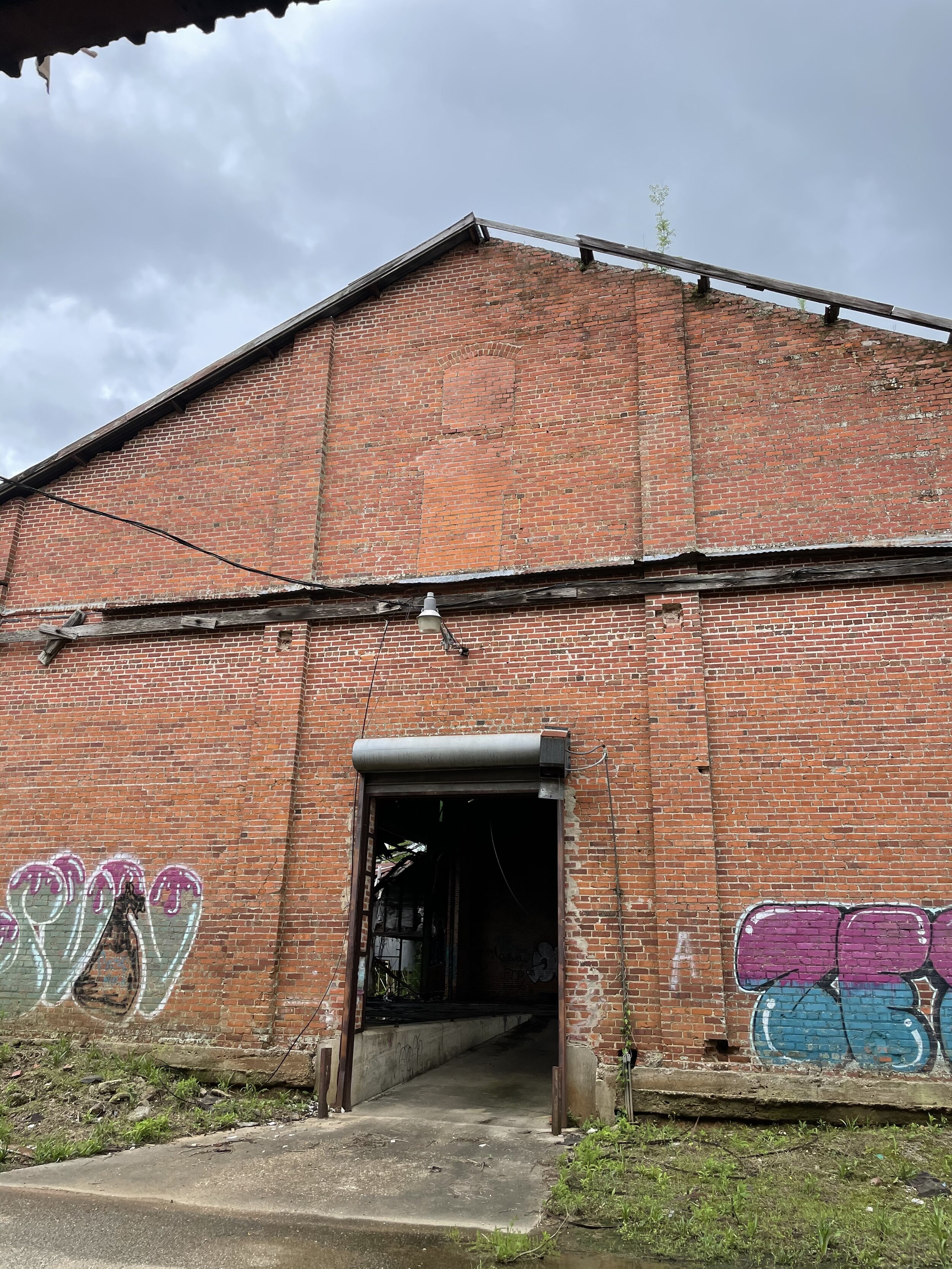
Bldg 4: Constructed between 1928 and 1940 as the canned goods warehouse to Trappeys, and was added to between 1940 and 1949. The building is in fair condition, and is attached to several other structures. The building has brick load bearing walls with a front gable moderate pitch metal roof and a shed roof porch on the front. The foundation is raised brick piers. A side brick shed addition was added between 1952 and 1969. Note: based on historic maps, it is possible to some extant features of the original Star Salt Company warehouse was incorporated into the new building.
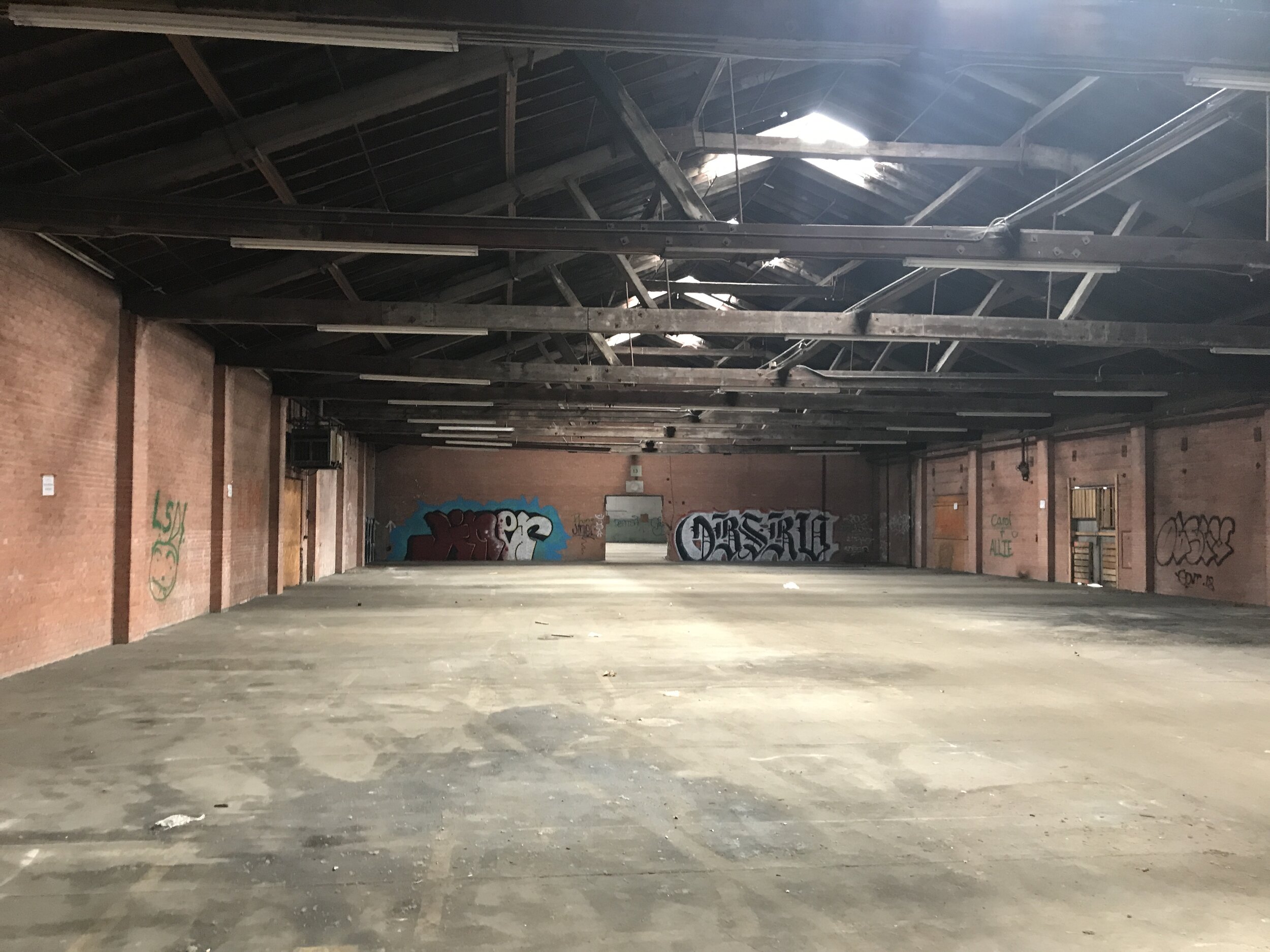
Bldg 5: Constructed between 1920 and 1928 as the saw mill to the Baldwin Lumber Company, and was modified and added to between 1940 and 1949 by Trappey's, where it served as a warehouse. The building is in good condition. Clad in brick (American bond) with a foundation of concrete clock piers and load bearing brick construction with a metal moderate pitch front gable roof. Front brick bay addition added between 1949 and 1969. The train used to pass on side to loading dock. There is a hallway to building 4 attached.
Bldg 6: Constructed between 1920 and 1928 as the lath and shingle mill to the Baldwin Lumber Company, and was modified and added to between 1949 and 1969 by Trappey's, where it served as a warehouse. The building is in good condition. Clad in concrete clock and sheet metal with a concrete slab foundation and steel frame construction with a low-pitch metal front gable roof.
Bldg 7: Constructed between 1920 and 1928 as the boiler room for the Baldwin Lumber Company, and was modified between 1940 and 1949 by Trappeys, and served as a crate warehouse. The building is in good condition. Clad in brick on a raised foundation on a load-bearing brick construction with a metal moderate pitch front gable roof. It is attached to building 8 on the rear.
Bldg 8: Constructed between 1920 and 1928 as the Independent Electric Powerhouse for the Baldwin Lumber Company, and was modified between 1940 and 1949 by Trappeys, and served as a warehouse. The building is in good condition. Clad in brick on a concrete slab foundation on a load bearing brick construction with a metal moderate pitch front gable roof.
Bldg 9: Constructed c. 1971 and 1981 as a warehouse to Trappey's. The building is in good condition. Clad in sheet metal on a concrete slab foundation with steel frame construction with a low-pitch metal front gable roof. There is a covered truck loading dock on the north side of the building. Although the exact date of construction is not determined, yet, it is of a similar scale to the other large warehouse buildings on the site and does continues the integrity of the complex.
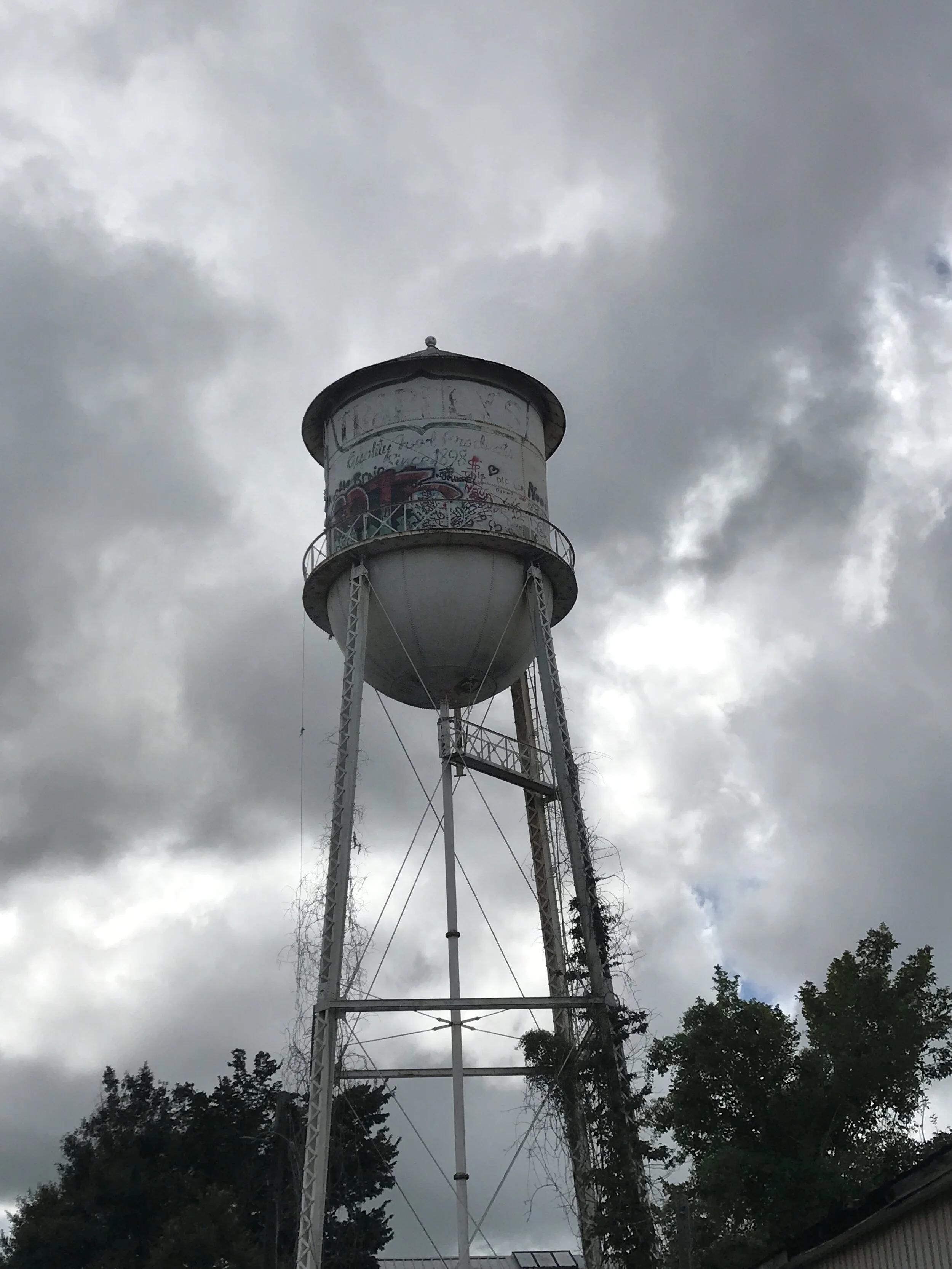
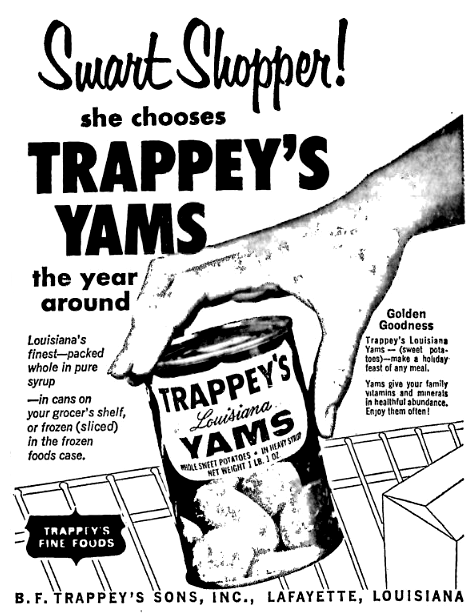
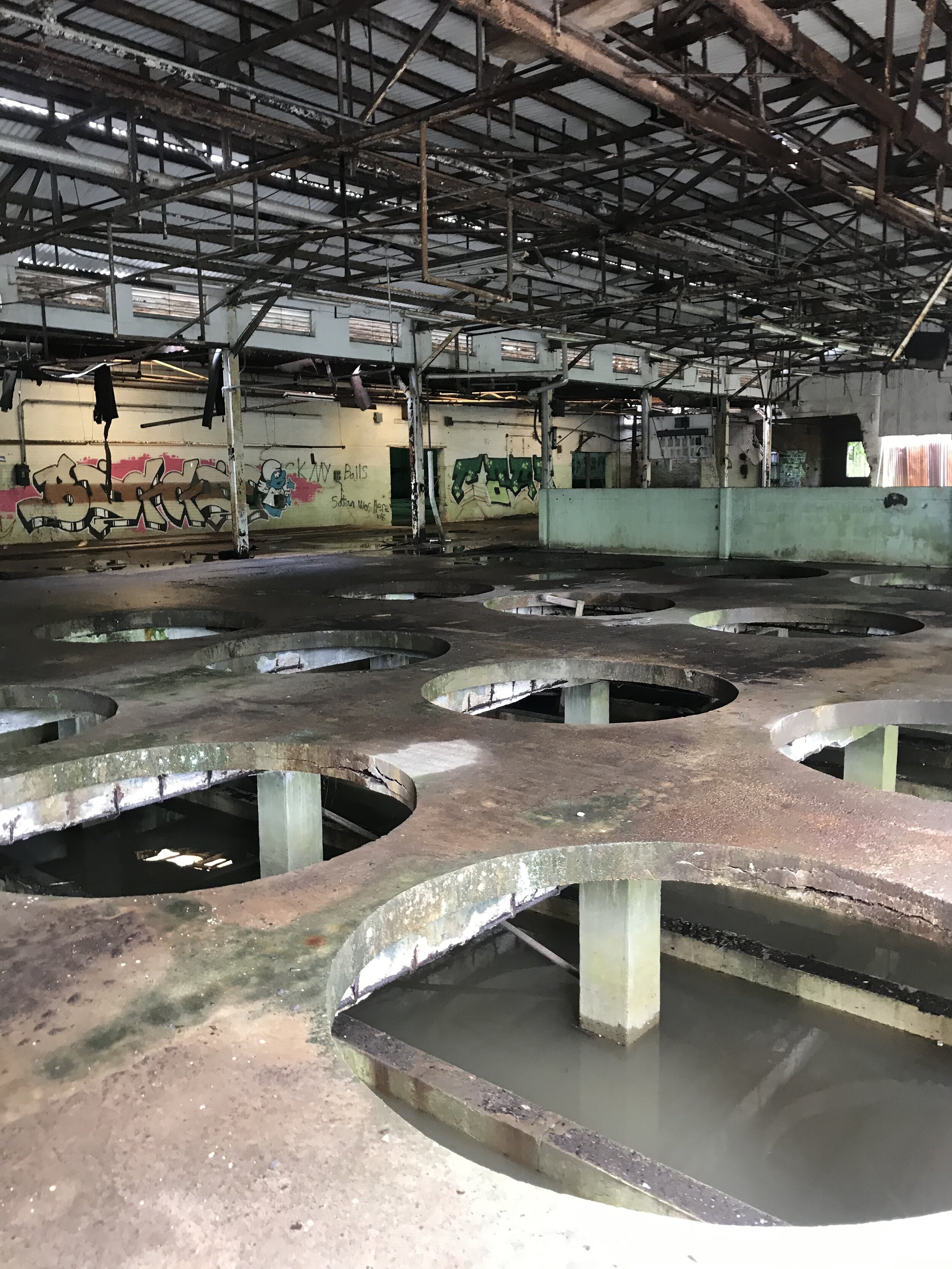
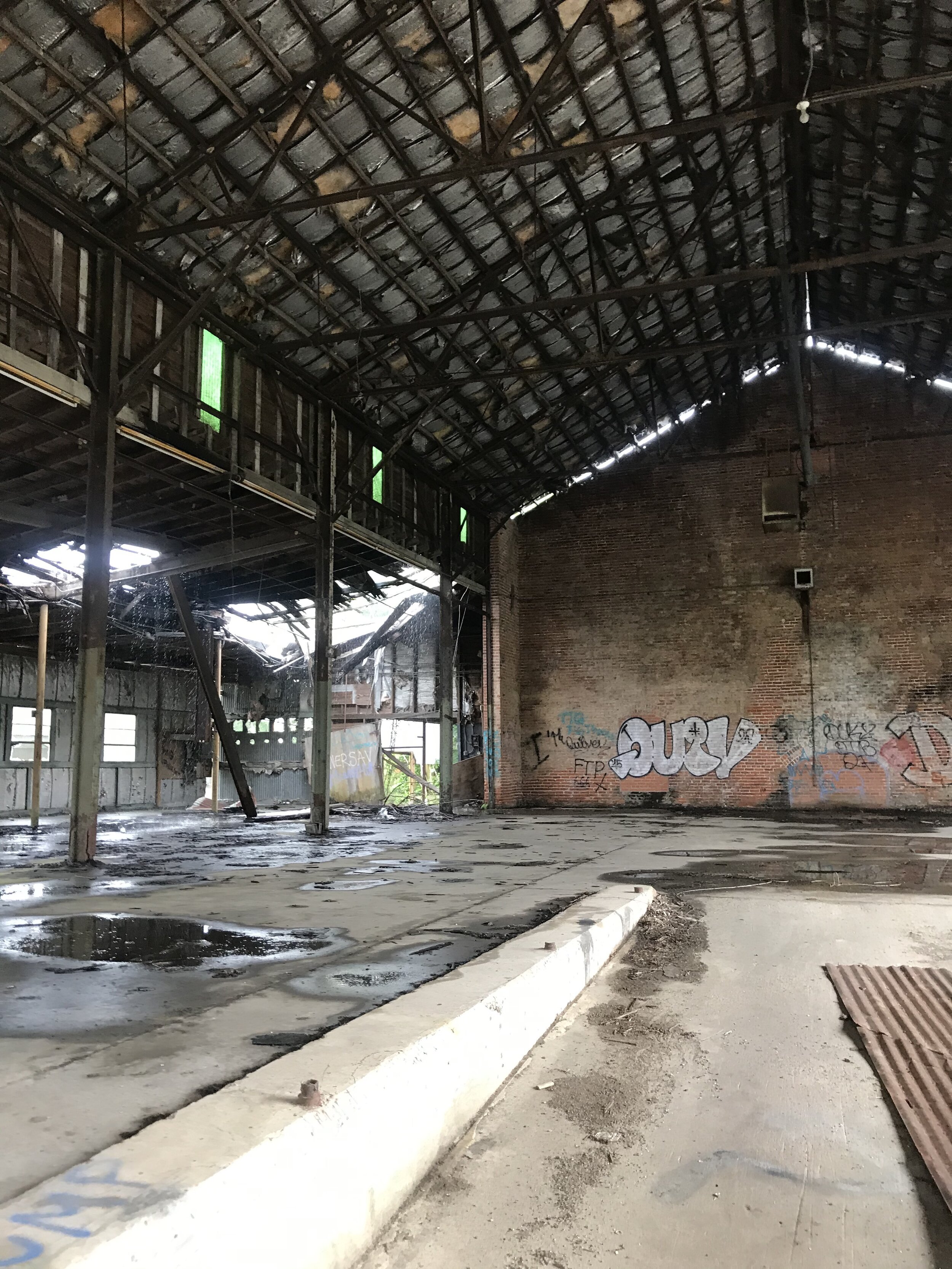
As we start gathering historic photographs and other archives, we welcome anyone who has experience, knowledge, or insight to contact us!
As much information is out there, there is always valuable information from the public! Your stories are not published, and part of this great experience is hearing directly from people who know the buildings, the families, the sites, the stories!
Looking forward to this nomination process!
Voyage à La Nouvelle-Orléans (22 Fev 1848- 7 Mai 1851): The Incredible Sketchbooks of Gaston de Pontalba
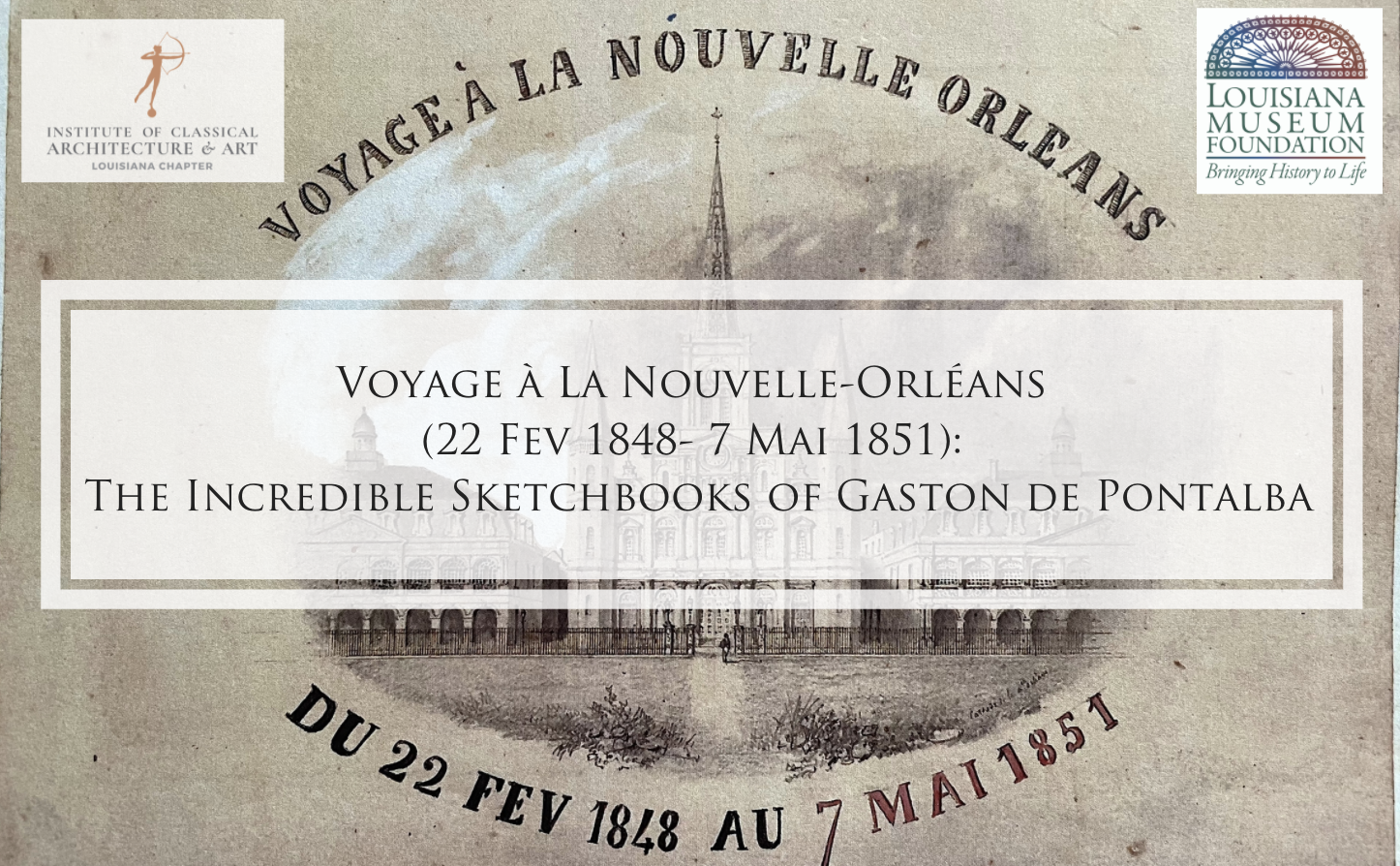
One of my favorite committees that I serve on is the Special Events Committee of the Institute of Classical Architecture & Art - Louisiana Chapter. I and my other committee members host seasonal virtual lectures to our members and beyond, in hopes that people will gather to appreciate what the classical world can teach us today. In May 2021, we hosted, “Voyage à La Nouvelle-Orléans (22 Fev 1848- 7 Mai 1851): The Incredible Sketchbooks of Gaston de Pontalba” with my dear friend Pierre de Pontalba discussing his ancestor Gaston de Pontalba’s sketchbooks from mid-19th century New Orleans and its environs.

While he was a prolific and talented artist, this talk focused on Gaston de Pontalba’s most important sketchbook. Comparing it with the development of Louisiana today, his drawings make us appreciate the beauty he saw and Louisiana's architectural and cultural heritage in the mid-19th century.
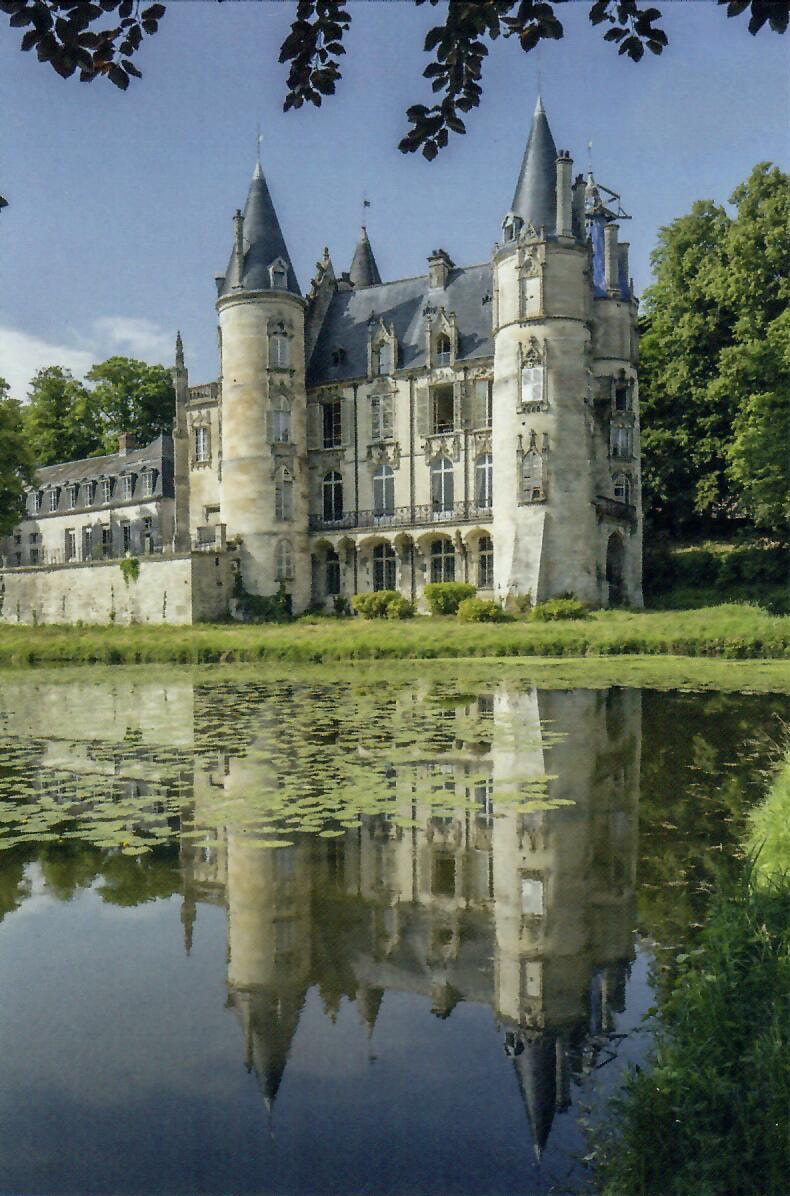
Co-sponsored by the LA Chapter of the Institute of Classical Architecture & Art and the Louisiana Museum Foundation. Pierre de Pontalba was interviewed by Louisiana Museum Foundation (LMF) Executive Director Susan Maclay. The LMF initiated the New Orleans Tricentennial Exhibition, The Baroness de Pontalba and The Rise of Jackson Square at the Cabildo, and hosted Pierre’s parents, the Baron and Baroness de Pontalba and family members, for the LMF Founders Ball in December 2018. Pierre was interviewed from the family's Château de Mont-l’Évêque, the Pontalba family home since about 1805.
In 1848, Gaston de Pontalba (1821-1875), a son of Micaela Almonester, Baroness de Pontalba (1795-1874), accompanied his mother on a “Voyage à La Nouvelle-Orléans from 1848 to 1851." Gaston sketched scenes of his trip from Europe to Philadelphia, to New Orleans, Madisonville and back. Three generations later, Gaston’s great-nephew, Pierre, the family historian, will discuss this incredible sketchbook, and the Baroness de Pontalba’s enduring contribution to the city—the Pontalba townhouses (today referred to as apartments), which she designed and oversaw the building of on that trip. It was her father Don Andrés Almonester, who provided the funding to rebuild St. Louis Church (now known as St. Louis Cathedral), the Cabildo and Presbytère after the 1788 fire. Louisiana’s early history has been well-preserved by the Pontalba family. The LMF continues to work closely with this wonderful family in the effort to share this history.
Pierre, and ultimately his family, were reconnected to Louisiana through a chance meeting at his family’s home with Peter Patout, Historic Property Realtor and ICAA of Louisiana Founding Board Member. While visiting the area some eight years ago, he suddenly recognized Senlis, the town near the Pontalba family château. Peter, being an avid student of Louisiana history and fan of Christina Vella’s acclaimed book, Intimate Enemies: The Two Worlds of the Baroness de Pontalba, knew more about the Pontalba family legacy than then 19 year-old Pierre. After meeting Pierre, Peter taunted him that he couldn’t talk to him unless he read Vella’s book. Pierre accepted the challenge!
Peter’s friendship blossomed to include the Pontalba family and as Pierre’s interest in his heritage grew, Peter organized New Orleans trips for Pierre to review Pontalba related archival materials through the Louisiana State Museum, and to take in the city’s notable sights, which fortuitously included the West Bank Hurricane Protection system, featuring the world’s largest pumping station.
There, Pierre & Peter both met Susan, who was then President of the Board of Commissioners for the Southeast Louisiana Flood Protection Authority-West, and importantly, the Executive Director of the Louisiana Museum Foundation.
Susan then had the foresight to invite the Baron and Baroness de Pontalba to be guests of honor at the inaugural Founders Ball to celebrate the Tricentennial of New Orleans in 2018. Thereafter, along with artist Andrew Lamar Hopkins, Susan and Peter came to the conclusion that an exhibit should be considered in connection with the forthcoming Founders Ball and the city’s Tricentennial.

Speaker: Pierre de Pontalba's Biography
Pierre de Pontalba (born 1992) is the fourth-great grandson of Micaela Almonester, Baroness de Pontalba, and the third-great grandnephew of Gaston de Pontalba. He took an interest in his family’s history and its connection to Louisiana through the archives of Mont-l’Évêque, France and through numerous New Orleans trips in recent years organized by Peter.
He has since become the family’s archivist and historian. Pierre studied Political Science and Modern Literature at the Institute Albert Le Grand, and a fourth year of study of Political Science at University Paris. He recently earned an MBA in Economic Intelligence at the École de Guerre Economique, a school dedicated to competitive intelligence.
Pierre continues to delve further into historical research of his family’s archive.
Interviewer: Susan Maclay's Biography
Susan H. Maclay is the Executive Director of the Louisiana Museum Foundation, a nonprofit organization that supports the museums and collections of the Louisiana State Museum (LSM) system.
Projects in which Maclay was instrumental were: The Baroness de Pontalba and the Rise of Jackson Square exhibition (Cabildo, 2018), and the period costumed-opening, with special guests Charles-Edouard and Isabel, the current Baron and Baroness de Pontalba. She was also instrumental in “Chasing the Butterfly Man: The Search for a Lost New Orleans Cabinetmaker, 1810 -1825” exhibition and catalogue (Cabildo, 2019), curated by PhD candidate Cybèle Gontar.
Currently, Maclay is working with Gontar to bring A Century on Harmony Street: The Kohlmaier Cabinetmakers of New Orleans exhibition and catalogue to the Cabildo (September 2021), and is working with LSM curator Wayne Phillips to bring Rex: The 150th Anniversary of the School of Design exhibition to the Presbytère (January 2022).
Maclay holds a Bachelor of Arts Degree in History and Political Science and earned her Master’s Degree of Public Administration at the University of Southern California. She also served for over 10 years as president of one of the post-Katrina reform New Orleans area levee boards.
About Louisiana Museum Foundation
The LMF’s mission is to bring Louisiana's rich history and culture to life through support for the collections, exhibitions and educational programming of the Louisiana State Museum system. Donations, memberships and grants fund LMF’s work. Visit the LMF online and follow on social media!
About Institute of Classical Architecture & Art - Louisiana Chapter
The ICAA-LA's mission is to advance the appreciation and manifest the principles of classical and traditional architecture and its allied arts by engaging practitioners, students, educators, and architecture enthusiasts of Louisiana.
From lectures and book signings by leading proponents, learned historians, historic tours, and continuing our workshops such as today’s exploring the methods and discipline of the Beaux Arts Cannons, the Louisiana Chapter will continue to share and demonstrate the beauty and structure of those principles which form the foundation of our amazing and culturally responsive Architecture and Art.
We share these educational offerings through email (info@kevinharrisarchitect.com), Facebook (@ICAALA) and our website (www.classicist-la.org). Please visit us to become more familiar with our past and future events and to learn more about becoming a member of ICAA-LA.
Watch/share the video on the Institute of Architecture & Art - Louisiana Chapter’s YouTube page!
The Baroness de Pontalba & the Rise of Jackson Square
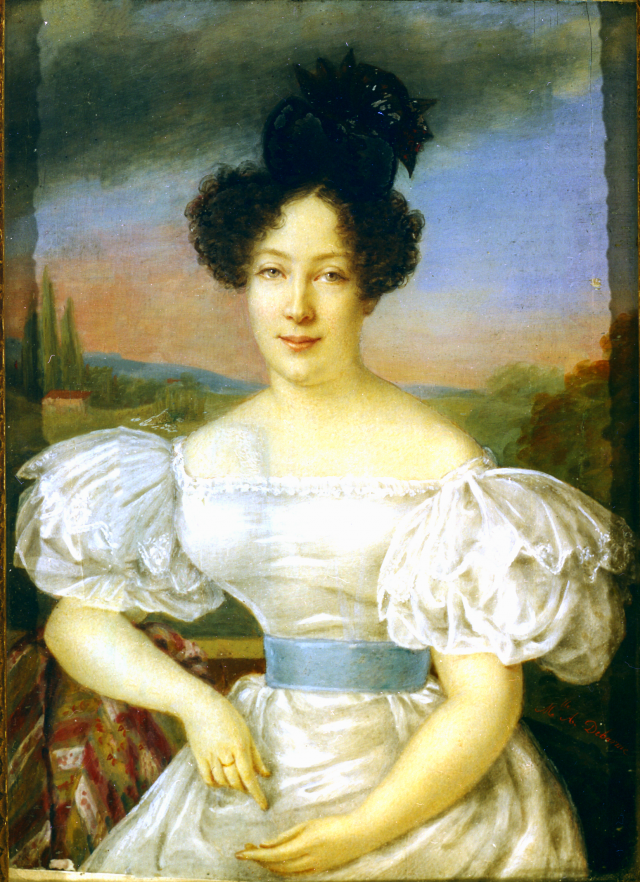
I am thrilled to offer you early ticket access to the Louisiana Museum’s Founders Ball & Exhibition Opening at the Cabildo. This is one for the history books! The story of the New Orleans’ iconic urban core: Jackson Square, St. Louis Cathedral, the Cabildo, the Presbytère,and the twin Pontalba Buildings - Upper Pontalba Apartments shown all relates to Micaela Almonester, Baroness de Pontalba.
WHO:
Kelly Calhoun, MPS - Committee member of the Louisian Museum Foundation
WHAT:
NOLA Tricentennial Finale (1718-2018) hosted by LMF:
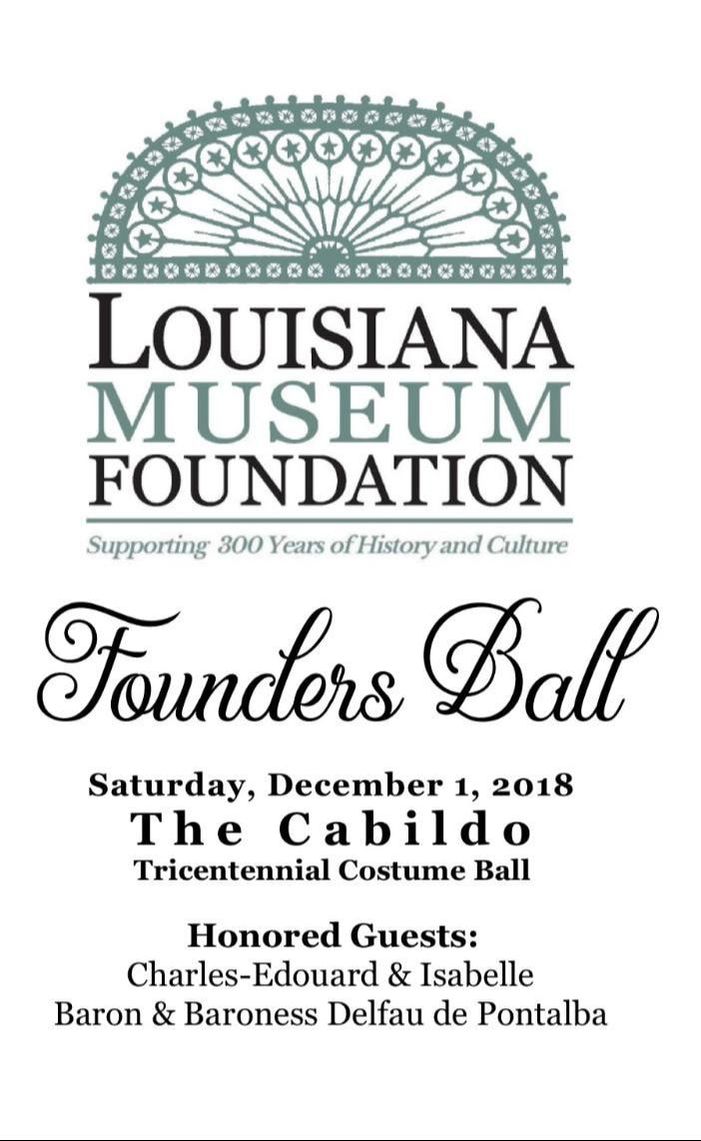
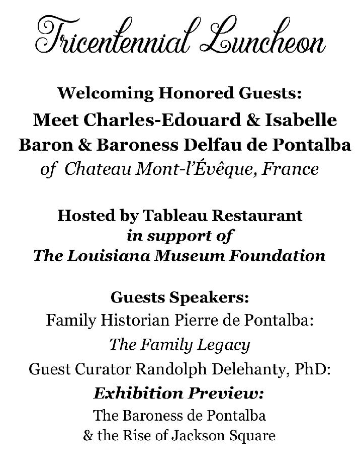
Tableau Luncheon + The Founders Ball + Exhibition Opening.
WHEN:
The Luncheon: Friday, November 20, 2018
The Founder’s Ball: Saturday, December 1, 2018
The Exhibition Opening: Sunday, December 2, 2018
WHERE:
The Luncheon: Tableau, French Quarter, 616 St. Peter Street, New Orleans
The Founder’s Ball & Exhibition Opening: The Cabildo, Jackson Square, French Quarter, New Orleans
WHY:
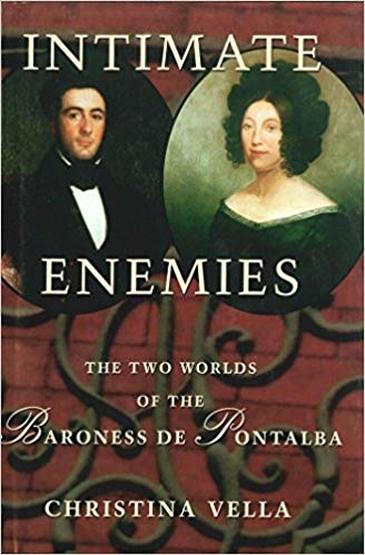
To understand New Orleans through the lense of Jackson Square, there is no other comparable story than that of Micaela Almonester, Baroness de Pontalba. Considering her hardships and her influential benefactions to Jackson Square, detailed in Christina Vella’s Pulitzer-Prize nominated biography Intimate Enemies, this exhibition is long overdue in her honor, as well as in the honor of her descendants', who have travelled across the Atlantic from Mont l'Évêque -theri family chateau - to attend this Exhibition Opening and the Founders Ball, hosted by the Louisiana Museum Foundation.
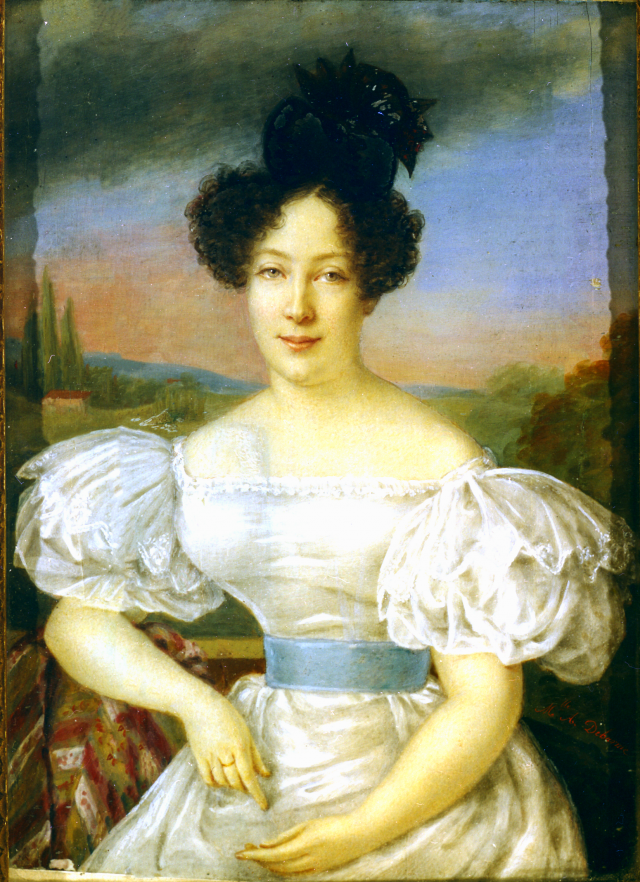
Born in New Orleans on November 6, 1795, Micaela's father was one of the city's biggest benefactors, Don Andres Almonester y Rojas. She endures as one of the most recalled and dynamic personalities in New Orleans' history, though she lived most of her life in Paris or the Pontalba estate at Mont l'Évêque, Senlis.
Her arranged marriage to the son of the first Baron de Pontalba of France under the Napoleonic order came to a disastrous scene when her father-in-law attempted to assassinate her life over financial disagreements. She survived - he didn't.
Micaela said goodbye to Paris and threw herself into exercising her savvy head-for-business and real estate back home in New Orleans and into Jackson Square. Her descendents, the current Baron and Baroness de Pontalba (Charles-Edouard & Isabelle), and their son (my new friend) the sobriquet family historian/archivist Pierre de Pontalba have expressed enthusiastic interest in their ancester and their New Orleans roots. Indeed, this exhibition honors Micaela's contributions to New Orleans, but it also pays homage to their remarkable family history.
It would be the highest honor for my friends to support this event by coming to the Tableau Luncheon, the Founder’s Ball or the Exhibition opening (or all three) that my network has worked so hard to bring to New Orleans.
I'm fortunatute that Peter Patout - "the man who started it all" - involved me a year-and-a-half ago to be part of this history-making Tricentennial exhibition at the Louisiana State Museum.
- Kelly Calhoun, November 8, 2018

WOMEN'S POWER HOUR: Happy Hour + Raffle + Films + Panel Discussion
We're hosting a soiree, and you should come!

WHEN
Friday, August 24, 2018
3-5p: Happy hour + raffle
5-6p: Films focused on female architects and designers
6-6:30p: Panel discussion
WHERE
The Broad Theater
636 N Broad Ave, New Orleans, LA
POWER HOUR SPONSOR
Fidelity Bank POWER
The New Orleans Advocate, Subscribe
FIRST DRINK SPONSOR
DIRTT Enviornmental Solutions
DETAILS
The 3rd annual Architecture & Design Film Fest: New Orleans presents WOMEN'S POWER HOUR - Empowering women, networking professionals and educating the public on women’s compelling works in architecture and design.
Open to men and women alike.
FILMS
A series of short films featuring:
1.) BARBARA SATUFFACHER SOLOMON: VISIONS NOT PREVIOUSLY SEEN :: The graphic artist fused Swiss modernism with an iconic and bold California pop aesthetic to create the design phenomena known as Supergraphics. (15 MIN)
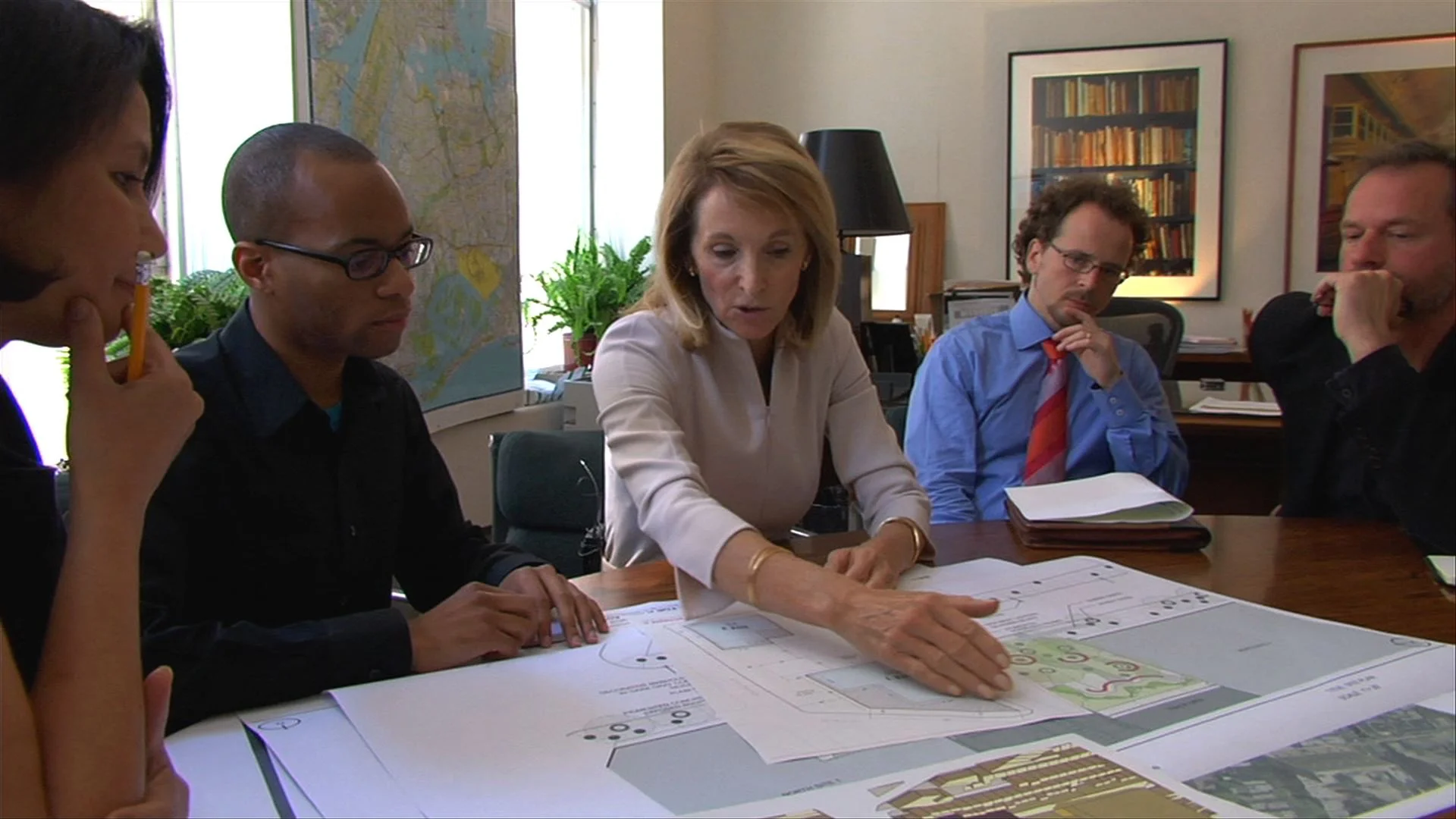
2.) UNKNOWN NEW YORK - THE CITY THAT WOMEN BUILT :: Reveals the secrets of this once-anonymous city, introducing us to the women of Gotham whose legacy envelops us today. (19 MIN)
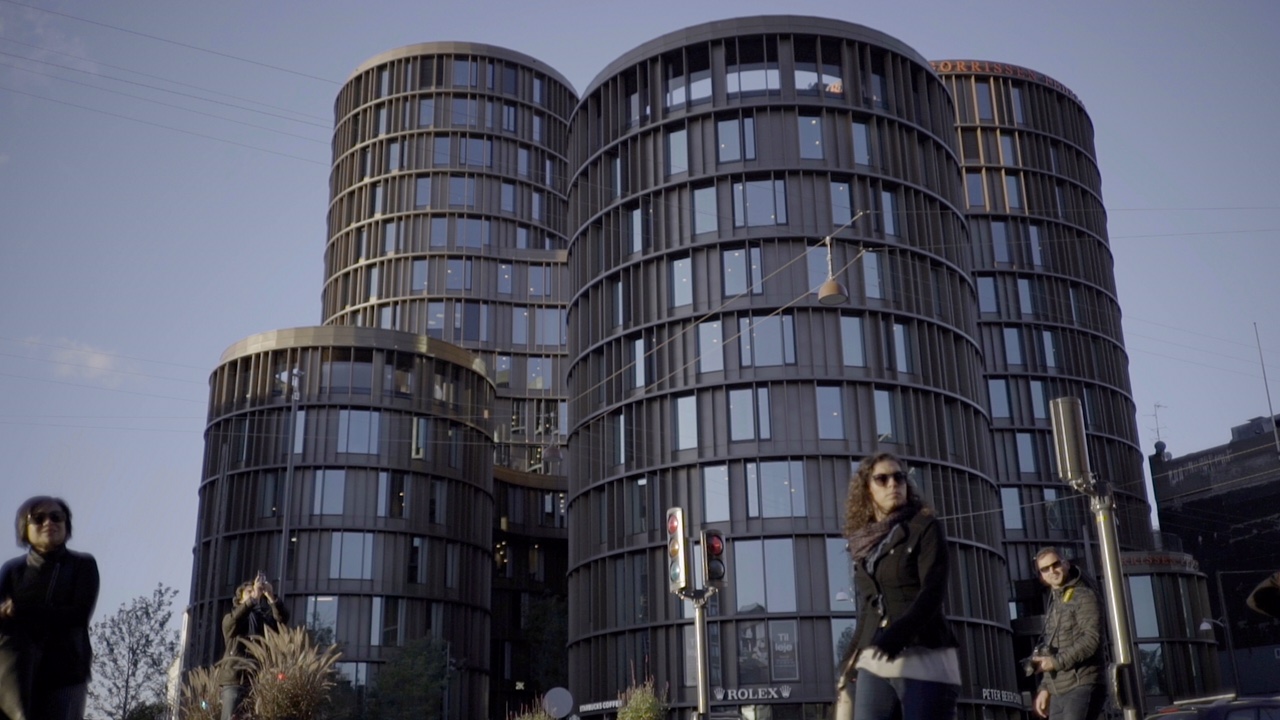
3.) THE FIVE CIRCLES :: Led by a woman-head architecture firm, depicts the construction of a spectacular building in the center of Copenhagen, and breaking bounds of creative freedom. (34 MIN)

PANEL DISCUSSION
How have you paved your path in your field? What methods have been effective again challenges? What innovations are you excited about? How have you kept excited about your career? What advice do you give women?
DR. AMANDA GARCIA, Director of Digital Design and Professor of Practice at the Tulane School of Professional Advancement. Ph.D. in Curriculum & Instruction with a research focus on Socially Responsible Design in Higher Education.
KELLY LONGWELL, Director at Coats|Rose Attorneys. She concentrates in the areas of real estate, affordable housing and taxation.
MARIANNE GRAFFAM, NCARB, LEED AP BD+C, EDAC, Architect at Sizeler Thompson Brown Architects. City organizer for PechaKucha nights in New Orleans, and hosts inspirational speaker events around the cityPaula Peer, AIA, NCARB.
URSULA EMERY MCCLURE, FAAR, AIA, LEED AP BD+C, Architect at emerymcclure architecture. A. Hays Town Professor in the LSU School of Architecture. Named on List of “13 Innovative Female Architects Around the World”




RAFFLE
While a ticket is required for admission to the films + panel discussion, the raffle is open to the public. Raffle slips may be purchased during happy hour, 3-5pm. Drink, slip, and enjoy a happy hour among your peers.
First drink FREE thanks to our First Drink Sponsor: DIRTT Environmental Solutions

CO-HOSTS



ABOUT:
ARCHITECTURE & DESIGN FILM FESTIVAL: NEW ORLEANS
& WOMEN'S POWER HOUR
Author: Kelly L. Calhoun, MPS, LREC
HOW ADFF CAME TO LOUISIANA
Three years ago, while completing my Master of Preservation Studies (MPS) degree at Tulane University, Stacey Pfingsten, newly appointed Executive Director of AIA Louisiana's advocacy organization, Louisiana Architecture Foundation (LAF), hired me as her intern. It is astonishing that Stacey is new to this role. In her four years in New Orleans, she has met nearly the majority of architects, historic preservationists and designers in the region, not to mention countless business owners and directors. Vivacious and all tuned-in, Stacey had big dreams for LAF, and I was her first teammember.
Stacey wanted LAF to break grounds of common advocacy events, to host an event never-before seen in this part of Louisiana. She was then inspired to the idea that LAF could host the nationally-acclaimed Architecture & Design Film Festival here in Louisiana. ADFF, head-quartertered in New York, had collected large crowds in many other U.S. cities along the west coast, east coast and midwest, but it had not yet been hosted anywhere in the southeast/Gulf Coast region. Stacey realized that this was LAF's opportunity to host an event that would bring large-scale attention to the organization and the region.
We are now entering the 3rd annual Architecture & Design Film Festival: New Orleans.
HOW THE WOMEN'S POWER HOUR PROGRESSED
Each year, the ADFF:NOLA board aspires to improve the films lineup, speakers and special events in hopes that we continually make this event one that people enjoy coming to.
The Women's Power Hour emerged from the ideas of its 5 hosts: Louisiana Architecture Foundation, Calhoun Preservation, Designing Women of Acadiana, AIGA New Orleans and Women in Architecture, New Orleans.
What began as a happy hour, grew into a multi-faceted event that includes a first-drink sponsor, raffle of 10 art and designs from local artisans, 3 short films dedicated to women in design and a panel discussion with 4 panelists: successful and influential women in the field.
What is the festival about? From the words of ADFF, "With a curated selection of films, events and panel discussions, ADFF creates an opportunity to entertain, engage and educate all types of people who are excited about architecture and design."
I dedicate this blog to Stacey Pfingsten, who is prime example of the power that women have in this industry. She creates a world you want to be in and makes a difference. This unique festival could not have happened without the hard work, dedication and endless hours Stacey Pfingsten has spent delegating, taking meetings, editing, planning and negotiating to make this festival work in New Orleans.

Calling Volunteer Surveyors for the Hammond Central Historic Structures Survey

Call to professional or student preservationists, architectural historians or architects wanting to learn how to survey.
The Hammond Central Historic Structures Survey
Documenting approximately 1,400 structures in Hammond, Louisiana - to be added to the Louisiana Historic Structures Inventory.
"WHAT DO WE SURVEY?
There are many facets to documenting architecture for a survey such as this. You may refer to the Louisiana Historic Resources Inventory form for a complete view of recorded factors, but in essence we survey to record what your structure looks like. The surveyor documents window types, architectural style, approximate age, location, building function, etc.
WHY DO WE SURVEY?
We are looking to develop the data garnered through this survey into multiple "heat maps" representing the ages and types of structures. This portion of a larger project is purely to document the look of Hammond at this moment in time for posterity. The historic district will then use that data to determine the path moving forward for historic preservation. First, including more properties in the National Register Historic District will allow those property owners to take advantage of tax credits or grants without any restrictions or requirements for their property should they chose not to take advantage of those funding programs." - More info: http://www.hammondhistoricdistrict.org/hammond-central/
VOLUTEER TO SURVEY
Volunteer as a surveyor for the Hammond Central Historic Structures Survey and learn how surveys are conducted on-site with lead surveyor, Kelly L. Calhoun, MPS: write brief architectural descriptions, photograph buildings, get walking around historic Hammond, LA and work closely with the Hammond Historic District Commission.
If you're interested, please send an email with your contact info to kelly@calhounpreservation.com.
To speak directly with the Hammond Historic District , please email Leah B. Solomon, MPS, Administrative Director, at solomon_lb@hammond.org.
Survey dates are normally Thursdays-Saturdays from 8am-4pm in Hammond, LA.


Quisque iaculis facilisis lacinia. Mauris euismod pellentesque tellus sit amet mollis.